Heart Attack Even With ‘Normal’ Cholesterol at 40? Explained How Low HDL And High Triglycerides Levels Act

Heart Attack Even With ‘Normal’ Cholesterol at 40? Explained How Low HDL And High Triglycerides Levels Act
Doctors warn that focusing only on LDL cholesterol can miss a silent but dangerous risk hiding in routine blood reports.
A heart attack at 40, in a person who was not obese, did not smoke or drink, and had no diabetes — this real case has pushed doctors to flag a critical gap in how cholesterol reports are commonly read. Cardiologists now say that a “normal” LDL level does not guarantee heart safety if triglycerides are high and HDL — the so-called good cholesterol — is low.
According to senior cardiologists, LDL is only one part of the risk puzzle. In the case discussed by doctors, the patient’s LDL cholesterol was just 55 mg/dL — well within the safe range. Yet, he suffered a major heart attack that required an emergency procedure to open blocked arteries.
The hidden danger lay elsewhere. His triglyceride level was 325 mg/dL, far above the safe range, while his HDL level was only 28 mg/dL, which is considered dangerously low. This combination sharply increases cardiovascular risk even when LDL appears controlled.

Doctors emphasise the importance of the triglyceride-to-HDL ratio, calculated by dividing triglycerides by HDL. Ideally, this ratio should be less than 1. Ratios above 4 are considered high risk. In this patient’s case, the ratio crossed 11, a red flag for severe heart disease risk.
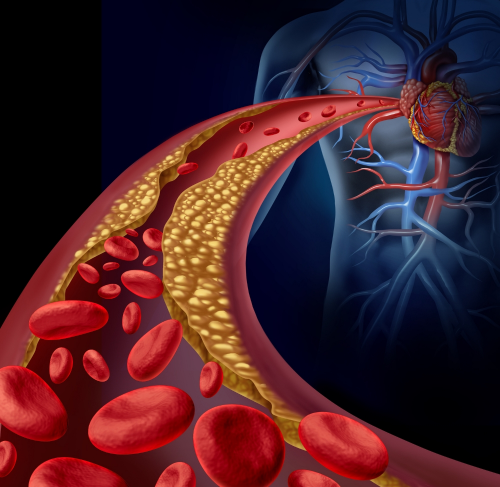
Why is this ratio so dangerous? When triglycerides rise, LDL particles become smaller, denser, and stickier. These altered LDL particles easily penetrate artery walls, oxidise, and form unstable plaques. Such plaques can rupture suddenly, blocking blood flow and triggering a heart attack — even if LDL numbers look “normal” on paper.
High triglyceride-HDL ratios also signal insulin resistance, often a silent precursor to pre-diabetes. In insulin resistance, excess fatty acids are converted into triglycerides, increasing VLDL production and weakening HDL’s ability to clear cholesterol from arteries. This creates a perfect storm for early heart disease.
Doctors say many patients and even routine health check-ups focus only on LDL targets while ignoring HDL and triglycerides. This narrow approach can give a false sense of security.

To lower triglycerides and reduce risk, experts advise cutting down sugar, refined carbohydrates, and processed foods. Alcohol intake should be limited, as it rapidly raises triglyceride levels. Maintaining a healthy weight and exercising daily play a key role in improving HDL and controlling plaque buildup.
While statins effectively lower LDL, they have only a modest impact on triglycerides. In cases of persistently high triglycerides, doctors may prescribe fibrates, omega-3 fatty acids, or niacin, depending on individual risk.
The key takeaway from cardiologists is clear: a cholesterol report must be read as a whole. Good LDL numbers alone do not guarantee protection. HDL, triglycerides, and their ratio can quietly determine whether the heart is truly safe — or silently at risk.
Disclaimer: This article is for general information only and does not substitute professional medical advice. Readers should consult a qualified doctor for diagnosis and treatment.