Hidden Gem Alert: This Hill Station in Maharashtra Has Waterfalls, Wildlife, and Ancient Secrets!
Hidden Gem Alert: This Hill Station in Maharashtra Has Waterfalls, Wildlife, and Ancient Secrets!
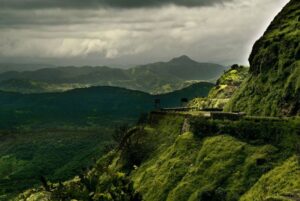
Tucked in the Sahyadri Hills of Maharashtra’s Sindhudurg district, Amboli is a peaceful hill station known for its lush greenery, gushing waterfalls, and rich biodiversity. Often called the “Cherrapunji of Maharashtra” because of its heavy rainfall, Amboli is a perfect escape for nature lovers, photographers, and anyone looking for a quiet break from city life.
Amboli marks the entrance to the Western Ghats, a UNESCO World Heritage site famous for its ecological richness. Sitting at an altitude of around 690 meters above sea level, the hill station is surrounded by thick forests, valleys, and scenic beauty. It offers a calm environment with cool weather, making it a preferred destination for travelers throughout the year.
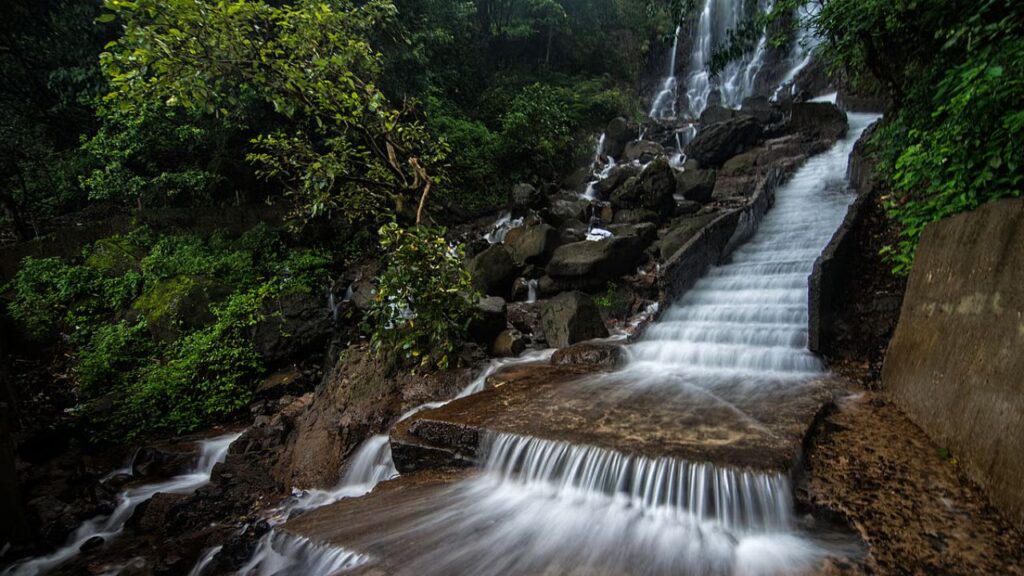
One of Amboli’s biggest attractions is its waterfalls, especially during the monsoon season. The main Amboli Waterfall, which drops from a height of about 300 feet, becomes a major tourist spot in the rains. The constant flow of water, surrounded by mist and greenery, provides a refreshing experience. Nangarta Falls, located around 10 km away, is another popular waterfall, known for its deep drop and echoing sounds. A viewpoint and bridge have been built to help visitors safely enjoy the view.

Rich Biodiversity and Unique Wildlife
Amboli is considered a biodiversity hotspot. Its forests are home to several rare species of plants and animals. The area is especially known for endemic amphibians like the Amboli Toad and the Malabar Gliding Frog. The Amboli Forest Park is a great place to spot birds like sunbirds, bulbuls, and grey hornbills, along with animals such as bison and sambar deer. During the monsoon, herping and photography tours are popular among wildlife enthusiasts and researchers.
A Place with Cultural and Historical Roots
Amboli also carries cultural and mythological significance. According to local legends, Lord Parashuram, one of Lord Vishnu’s avatars, is believed to have performed penance in this region. The Hiranyakeshi Temple, dedicated to Goddess Parvati, is located near a cave from which the Hiranyakeshi River flows. The temple offers a peaceful experience and draws visitors for both religious and nature-related reasons.
Amboli also played a role in history as a stop on the old Vengurla-Belgaum trade route during British rule. In the 1880s, British officials developed it into a hill station. The ruins of the Sawant Bhonsle dynasty’s summer residence still stand, echoing stories from the past.
Local Culture and Food
The local culture in Amboli is rooted in the vibrant Konkani traditions. Visitors can enjoy Malvani cuisine, especially seafood dishes and spicy curries. Konkani thalis, kokum drinks, and coastal-style biryanis are available at local eateries like Snappers and ABC Biryani. The annual Amboli Monsoon Festival celebrates this cultural richness through food, music, and guided nature trails.
Visiting Amboli
Amboli is well-connected by road and rail. The nearest railway station is Sawantwadi Road, around 40 km away. By air, travelers can reach it via Belgaum Airport (80 km) or Goa’s Dabolim Airport (105 km). Accommodation ranges from resorts like Amboli Hill Resort to simple hotels and homestays with local families.
The best time to visit Amboli is during the monsoon (June to September), when the region is at its greenest. However, the winter months from October to February are also pleasant and ideal for sightseeing.