How to Turn Your Balcony into a Safe Haven for Urban Birds with Food, Water, Plants, and Nesting Spots
How to Turn Your Balcony into a Safe Haven for Urban Birds with Food, Water, Plants, and Nesting Spots
Sometimes, the simple joy of hearing birds chirp just outside your window can make city life feel a little brighter. Balconies, often overlooked, have the potential to become small urban sanctuaries for sparrows, finches, bulbuls, and other tiny feathered visitors. By offering food, water, shelter, and calm spaces, you can turn your balcony into a welcoming spot that birds notice and return to regularly.
Offer the Right Food to Draw Birds In
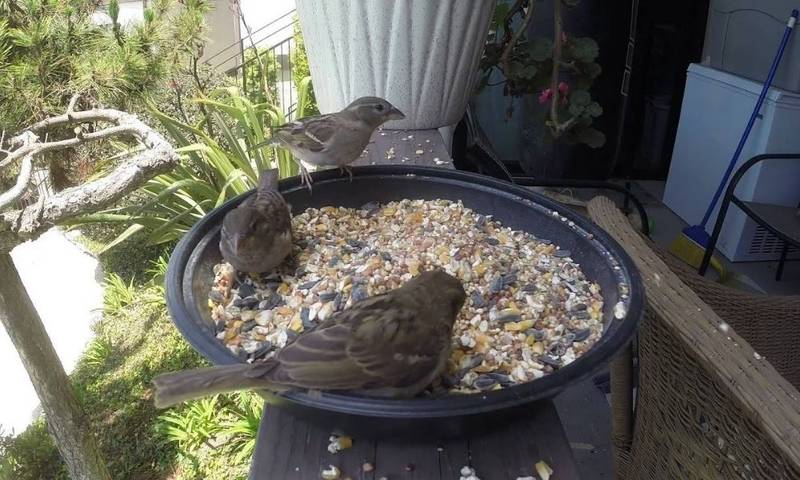
Food is the most powerful way to catch a bird’s attention. Small city birds are attracted to natural grains, seeds, and fruits. Setting up feeding stations or shallow bowls filled with millet, wheat, safflower seeds, or unsalted sunflower seeds can make your balcony irresistible. During colder months, suet or fat balls provide extra energy. Avoid bread and processed foods, which are nutritionally poor and can harm birds.

Quick feeding tips:
Millet and wheat grains – perfect for sparrows.
Sunflower seeds – high in energy and widely loved.
Suet or fat balls – useful in winter.
Skip bread or salty snacks – they can be harmful.
Provide Clean Water
Birds need water as much as food. A shallow bowl or small birdbath allows them to drink and bathe, which is essential for hydration and feather maintenance.
Water care tips:
Refresh water daily to prevent stagnation.
Place pebbles or small stones in the bowl so tiny birds can perch safely.
Reliable water sources often encourage birds to return repeatedly.
Add Plants and Nectar Sources
Plants provide food, shelter, and attract insects that birds feed on. Nectar-rich flowers like hibiscus and ixora appeal to nectar-feeding birds, while seed-bearing plants such as sunflowers and basil attract seed eaters. Dense foliage and climbing plants offer protection from predators, creating a comfortable environment for resting or nesting.
Plant suggestions:
Sunflowers and marigolds – seeds and insects.
Flowering shrubs – nectar and resting spots.
Climbers and dense foliage – shelter and safety zones.
Create Quiet, Safe Spaces for Birds
Birds are cautious and may avoid areas that feel too busy or exposed. A nest box or a sheltered corner on your balcony can encourage longer stays by offering a sense of security.
Nesting tips:
Place nest boxes 7–8 feet high in shaded areas.
Keep pets and sudden movements away from feeding and nesting zones.
Be Consistent
Urban birds quickly learn where food and water are dependable. Consistency is key to keeping visitors coming back.
Consistency tips:
Refill feeders daily.
Keep the area clean and remove old or moldy seeds that may deter birds or attract pests.
Balconies have the power to become lively, natural spaces, even in the middle of the city. By combining nourishing food, fresh water, greenery, and quiet spots, you can create a sanctuary where sparrows, finches, and bulbuls feel safe and welcome. Over time, your balcony can transform into a small urban oasis, bringing nature’s sights and sounds closer to your everyday life.