Is Sugar Silently Damaging Your Liver? Here’s How to Spot the Early Signs
Is Sugar Silently Damaging Your Liver? Here’s How to Spot the Early Signs
For years, many of us believed that fatty foods were the biggest enemies of our health. But science and nutrition experts now say something surprising, it’s not always fat that causes trouble; it’s the excess carbohydrates and sugars hiding in our everyday meals. From soft drinks and cookies to white bread and pasta, these foods can silently affect one of the most important organs in your body, the liver.
The Changing View on Fats and Carbs
In today’s fast-paced life, people often reach for easy and quick meals, which usually means more carbohydrates and less healthy fats. While fats were once blamed for weight gain and health issues, new understanding shows that not all fats are bad. Healthy fats actually help the body function better, while too many carbs can lead to trouble, especially for your liver.

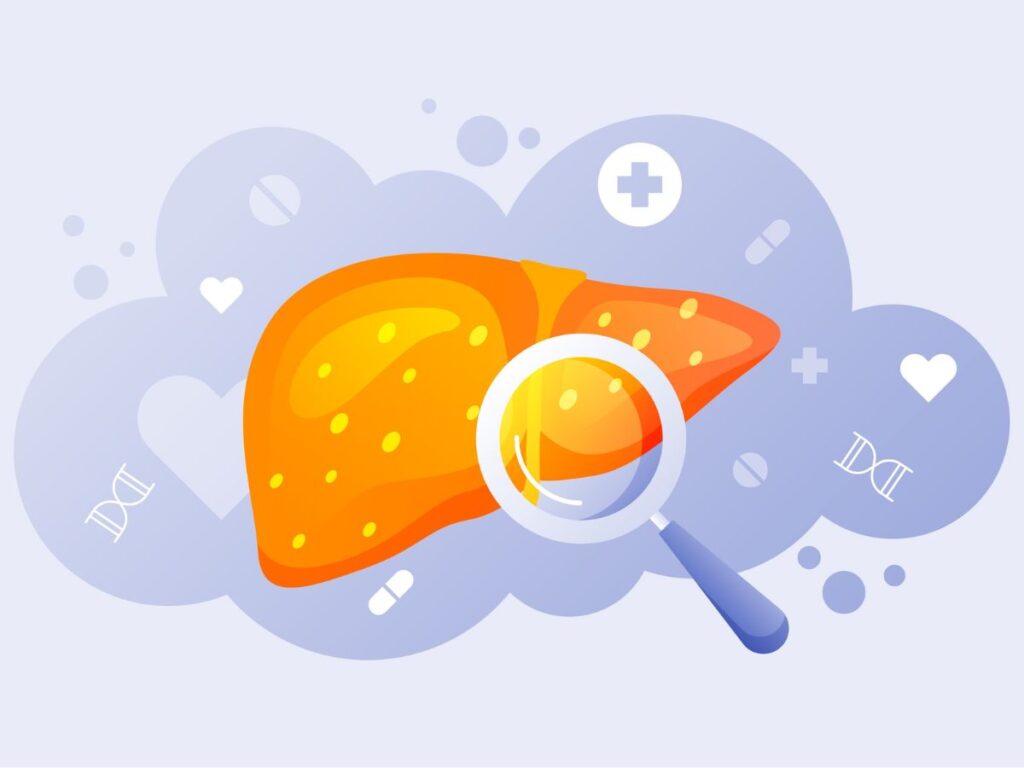
When you eat more carbs than your body needs, the excess sugar gets converted into fat and stored in the liver. Over time, this buildup causes a condition called Non-Alcoholic Fatty Liver Disease (NAFLD), where fat collects inside the liver even if you don’t drink alcohol.
How Sugar Damages the Liver
Sugar, especially in sweet drinks and processed foods, plays a major role in fatty liver. One type of sugar called fructose is mainly processed in the liver. When you eat or drink too much of it, your liver starts turning the extra sugar into fat. This fat begins to accumulate inside liver cells, making it harder for the liver to do its job.
If this continues, the liver becomes inflamed and weak, leading to more serious problems over time. Unlike glucose, which is used by different parts of the body for energy, fructose goes straight to the liver, creating a heavier workload and speeding up fat buildup.
Insulin Resistance and Sugar Spikes
Every time we eat sugary or high-carb foods, our blood sugar levels rise. The pancreas releases insulin to help the body use this sugar for energy. But when sugar levels stay high too often, our cells stop responding properly to insulin, this is called insulin resistance.
Insulin resistance makes it harder for the body to regulate sugar, which means even more fat starts building up in the liver. This not only worsens fatty liver but can also increase the risk of diabetes and other health problems.
Sugar’s Impact Beyond the Liver
Too much sugar doesn’t just harm the liver, it can also upset the balance of good bacteria in the gut. When this balance is disturbed, harmful substances from the gut can reach the liver and cause more damage.
In addition, sugar can trigger oxidative stress, which happens when toxins build up in the body due to factors like alcohol, smoking, or pollution. These toxins damage liver cells, cause inflammation, and make it even harder for the liver to heal.
What Happens If Fatty Liver Is Ignored?
If fatty liver is left untreated, it can slowly worsen. In the early stage, called Grade 1, fat builds up but doesn’t yet cause major harm. In Grade 2, inflammation starts and the liver becomes more damaged. Over time, this can lead to liver scarring and more serious diseases.
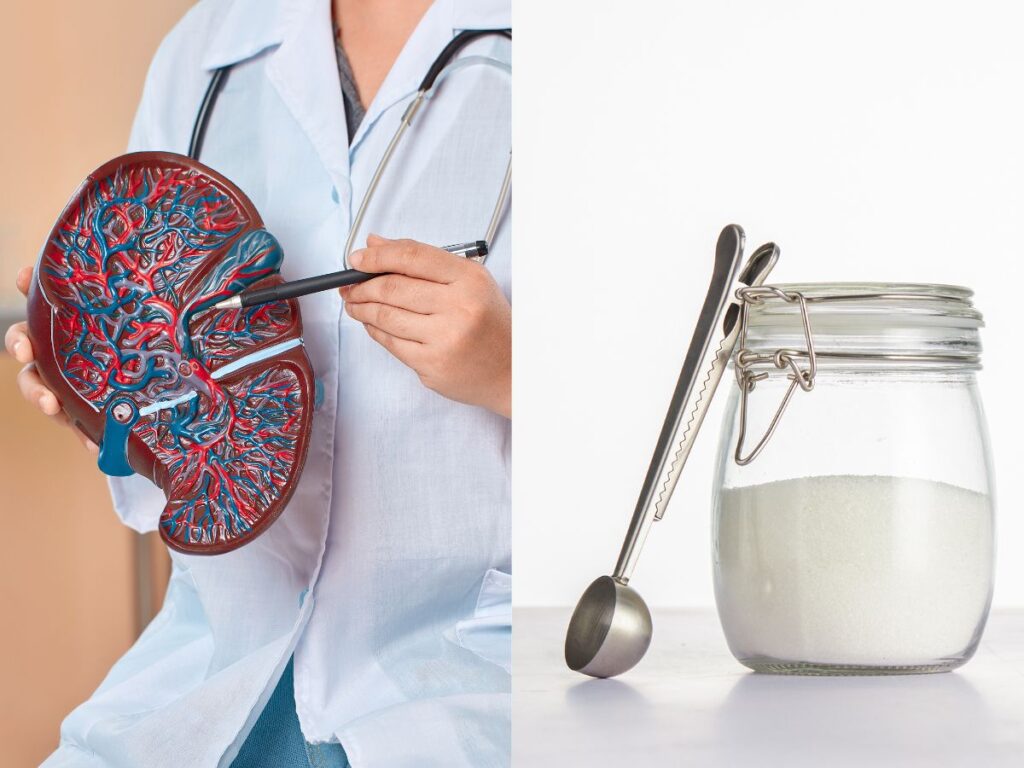
Ignoring the condition can also lead to other health issues such as high cholesterol, metabolic syndrome, polycystic ovary syndrome (PCOS), type 2 diabetes, thyroid problems, and even sleep apnea.
How to Reverse Fatty Liver Naturally
The good news? Fatty liver can be reversed with simple lifestyle changes—no heavy medication needed. One of the best options is the Mediterranean diet, which includes foods rich in healthy fats and antioxidants and fewer carbs. This helps reduce fat buildup and keeps the liver working well.
Eating the right fats also helps. Foods like peanuts, avocados, pumpkin seeds, and hazelnuts contain healthy fats that improve insulin levels and prevent excess fat storage.
Losing weight is another key step. Extra body fat leads to extra liver fat, so even a small amount of weight loss can help the liver recover. Limiting alcohol is equally important since regular drinking can add to liver stress and worsen the condition.
Your liver works silently every day to keep your body healthy, but it can only do so much. Overeating sugar and processed carbs can slowly harm it without obvious symptoms at first. Making small but steady changes, eating balanced meals, staying active, and cutting back on sugar, can go a long way in keeping your liver strong.
Disclaimer: This article is for general informational purposes only and is not a substitute for professional medical advice, diagnosis, or treatment. Always consult a qualified healthcare provider before making changes to your diet, lifestyle, or treatment plan.