Maharashtra: Konkan Coast Hosts Over 550 Aquatic Species, Study Reveals
Maharashtra: Konkan Coast Hosts Over 550 Aquatic Species, Study Reveals
A study conducted by the Pune-based Ecological Society in collaboration with the Centre for Sustainable Development, Gokhale Institute of Politics and Economics (CSD-GIPE), has identified 550 marine species in Maharashtra’s intertidal zones. The one-year-long “Coastal Project 2.0,” conducted between June 2023 and December 2024, documented 25 undescribed and newly-sighted species, emphasizing the need for species-focused research in the state’s coastal areas.
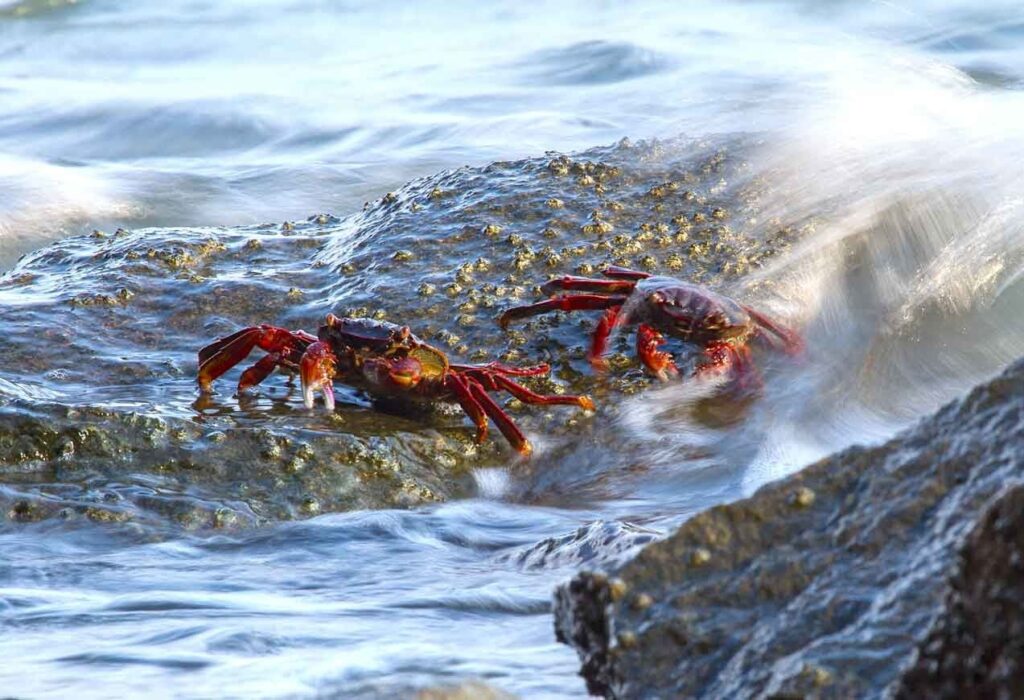
Rare species such as the Sentinel Crab, the white-patched ‘Chhapgar’s Crab,’ and the Bombay Doris Slug were observed. Researchers also recorded previously undescribed slugs believed to belong to the genus Tenellia, sponges, corals, Red Algae Chondria recently documented in India, and the Pulicaris Snail.
The study examined the flora and fauna of the Konkan coast and the social use of natural resources in villages and towns across 25 beaches in Raigad, Ratnagiri, and Sindhudurg districts. The findings were presented during the Sagar Mahotsav program organized by the Aasamant Foundation in Ratnagiri from January 9 to 12.

This research highlights the ecological richness of the Konkan coast and the critical need for deeper studies to understand and preserve the biodiversity of these unique marine ecosystems.
The research team mapped 25 beaches across the Konkan coastal belt, from Mumbai to Sindhudurg, and discovered a diverse range of species, including crabs, corals, and slugs. The study revealed that 20 of the 550 species found are rare, recently discovered in India, or undescribed by scientists.
https://www.theecologicalsociety.org/copy-of-mula-mutha-riverfront
The researchers noted that while the quality and quantity of biodiversity on the shores were seemingly good, with luxuriant patches of mangroves observed at various spots, many coastal zones are heavily contaminated by unregulated tourism, leading to habitat destruction.
The study also highlighted the lack of awareness about biodiversity among the coastal community and tourists, which leads to unknowing damage to the ecosystem. The researchers found that several local flora had been chopped to make space for resort establishments, and many rocky beaches had been flattened for locals and tourists.
The study’s findings have significant implications for conservation efforts and sustainable tourism practices in the region. The researchers plan to request the Maharashtra Tourism Development Corporation to lay guidelines for eco-tourism and conduct grading of the beaches based on biodiversity count. They also plan to approach the environment ministry to highlight the state of the intertidal environment.
Overall, the study provides valuable insights into the rich biodiversity of the Konkan coast and highlights the need for sustainable tourism practices to conserve this fragile ecosystem.