Pune: 6,400+ Residents From Baner Balewadi Shape Citizens’ Manifesto Ahead Of PMC Elections
Pune: 6,400+ Residents From Baner Balewadi Shape Citizens’ Manifesto Ahead Of PMC Elections
Pune: In a significant exercise in participatory democracy, more than 6,400 residents from Baner, Balewadi, Pashan, Sus–Mahalunge, Sutarwadi and Someshwarwadi have contributed to a comprehensive Citizens’ Manifesto, articulating their concerns, expectations and vision for the region ahead of the Pune Municipal Elections 2026.
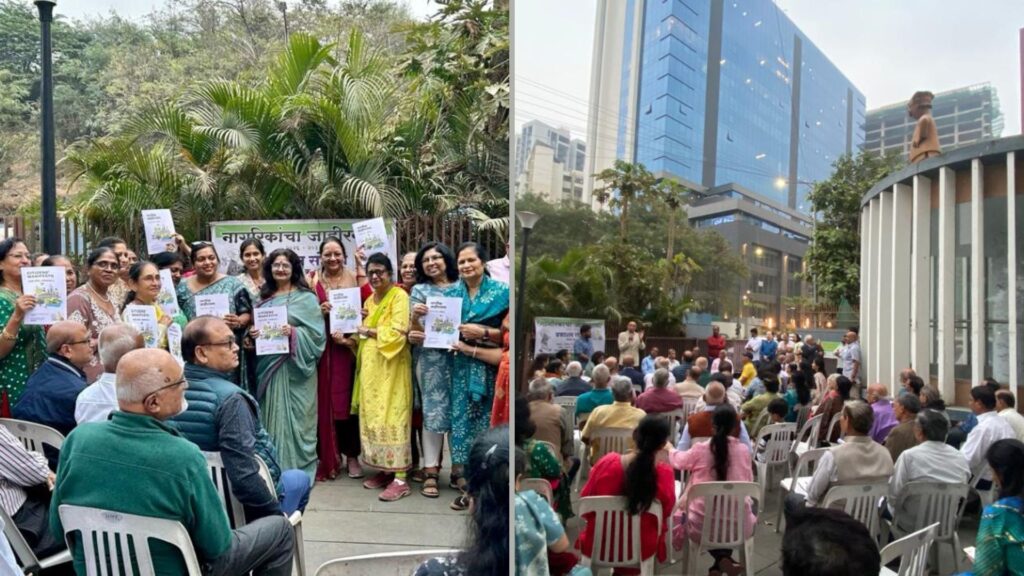
The manifesto is based on extensive on-ground outreach carried out by volunteers who interacted directly with housing societies, shop owners, senior citizens, youth and first-time voters. Instead of making assumptions, volunteers listened to residents, distributed feedback forms and displayed banners across neighbourhoods. The response, organisers said, was overwhelming and reflected a strong desire among citizens to be heard on local governance issues.
According to the document, the participation of over 6,400 citizens goes beyond numbers and highlights growing civic awareness in a fast-paced urban environment. It underscores that residents are deeply engaged with issues affecting their daily lives and the future of their neighbourhoods.

Key civic concerns highlighted by residents include:
* Traffic congestion and unsafe roads
* Repeated road digging and poor coordination between authorities
* Dependence on water tankers
* Loss of trees, hills and green cover
* Pollution, dust and noise
* Lack of continuous footpaths and pedestrian infrastructure
At the same time, residents expressed clear expectations from civic administration and elected representatives. These include clean and reliable infrastructure, transparent and accountable governance, protection of natural assets, safer streets and respectful, continuous engagement with citizens.
As Pune prepares for the 2026 civic polls, the manifesto raises a central question being asked across these localities: *What kind of city do citizens want to live in over the next five years?* For many residents, civic challenges are not abstract policy issues but everyday realities experienced during traffic snarls, water shortages and monsoon-related disruptions.
The Citizens’ Manifesto presents a core vision for the period 2026–2031, aiming to build a liveable, inclusive and green urban region with planned development, reliable infrastructure and active citizen participation in decision-making.
The key principles outlined include:
* People-first governance
* Transparency and accountability
* Sustainable and climate-resilient development
* Equity across villages, slums, housing societies and commercial areas
* Meaningful participation rather than token consultation
The survey also identified strengths that residents believe are worth protecting, such as the area’s strategic location and connectivity, proximity to IT hubs and essential services, improving public transport, remaining green spaces, and a strong sense of community with active resident associations and volunteer groups.
Residents, however, cautioned that continued pride in the area is conditional on infrastructure and governance keeping pace with rapid growth.
Actions demanded by citizens include:
* Strict enforcement to curb pollution
* Protection and expansion of green cover
* Completion of pending roads, bridges and missing links
* Scientific traffic planning with pedestrian-first design
* Assured water supply, drainage and waste management
* Accessible public spaces and stronger civic discipline
The manifesto also outlines the qualities residents expect in their elected representatives, including accessibility throughout the term, a long-term vision, transparency in spending, environmental sensitivity, inclusivity and the courage to act in public interest.
Prepared jointly by the Baner Balewadi Nagrik Manch (BBNM) and the Baner Balewadi Pashan Residents Association (BBPRA), the Citizens’ Manifesto positions itself as both a mirror to current governance gaps and a roadmap for future corporators and political parties seeking public trust.