Rapid Urban Growth Threatens Pune’s Green Shield: Study Shows 34% Drop in CO2 Absorption
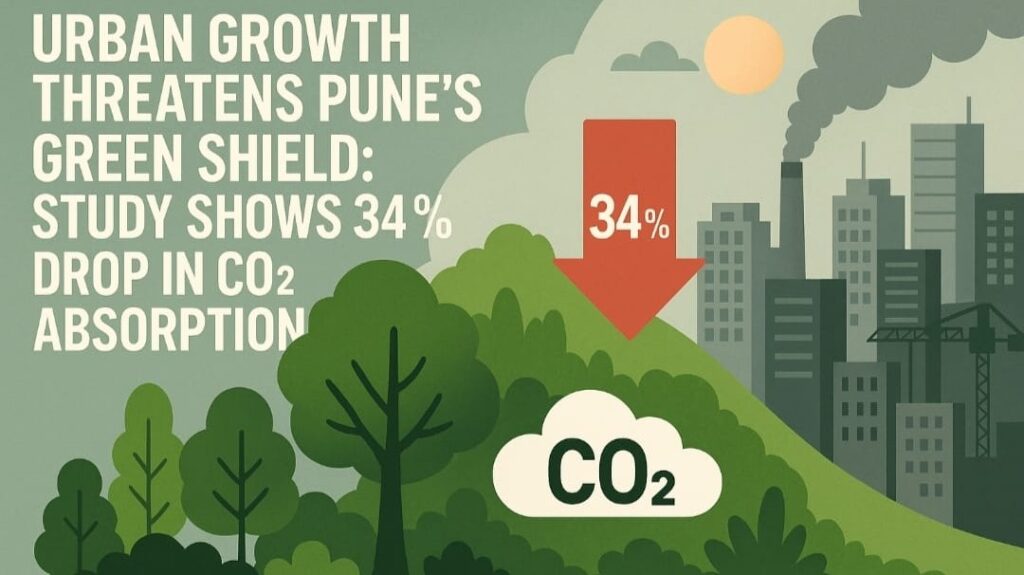
Rapid Urban Growth Threatens Pune’s Green Shield: Study Shows 34% Drop in CO2 Absorption
Pune, once known for its balanced blend of nature and city life, is now facing a harsh reality. A recent study from MIT-World Peace University (MIT-WPU) reveals that the city’s ability to absorb carbon dioxide (CO2) has fallen by a staggering 34% over the past ten years. The reason? Rapid urban expansion that’s come at the cost of its natural landscapes.
The research, led by Dr. Pankaj Koparde in collaboration with sustainability consultant Pratiksha Chalke of Sustaina Greens LLP, takes a closer look at the city’s environmental trajectory between 2013 and 2022. As construction spread and built-up areas expanded by 12%, green zones dwindled — shrinking Pune’s natural capacity to act as a carbon sink and weakening its resilience to environmental threats like flooding.
The study doesn’t just focus on carbon. It also highlights a 13% drop in the city’s flood-mitigation potential, blaming it largely on reckless construction near rivers, on floodplains, and the interruption of vital natural drainage pathways.

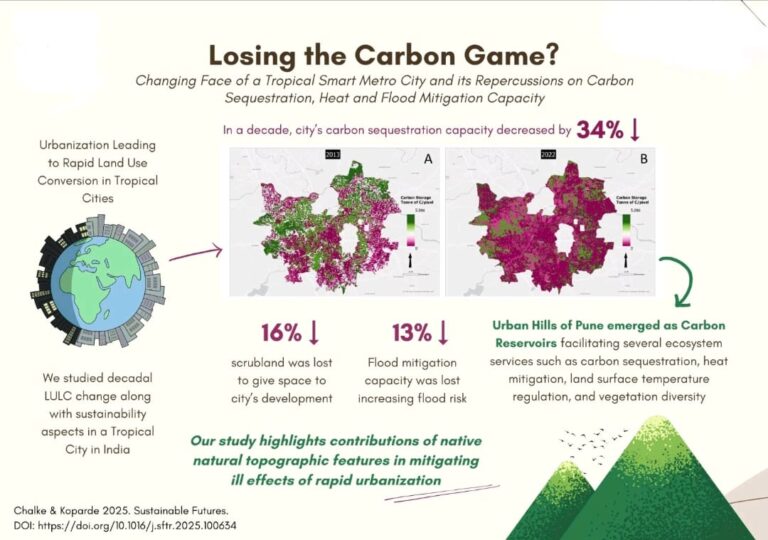
“Features like hills, wetlands, and rivers aren’t just scenic—they’re crucial to the city’s environmental balance,” the study observes. “Sustainable growth in cities like Pune hinges on maintaining these elements, not replacing them with concrete.”
Dr. Koparde points out that these ecosystems have long served as invisible protectors, shielding the city from excessive heat, carbon buildup, and water-related disasters. But continued development without ecological awareness could turn Pune more vulnerable, especially with monsoons becoming increasingly unpredictable.
He stresses the need for action: “We must act now to protect what’s left—reviving hills, restoring wetlands, and keeping green zones along rivers intact. Urban planning needs to evolve, using data-backed tools and models that value nature’s services.”
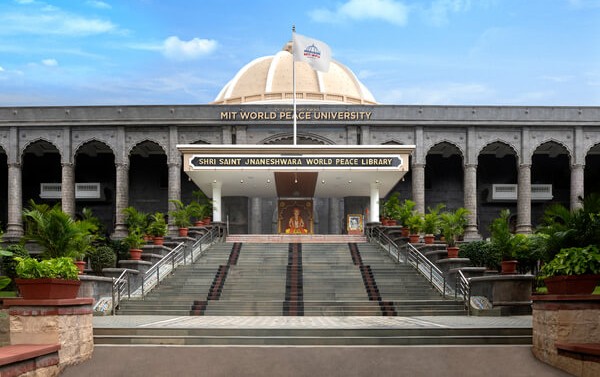
Adding to this, Dr. R.M. Chitnis, Vice Chancellor of MIT-WPU, emphasized the broader impact of the findings: “This isn’t just a local issue—it’s a snapshot of what’s happening across urban India. Development must go hand in hand with sustainability. Science should steer our decisions, and safeguarding the environment should be at the heart of our growth strategies.”
The report, published in the journal Sustainable Futures, serves as a timely reminder for Pune and similar growing cities: when natural ecosystems are sacrificed for short-term expansion, the long-term costs can be severe—affecting everything from climate resilience to public health. As urban skylines continue to rise, experts are clear — the future belongs to cities that learn to grow with nature, not against it.