Should You Add Lemon to Your Dal? Here’s What It Does to Your Body—The Good and the Risky
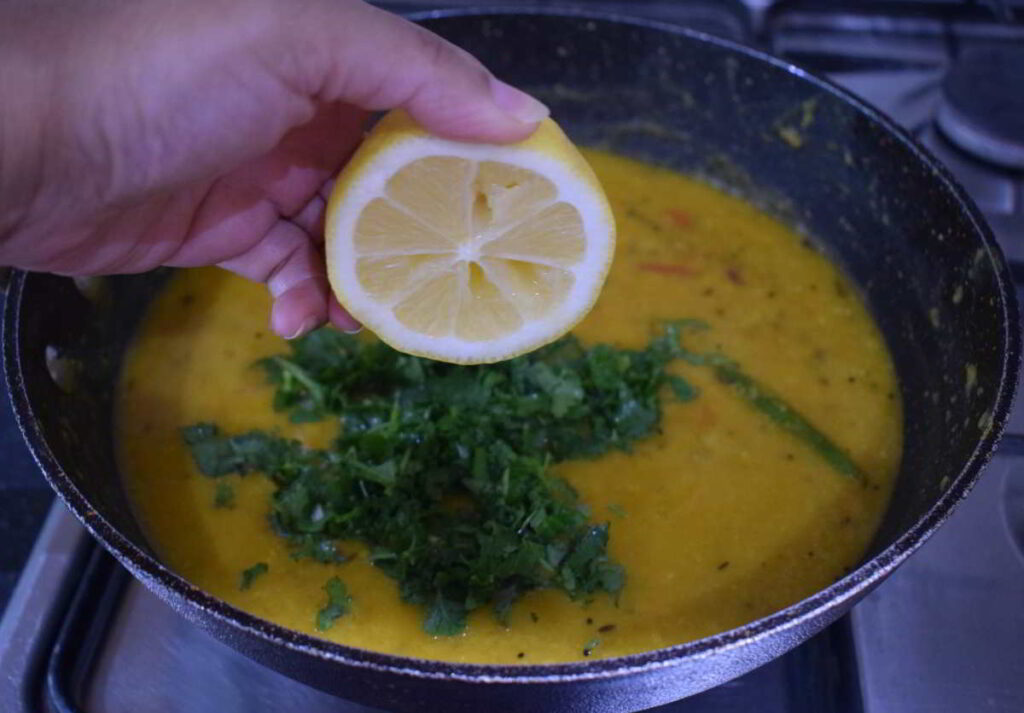
Should You Add Lemon to Your Dal? Here's What It Does to Your Body—The Good and the Risky
In many Indian households, dal isn’t just a dish—it’s part of everyday comfort and tradition. Whether it’s a bowl of warm arhar (pigeon pea), light moong (mung bean), or earthy masoor (red lentil), dal is often the centerpiece of a balanced, home-cooked meal. And while some like it plain, many people enjoy a squeeze of fresh lemon on top to add a zing of flavor. But aside from enhancing taste, does this small addition actually offer any health benefits—or could it come with hidden downsides? Let’s take a deeper look.
Lemon and Dal: A Nutritious Combo
Lemon is widely known for being a powerhouse of Vitamin C, an essential nutrient that boosts immunity, supports skin health, and acts as an antioxidant. When combined with dal, which is naturally rich in plant-based iron, lemon can help your body absorb iron more efficiently. This is especially beneficial for people dealing with iron deficiency or anemia, as Vitamin C plays a key role in enhancing non-heme iron absorption—the type of iron found in plant foods like lentils.

So, adding lemon to your dal doesn’t just improve the flavor—it also makes the meal more nutritionally impactful.
Timing Matters: Don’t Add It Too Hot
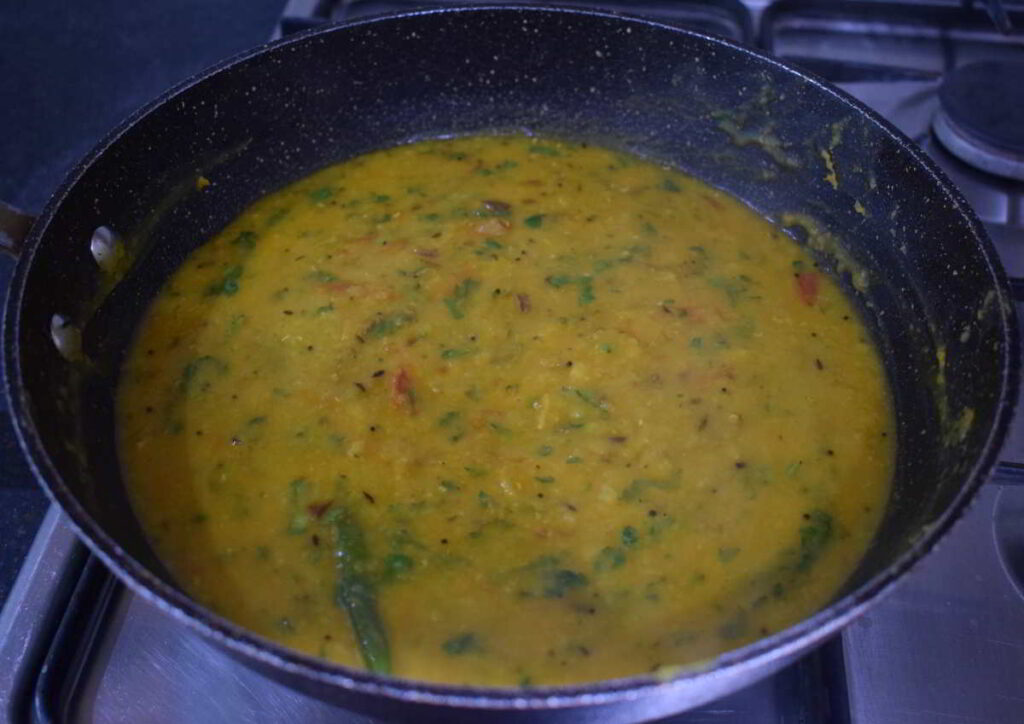
While the idea of squeezing lemon over steaming hot dal might seem tempting, doing so may not be the most effective way to get the full health benefits. Vitamin C is a heat-sensitive nutrient, which means it breaks down when exposed to high temperatures. If you add lemon juice to very hot dal, much of the Vitamin C content could be lost in the process.
To make sure you’re getting all the goodness lemon has to offer, it’s best to wait until the dal cools down slightly—when it’s warm but not scalding hot—before adding lemon. This small tweak helps preserve its nutritional value.
A Word of Caution for Sensitive Stomachs
Despite its health benefits, lemon may not be suitable for everyone. If you’re someone who struggles with acidity, heartburn, or gas, it’s wise to be cautious. Lemon is naturally acidic, and adding it to dal—especially when consumed on an empty stomach—might trigger digestive discomfort or worsen existing symptoms.
People with sensitive digestive systems should consider skipping lemon in their dal or adding only a minimal amount. Listening to your body is key.
A Taste Boost for Picky Eaters
For children or elderly family members who may not enjoy dal as much, a dash of lemon can work wonders. The fresh aroma and tangy flavor can make the dish more appealing, which might encourage better eating habits and help improve overall nutritional intake. Plus, the immune-boosting properties of Vitamin C are especially important for both growing children and aging adults.
At the end of the day, food isn’t just about taste—it’s about nourishment. And with just a squeeze of lemon, your everyday dal can become both tastier and healthier.