Stiff Backs to Tired Legs: How Carrying A Tennis Ball In Your Carry-On Can Make Long Journeys Easier
Stiff Backs to Tired Legs: How Carrying A Tennis Ball In Your Carry-On Can Make Long Journeys Easier
From stiff backs to tired legs, this simple travel hack helps ease discomfort without taking up space.
Long flights, overnight trains and extended road journeys often test the body before the destination delivers its rewards. Hours of sitting in cramped positions slow circulation, tighten muscles and strain posture, leaving travellers with sore backs, heavy legs and restless shoulders. While neck pillows and compression socks are now common travel companions, a small, unexpected item is quietly gaining attention for its effectiveness: a tennis ball.
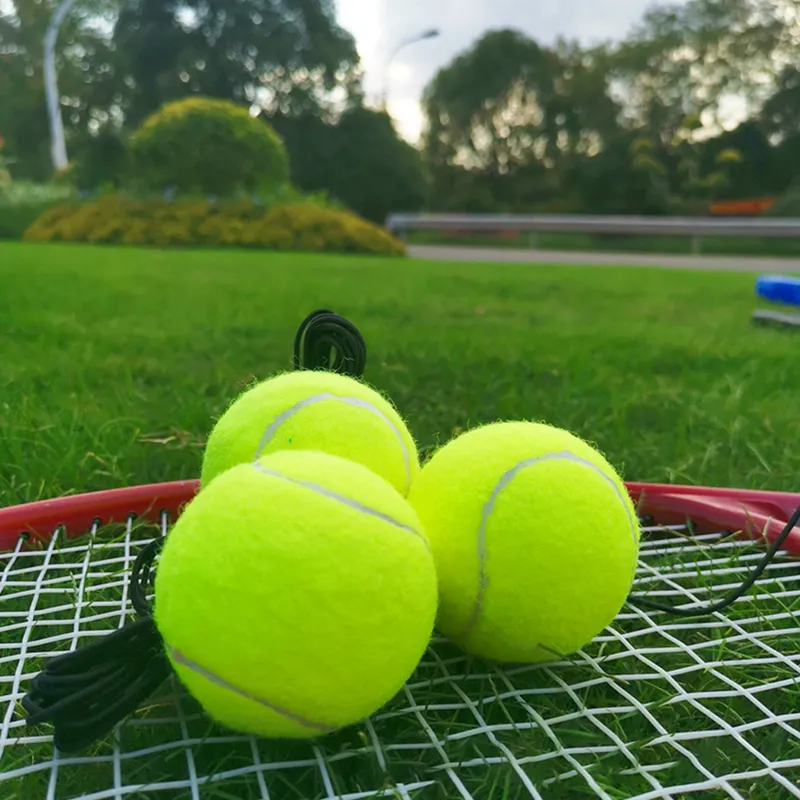
Lightweight, inexpensive and easy to pack, a tennis ball works as a simple mobility and pressure tool that helps relieve stiffness during long periods of sitting. Unlike bulky gadgets or electronic massagers, it needs no power, fits easily into a carry-on and can be used discreetly while seated.
The discomfort most people experience during long journeys comes from prolonged stillness. When muscles stay in one position for hours, blood flow slows and tension builds in the lower back, hips, neck and shoulders. Limited legroom means stretching is difficult, and even brief movement becomes restricted. This is where controlled, gentle pressure can make a difference.

A tennis ball can be used against the upper back to ease neck and shoulder stiffness. By slightly reclining the seat and placing the ball between the back and the seat, travellers can make slow, small movements side to side or up and down. This helps release tight muscle points that develop from poor posture and lack of movement, especially on long-haul flights where standing up often is not possible.
Lower back and hip discomfort are among the most common complaints during extended travel. Placing a tennis ball under one hip and moving it in gentle circular motions for about a minute, then switching sides, can help reduce stiffness. The controlled pressure encourages muscle relaxation without needing extra space, making it practical even in crowded cabins.
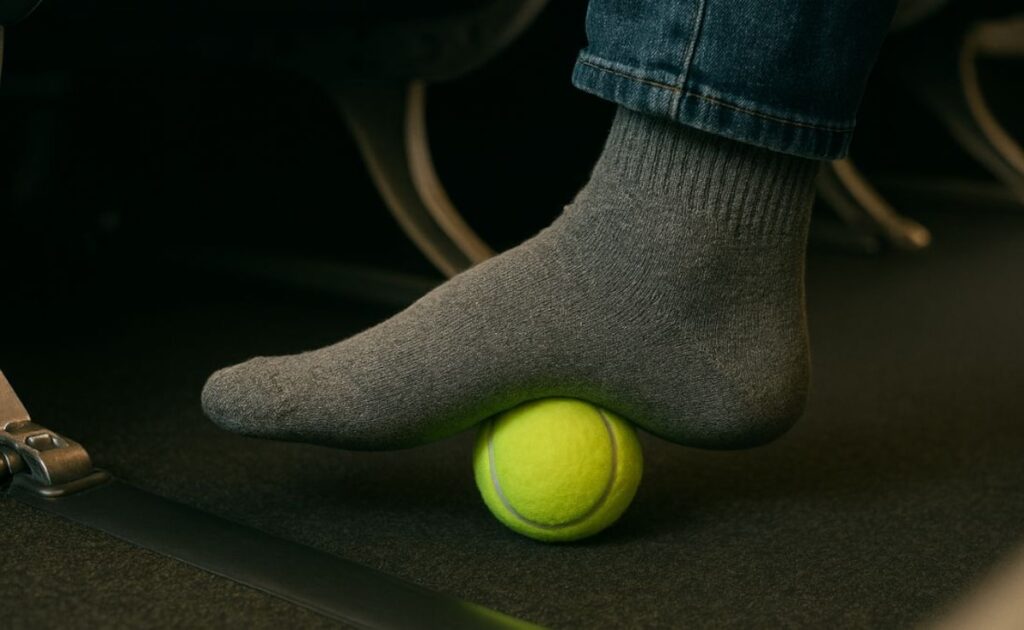
Feet and legs also tend to feel heavy and stiff after sitting for long periods. Rolling a tennis ball under the foot, forward and backward or in small circles, promotes subtle movement and improves comfort. This simple action supports circulation, particularly during long stretches between aisle walks or rest stops, and can be done quietly without disturbing others.
Beyond targeting specific sore spots, using a tennis ball encourages small posture shifts. These micro-movements help prevent the body from locking into one rigid position, reducing fatigue and restlessness. Combined with occasional standing or short walks when possible, this approach helps travellers feel more refreshed upon arrival rather than drained.
While the technique is simple, it is important to use it correctly. Pressure should always remain gentle, never painful. The ball should not be used on injured, inflamed or highly sensitive areas. Movements must stay slow and controlled, and if discomfort increases instead of easing, it is best to stop immediately. The tennis ball works best as a supplement to regular posture changes, not a replacement for movement breaks.
For frequent flyers, train travellers and road trippers alike, this modest piece of sports equipment offers a practical way to manage travel-related aches. In a world of expensive travel accessories, the tennis ball stands out for its simplicity and effectiveness, proving that sometimes the smallest items can make the biggest difference on long journeys.
Disclaimer: This article is for general information only and does not substitute professional medical or physiotherapy advice. Individuals with existing injuries or medical conditions should consult a qualified expert before trying pressure-based techniques.