Survival Tips Without Swimming: Can’t Swim? These 6 Everyday Items Can Help Save Your Life If You’re Trapped in Water
Survival Tips Without Swimming: Can’t Swim? These 6 Everyday Items Can Help Save Your Life If You’re Trapped in Water
In emergency situations involving water, panic often proves more dangerous than the situation itself. Experts say that staying calm and using common sense can significantly improve survival chances—even for those who do not know how to swim. Simple, everyday items found around you or inside your car can act as temporary life-saving tools if used correctly.
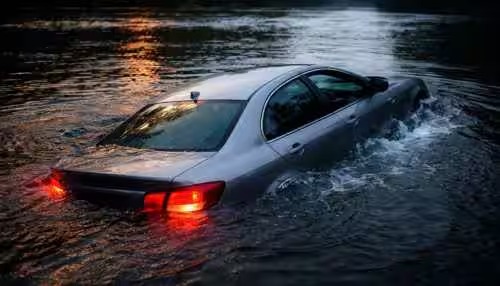
Safety experts stress that if a vehicle plunges into water or if a person is suddenly trapped in a waterlogged area, having the right items—and the presence of mind to use them—can make a critical difference. Here are six commonly available items that can help keep you afloat even if you don’t know how to swim:
1. Backpack or Handbag
A backpack or handbag can act as a temporary flotation device. Hold it tightly against your chest like a pillow. The trapped air inside and the structure of the bag can help keep your upper body above water for some time, even if the bag gets wet.

2. Plastic Water Bottles
Empty or sealed plastic water bottles float easily. If you find one nearby, hold it close to your chest. Multiple bottles provide better buoyancy by trapping more air, helping prevent your body from sinking during moments of extreme weakness.
3. Car Seat Cushion or Headrest
Car seat cushions and headrests are usually made of foam, which floats on water. If possible, remove them and place them under your body or near your chest. This can help keep your face above water and make breathing easier until help arrives.
4. Tyre or Tube
A loose tyre or tube can be a strong support in water, as it contains a large amount of air. Holding onto it and resting your upper body on it reduces effort, conserves energy, and helps you stay afloat for longer periods.
5. Lunch Box or Closed Container
Any sealed, hollow container—such as a lunch box—can provide flotation if air is trapped inside. Hold it close to your body and use it as support to stay above water.
6. Your Clothes
Contrary to common belief, clothes are not always dangerous in water. They become a problem mainly when panic leads to excessive movement. If you remain calm and use floating objects for support, your clothes will not necessarily pull you down.
Disclaimer:
This article is intended for general awareness and informational purposes only. It does not replace professional training in swimming, water safety, or emergency rescue techniques. In water-related emergencies, individual outcomes may vary depending on circumstances. Readers are advised to follow official safety guidelines and seek professional training for disaster preparedness.
Note:
In any water emergency, the most important step is to remain calm and think clearly. Even without swimming skills, the right mindset and smart use of nearby objects can help improve your chances of survival.