Taste of India: Traditional Egg Curries From Different Parts Of India That Make Winter Indulgence Special
Taste of India: Traditional Egg Curries From Different Parts Of India That Make Winter Indulgence Special
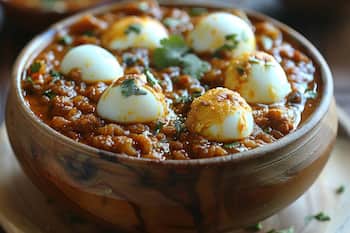
From Punjab’s Dhaba-style to Kerala’s coconut-rich preparation, regional egg curries showcase India’s culinary diversity through distinct spice profiles, cooking techniques, and traditional accompaniments
Winter has arrived, making it officially the season to enjoy eggs and egg-based delicacies that provide warmth and nutrition during cold weather. For those who love eggs, India offers a remarkable array of regional egg curries, each boasting unique flavors that reflect centuries of culinary heritage. These curries are not merely spicy, luscious, and creamy, but also tell stories of regional ingredients, cooking traditions, and food cultures passed through generations.
Punjabi Egg Curry: Dhaba-Style Comfort
Punjabi egg curry represents the rustic, robust flavors found at roadside dhabas along India’s highways. This flavorful and comforting dish features hard-boiled eggs simmered in a spiced gravy made with tomatoes, onions, ginger, garlic, and a blend of aromatic spices including cumin, coriander, turmeric, red chili powder, and garam masala.

The key to authentic Dhaba-style egg curry lies in cooking the onion-tomato base low and slow until oil separates from the masala, creating depth and richness. Many cooks fry seasoned hard-boiled eggs in hot oil until light golden brown with blistered skin before adding them to the curry, enhancing flavor absorption. The gravy develops a characteristic reddish-brown color with visible oil on the surface, creating the rustic appeal that defines dhaba cooking.
The dish pairs perfectly with butter naan, tandoori roti, or plain parathas, served alongside sliced onions, lemon wedges, and green chilies. For an authentic experience, finish the meal with lassi or masala chaas. This curry represents weeknight comfort food across North India, ready in under 30 minutes when using pre-boiled eggs.
Chettinad Egg Curry: Tamil Nadu’s Aromatic Specialty
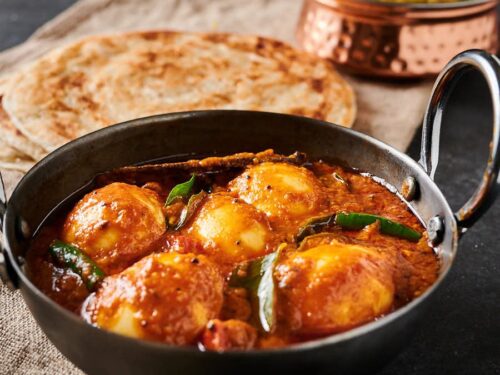
Tamil Nadu’s Chettinad region delivers an aromatic curry distinguished by its special masala blend featuring roasted spices including star anise, fennel seeds, black pepper, cinnamon, cloves, and bay leaves. This spice combination gives Chettinad egg curry its characteristic spicy flavor and distinct reddish-brown color.
The preparation involves dry-roasting whole spices until fragrant, then grinding them with coconut to create a flavorful paste. Hard-boiled eggs are simmered in thick coconut milk gravy infused with this masala, along with shallots, curry leaves, and tomatoes. The result is an intensely flavored curry where eggs absorb the complex spice notes.
Chettinad egg curry pairs beautifully with steamed rice or idiyappam (string hoppers), allowing the soft rice noodles to soak up the rich, spicy gravy. The dish exemplifies the bold, aromatic cooking style that makes Chettinad cuisine famous throughout India and internationally.
Dimer Dalna: West Bengal’s Subtle Sweetness
West Bengal’s classic egg preparation, dimer dalna, takes a different approach with fried eggs cooked in a potato-onion-tomato gravy. The dish begins by deep-frying hard-boiled eggs until golden, creating a slightly crispy exterior that contrasts beautifully with soft interiors.
The gravy features cumin seeds, bay leaves, and garam masala, with subtle sweetness from caramelized onions distinguishing it from other regional variations. Potatoes often join the eggs, making the curry more substantial. Turmeric gives the dish its characteristic yellow hue, while the restrained use of chilies keeps heat moderate.
Dimer dalna shines when served with basanti pulao (fragrant saffron rice) or luchi (deep-fried puffed bread). This combination represents Bengali festive meals and special occasions, though the curry remains simple enough for everyday preparation. The dish demonstrates Bengali cuisine’s preference for balanced, subtly sweet flavors rather than intense heat.
Kerala Egg Curry: Coastal Coconut Richness
Kerala’s coastal version represents South Indian egg curry at its finest, simmering eggs in thick coconut milk gravy with shallots, curry leaves, black pepper, and vinegar for tanginess. The preparation showcases ingredients abundant in Kerala’s coastal regions, particularly coconut in various forms.
The curry typically uses both thin and thick coconut milk. Thin coconut milk adds flavor during cooking, while thick coconut milk creates the luscious, silky finish added toward the end. Roasted spices including mustard seeds, fenugreek, dried red chilies, and curry leaves provide earthiness and aroma. Tamarind water or vinegar contributes essential sourness that balances the coconut’s richness.
This egg curry pairs ideally with appam (lacy rice pancakes with soft centers) or puttu (steamed rice cylinders with coconut). The combination represents quintessential Kerala breakfast or dinner, with the bread-like accompaniments soaking up the flavorful coconut gravy. The dish also works beautifully with plain rice or idiyappam.
Anda Rassa: Maharashtra’s Kolhapuri Fire
Maharashtra’s spicy delight from Kolhapur features eggs in a fiery red gravy made from coconut, sesame seeds, peanuts, and Kolhapuri masala loaded with dried red chilies. This curry caters to those who appreciate bold heat and intense flavors.
The preparation involves roasting coconut, sesame, peanuts, and whole spices, then grinding them into a paste that forms the curry base. Dried red chilies and Kolhapuri masala powder contribute significant heat, creating the characteristic bright red color. The gravy is slow-cooked to develop depth, with hard-boiled eggs absorbing the spicy, nutty flavors.
Anda rassa traditionally pairs with bhakri (thick millet flatbread), which provides the perfect vehicle for the intensely spiced curry. The rustic bread’s texture and neutral flavor balance the curry’s heat. Rice also serves as an accompaniment, though the bhakri pairing represents authentic Kolhapuri dining.
Odisha Egg Curry: Yogurt-Based Simplicity
Odisha offers a simpler, yogurt-based egg curry that exemplifies everyday home cooking in eastern India. The mild preparation features onions, ginger-garlic paste, turmeric, and mustard seeds creating a gentle gravy around boiled eggs.
The distinguishing feature is yogurt stirred into the curry, providing tanginess and slight creaminess without overwhelming spices. Potatoes often accompany the eggs, making the dish more substantial. The restrained spice profile makes this curry accessible to those who prefer milder heat while still delivering satisfying flavor.
Served alongside steamed rice, Odisha egg curry represents comfort food in Odia households. The simple preparation allows the eggs’ natural flavor to shine while the yogurt-based gravy provides moisture and tang. This curry demonstrates that elaborate spicing isn’t necessary for delicious results.
Common Techniques Across Regions
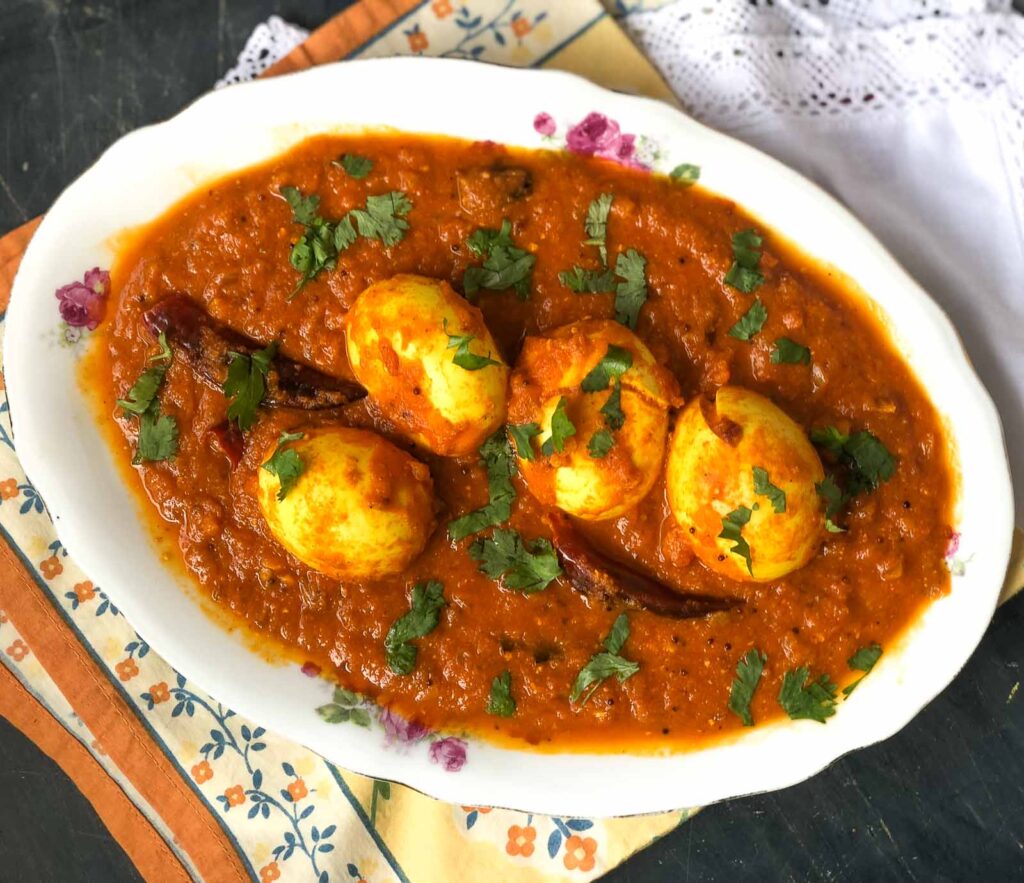
While these regional egg curries differ significantly in flavor profiles, certain techniques appear across variations. Most recipes begin with properly hard-boiled eggs, often soaked in cold water immediately after boiling for easier peeling. Many cooks make shallow slits in eggs or prick them with forks, allowing better flavor absorption.
The onion-tomato base remains common across multiple regions, though proportions and cooking methods vary. Patience in cooking this base proves essential, as rushing produces raw-tasting gravies. Allowing sufficient time for the masala to cook until oil separates creates depth and eliminates raw spice flavors.
Tempering with whole spices—mustard seeds, cumin, curry leaves, dried chilies—adds aromatic layers that distinguish professional-quality curries from rushed versions. The technique of adding eggs toward the end and simmering gently prevents overcooking, keeping yolks creamy and whites tender.
Nutritional Benefits
Beyond their delicious flavors, these egg curries provide excellent nutrition. Eggs supply high-quality protein, essential amino acids, vitamins B12, D, and A, and minerals including iron, zinc, and selenium. The spices used across different regional preparations offer anti-inflammatory, digestive, and immune-boosting properties.
Winter makes eggs particularly beneficial, as they provide warmth-generating protein and fat. The combination of eggs with spiced gravies creates satisfying, nourishing meals that sustain energy throughout cold days. Adding vegetables like potatoes, peas, or greens increases fiber and micronutrient content.
Preserving Culinary Heritage
These traditional egg curry recipes represent more than mere food preparation—they embody regional identities, family traditions, and centuries of culinary evolution. Each variation reflects local ingredient availability, climate considerations, and cultural preferences that shaped cooking practices over generations.
As younger generations increasingly embrace global cuisines, preserving these regional egg curry traditions becomes important for maintaining India’s diverse food heritage. Home cooks passing recipes to children, restaurants highlighting regional specialties, and food writers documenting authentic preparations all contribute to keeping these traditions alive.
Whether seeking intense Kolhapuri heat, subtle Bengali sweetness, aromatic Chettinad complexity, or coconut-rich Kerala flavors, India’s regional egg curries offer something for every palate. This winter, exploring these diverse preparations provides delicious ways to enjoy eggs while appreciating the remarkable culinary diversity that defines Indian cuisine.
Disclaimer: This article is for informational purposes only.