Using a Credit Card? Here’s One Thing You Should Never Do — It Can Cost You More Than You Think
Using a Credit Card? Here’s One Thing You Should Never Do — It Can Cost You More Than You Think
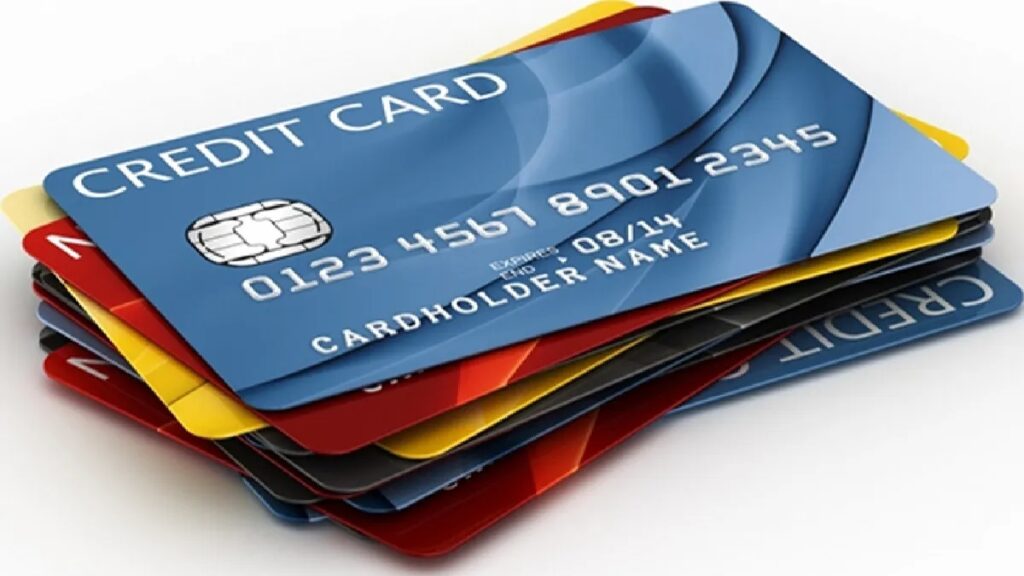
Credit cards have become a go-to financial tool for many, especially for salaried professionals. The flexibility, reward points, cashback offers, and discounts are undeniably tempting. For a lot of people, it feels like having extra cash on hand — a financial cushion. But the convenience of a credit card can turn into a financial trap if you’re not careful.
And there’s one particular habit that can quietly drain your wallet and damage your financial health: withdrawing cash from your credit card.
It might seem like a quick fix during emergencies, but pulling out cash using your credit card is one of the most expensive mistakes you can make. Here’s why you should think twice before doing it.

You Pay Interest Right From Day One — And It’s Steep
Unlike regular credit card purchases, where you usually get an interest-free period, cash withdrawals don’t come with that grace. The moment you take out cash from an ATM using your credit card, interest starts building up — immediately. The rates? Usually between 2.5% to 3% per month. That may not sound like much at first glance, but it adds up fast, especially if you’re unable to pay it off quickly
ATM Transaction Charges are Extra
On top of the interest, you’re also hit with ATM transaction fees or maintenance charges. Some banks might offer a limited number of free transactions, but that’s rare. In most cases, the moment you swipe your credit card at an ATM, the meter starts running.
Late Payment? Be Ready for Heavy Penalties
If you’re late on repaying the amount you withdrew — or you only make a partial payment — you’re looking at late payment charges that could range anywhere from 15% to 30% of the outstanding amount. It’s a costly price for short-term liquidity.
Your Credit Score Takes a Hit
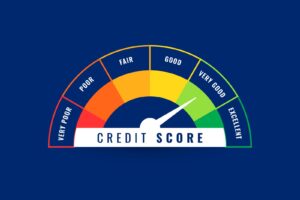
You can generally withdraw up to 40% of your total credit limit in cash. But if you’re doing this frequently, it sends the wrong signal to lenders. It shows you’re reliant on credit for cash — and that hurts your credit score. Add delayed payments to the mix, and the damage deepens. Over time, this can make it harder to get loans or even affect interest rates on future borrowings.
So, What Should You Do Instead?
If you’re ever in a financial crunch, consider personal loans, borrowing from family, or even using a credit card for a purchase instead of withdrawing cash. These options, while not ideal, are often less punishing than cash withdrawals.