What was feared happened! Baba Vanga’s 2026 World War III Prediction Goes Viral Amid US–Israel–Iran Tensions
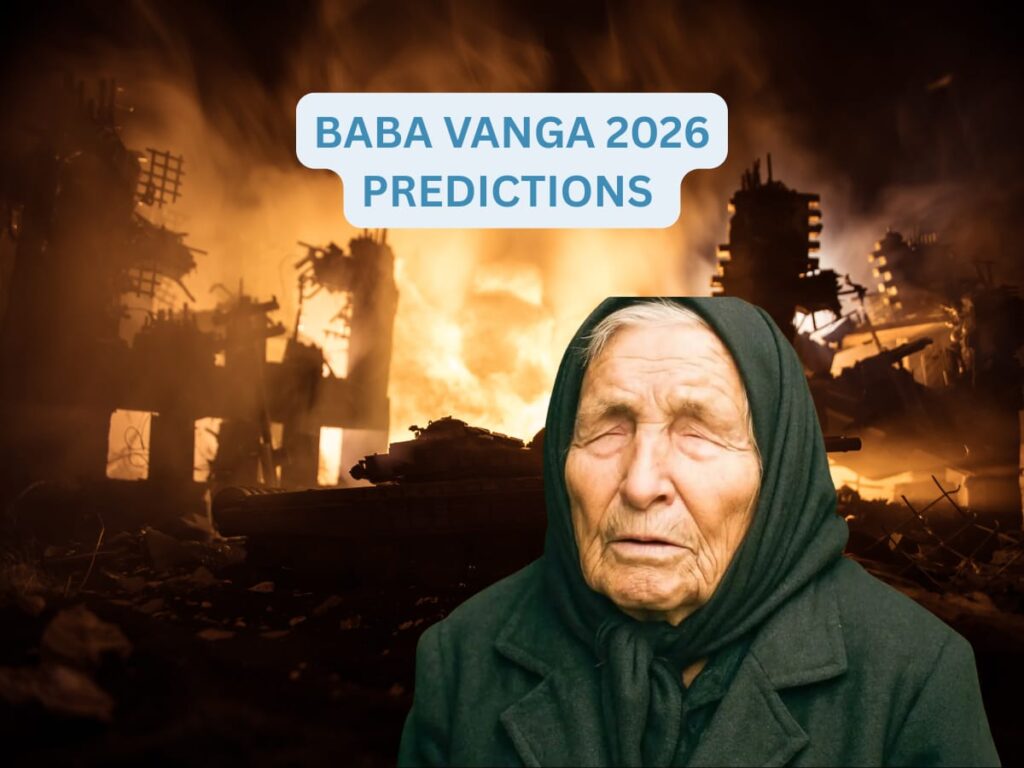
What was feared happened! Baba Vanga’s 2026 World War III Prediction Goes Viral Amid US–Israel–Iran Tensions
Social media links escalating Middle East conflict to decades-old prophecy; experts urge caution
As military tensions rise between the United States, Israel and Iran, a decades-old prediction attributed to Bulgarian mystic Baba Vanga has resurfaced online. Social media platforms are flooded with claims that her prophecy about a global war in 2026 may be coming true.
The renewed discussion follows Israeli military action against Iran, with reports of explosions in Tehran and escalating hostilities across the region. Amid this volatile backdrop, Baba Vanga’s prediction that a “Third World War” would begin in 2026 has once again captured public attention.
Baba Vanga, often referred to as the “Nostradamus of the Balkans,” had reportedly predicted that 2026 would be a year of large-scale war and destruction. According to widely circulated interpretations of her prophecy, a major conflict would begin in the eastern part of the world and gradually spread globally. She is also said to have warned that the months of March and April 2026 could mark a particularly dangerous phase.

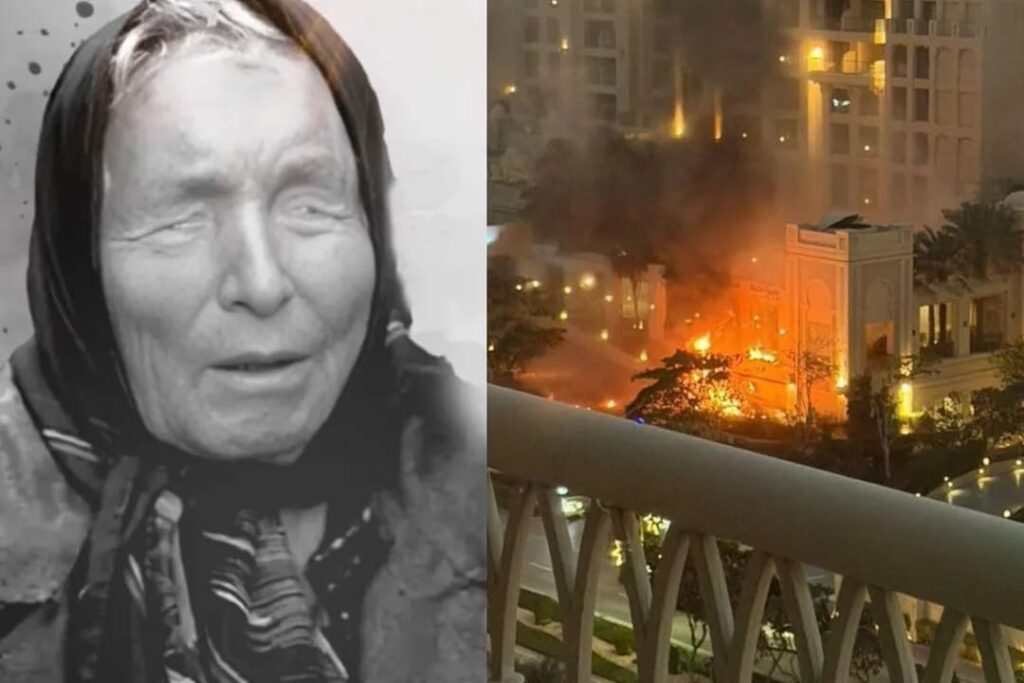
Some versions of the prediction claim that superpowers such as the United States and Russia could eventually face off, with Europe suffering the most severe consequences. It is also suggested that Russia could emerge as a dominant global power following widespread destruction.
These claims have gained traction after recent US and Israeli strikes on Iran, as well as retaliatory actions in the region. However, there is no official or verifiable record directly linking current geopolitical developments to any specific prophecy.
Baba Vanga, who died in 1996, has long been associated with predictions that followers believe include the collapse of the Soviet Union and the 9/11 attacks in the United States. While some consider her forecasts remarkably accurate, critics argue that many of her prophecies are vague and open to broad interpretation.
In recent days, other regional conflicts — including tensions between Afghanistan and Pakistan — have also been loosely linked to her 2026 prediction, further fuelling speculation online.
Despite growing fear and curiosity, experts caution against drawing direct conclusions from prophetic interpretations. Geopolitical conflicts are shaped by complex political, military and economic factors, not predetermined forecasts.
As tensions continue in West Asia, global leaders are calling for restraint and diplomatic solutions. Whether the current crisis escalates further remains uncertain, but analysts stress that real-world developments should be assessed through verified information rather than viral claims.
For now, Baba Vanga’s 2026 prophecy remains a topic of debate — driven more by public anxiety and social media momentum than by confirmed evidence.
Disclaimer: This article discusses widely circulated prophetic claims. Such predictions are not scientifically verified and should not be treated as factual or authoritative assessments of geopolitical events.