Why Devotees Chant ‘Ganpati Bappa Morya’ During Ganesh Chaturthi – The Fascinating Story Behind Morya Gosavi, Chinchwad Pune
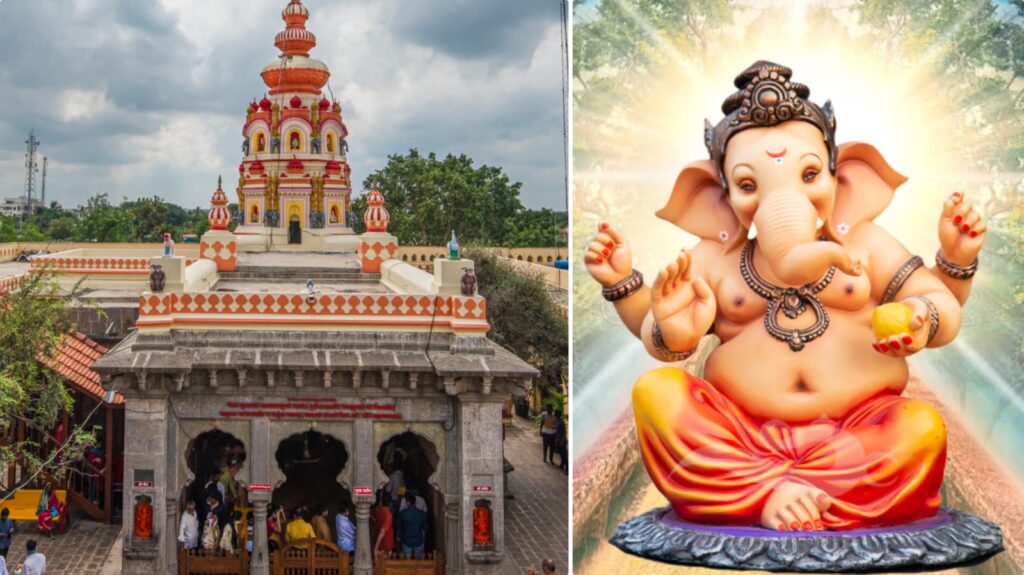
Why Devotees Chant ‘Ganpati Bappa Morya’ During Ganesh Chaturthi – The Fascinating Story Behind Morya Gosavi, Chinchwad Pune
Sometimes, in the midst of celebration and devotion, we find ourselves repeating phrases that feel powerful and emotional — even if we don’t always pause to understand their deeper meaning. One such chant, echoed in homes and temples alike during Ganesh Chaturthi, is “Ganpati Bappa Morya.” But what does it truly mean? And who is Morya — the name forever attached to Lord Ganesha’s?
The full chant often recited during Ganesh Chaturthi is “Ganpati Bappa Morya, Pudhchya Varshi Lavkar Ya” — which means “Lord Ganesha, our beloved father, come again early next year!” The word “Morya” in the chant is not just a lyrical addition; it is a heartfelt tribute to one of the most devoted saints in Ganesha’s history — Morya Gosavi.
Morya Gosavi, who lived during the 14th or 15th century, was an ardent devotee of Lord Ganesha, originally from Bidar (present-day Karnataka). Though originally from Bidar, he was born in Morgaon — one of the Ashtavinayak pilgrimage sites — and later moved to Chinchwad, which is about 90 to 100 kilometers away. His deep spiritual yearning brought him to Chinchwad near Pune, Maharashtra, where he dedicated his entire life to the worship of Ganesha. He performed intense penance (tapasya), and it is believed that Ganesha himself granted him divine visions. Some legends even say that Morya Gosavi ultimately merged into the idol of Lord Ganesha, becoming one with the divine. Today, the Morya Gosavi Ganpati Mandir in Chinchwad stands as a living tribute to this saint, still attracting thousands of pilgrims and devotees during the Ganesh Chaturthi season and beyond.

According to popular stories passed down through generations, when Morya Gosavi was young, he would walk all the way to Morgaon every year during Ganesh Chaturthi to visit Ganpati Bappa. As time passed and he grew old, his body could no longer bear the journey. Deeply pained by this, he gave up food and water, determined to show his devotion in any way he could. Concerned villagers pleaded with him to eat, warning him that he might die.

One night, Lord Ganesha appeared in his dream and said, “You no longer need to come to me—I will come to your home instead.” The next morning, after taking a bath in the river and returning home, Morya Gosavi discovered a miraculous stone in which Lord Ganesha appeared to him. The divine idol spoke, saying, “From now on, my name and your name will always be taken together.” And so, the chant “Ganpati Bappa Morya” was born. This touching story may be a legend, but it beautifully symbolizes the unbreakable bond between the devotee and the deity. In a way, this is also why we bring Ganpati into our homes every year during the festival—just as Ganesha came to Morya’s home, we welcome Him into ours.
By chanting “Ganpati Bappa Morya,” devotees are not only invoking the blessings of Lord Ganesha, but also honoring the unwavering devotion of Morya Gosavi. It is a beautiful reminder of the closeness between the divine and the devotee — how deep faith and love can create a bond so strong that the devotee’s name becomes part of the deity’s very invocation. In a way, saying “Ganpati Bappa Morya” is like saying, “Hail Lord Ganesha, the beloved of Morya!” — a call that’s full of emotion, reverence, and collective spiritual energy.
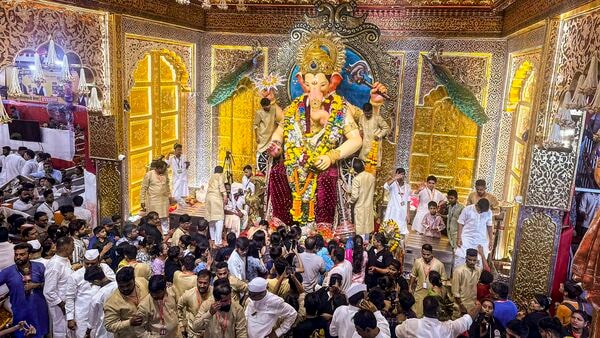
In homes across Maharashtra, the mood of Ganesh Chaturthi is incomplete without the resonance of this chant. Alongside, other soulful songs and aartis fill the air — especially the iconic “Sukhakarta Dukhaharta” (meaning: the one who brings happiness and removes sorrow), a timeless Marathi aarti composed by the saint Samarth Ramdas. This prayer, recited at the end of daily Ganesh worship, is an emotional anchor for many families, passed down across generations.
The devotional soundscape of Ganesh Chaturthi also includes beloved tracks like “Bappa Moraya Re”, “Ashtavinayak Tuza Mahima Kasa”, “Gannayaka Shubhdayaka”, and “Ranjangavala”, all of which contribute to the festive spirit and spiritual upliftment. But it is “Ganpati Bappa Morya” that remains the heartbeat of the festival — a phrase that bridges centuries, connects devotees to the divine, and echoes the legacy of one man’s extraordinary love for Ganesha.