Why ‘This’ City Is Considered as The ‘Largest City’ Of India

Why 'This' City Is Considered as The 'Largest City' Of India
More than size or population, Delhi stands as India’s biggest city through history, diversity, culture and urban spread.
Ask any seasoned traveller about India’s cities and you will hear passionate debates. Mumbai is admired for its spirit, Kolkata for its intellect, Bengaluru for its modern outlook. But when it comes to sheer scale, historical depth and cultural variety, Delhi clearly stands apart. It is not just the capital of India; it is a vast, living city that has grown by absorbing centuries of civilisation into its present form.
Delhi is officially known as the National Capital Territory of Delhi. It covers an area of around 1,483 square kilometres, making it one of the largest urban regions in the country. What makes Delhi unique is that it is not a single city in the traditional sense, but a collection of many cities layered on top of each other. Each area represents a different chapter of Indian history, yet all function together as one massive urban space.
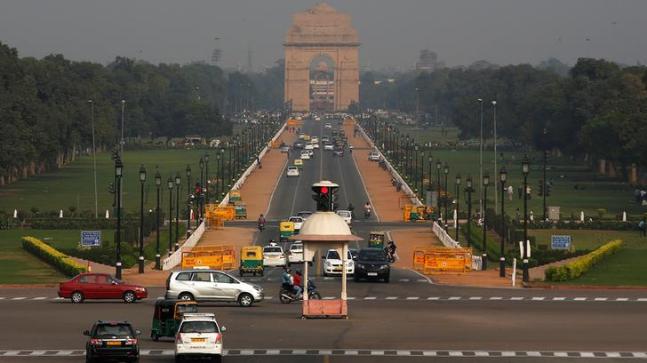
Together, these diverse areas form a continuous urban expanse. From the historic lanes of Old Delhi to the wide roads of Lutyens’ Delhi, from modern suburbs to ancient ruins, Delhi feels like several worlds connected in one geography. This scale and complexity are what give it the title of India’s largest city in spirit as well as structure.

A traveller’s introduction to Delhi is often overwhelming and unforgettable. The city does not reveal itself in one look. It demands time, patience and curiosity. Every corner has a story, whether it is a centuries-old monument, a bustling market, a peaceful park or a modern business district. Delhi is not meant to be rushed. It is meant to be explored layer by layer.
One of Delhi’s greatest strengths is its extraordinary concentration of heritage sites. It is home to some of the most important historical monuments in India. The Qutub Minar symbolises the early Indo-Islamic period. Humayun’s Tomb reflects the foundation of Mughal architecture. The Red Fort stands as a symbol of power, resistance and independence. These are not just tourist attractions; they are reminders of how deeply history is rooted in everyday life here.
Beyond monuments, Delhi’s diversity shines through its people. Communities from every part of India have made Delhi their home. This has created a cultural mix that is unmatched. Languages, traditions, clothing styles and festivals blend seamlessly. In many ways, Delhi represents a miniature version of India itself.
Food is another powerful reflection of this diversity. To eat in Delhi is to travel across the country. From royal Mughlai dishes to Punjabi comfort food, from Bengali sweets to South Indian meals and Northeastern flavours, the city offers everything. Old Delhi is famous not just for its architecture but for its street food culture, where recipes have been preserved for generations.
For tourists, Old Delhi is not about ticking off places on a checklist. It is about experiencing a living heritage. The narrow lanes, historic mosques, ancient shops and timeless flavours create an atmosphere that no modern city can replicate. It shows how the past and present coexist in Delhi without conflict.
Despite its massive size and population, Delhi also surprises visitors with its calm spaces. Forested ridges, heritage parks and green zones offer quiet relief from the city’s intensity. These areas show another side of Delhi,tarakhand. This central role further strengthens its position as the country’s largest and most influential city.
The best time to explore Delhi is during the cooler months. Winter mornings wrapped in mist make monuments look magical, while evenings are perfect for heritage walks and food trails. The city becomes more pedestrian-friendly and visually dramatic during this season.
Delhi cannot be neatly summarised in a few lines. It is too large, too layered and too complex for simple definitions. It is history, culture, chaos, beauty, struggle and survival combined. That is why Delhi is not just India’s largest city by scale, but also by experience.