Winter Adventure: India’s 8 Most Dangerous Roads That Test the Nerves of Every Driver

Winter Adventure: India’s 8 Most Dangerous Roads That Test the Nerves of Every Driver
As the winter season sets in, India’s diverse terrain—from the snow-covered Himalayan heights to fog-laden valleys—turns some of the country’s most scenic roads into perilous pathways. For thrill-seekers, these roads offer unmatched adventure, but they also demand extreme caution, preparedness, and respect for nature’s unpredictable might. Here’s a detailed look at India’s eight most dangerous winter roads, where beauty meets danger at every turn.
1. Leh–Manali Highway, Himachal Pradesh
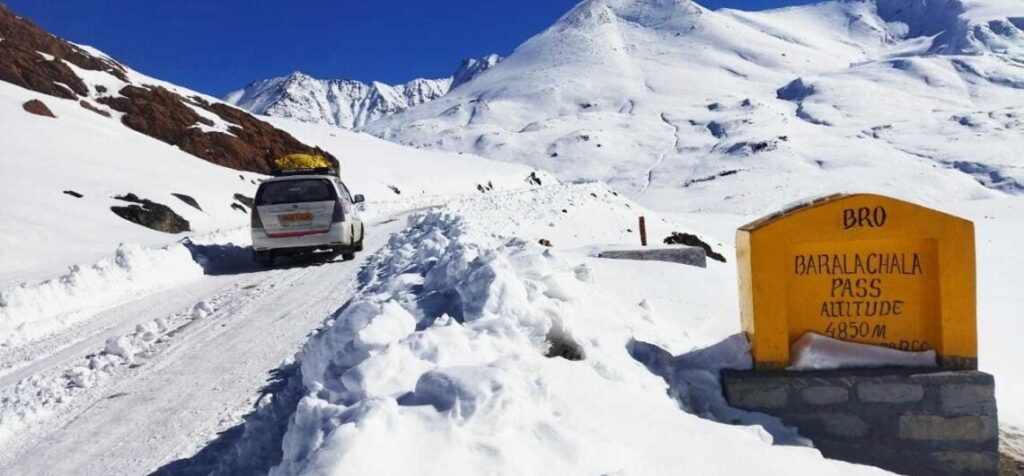
Stretching through some of the most stunning landscapes in the Himalayas, the Leh–Manali Highway transforms into a treacherous route during winter. With temperatures dropping far below freezing and snow covering most of the path, the highway often becomes impassable between November and April. Icy patches, avalanches, and altitude sickness are constant risks. Only experienced drivers with proper vehicles and equipment should attempt this road during the colder months.
2. Khardung La, Ladakh

Known as one of the world’s highest motorable passes at an altitude of 18,379 feet, Khardung La challenges even the most seasoned travelers. Located in the Ladakh region, this pass remains covered in snow for most of the year. Sudden weather changes, thin air, and slippery surfaces make it one of India’s most difficult and dangerous winter routes. Despite the dangers, the stunning views of snow-clad mountains attract adventure lovers every year.

3. Rohtang Pass, Himachal Pradesh
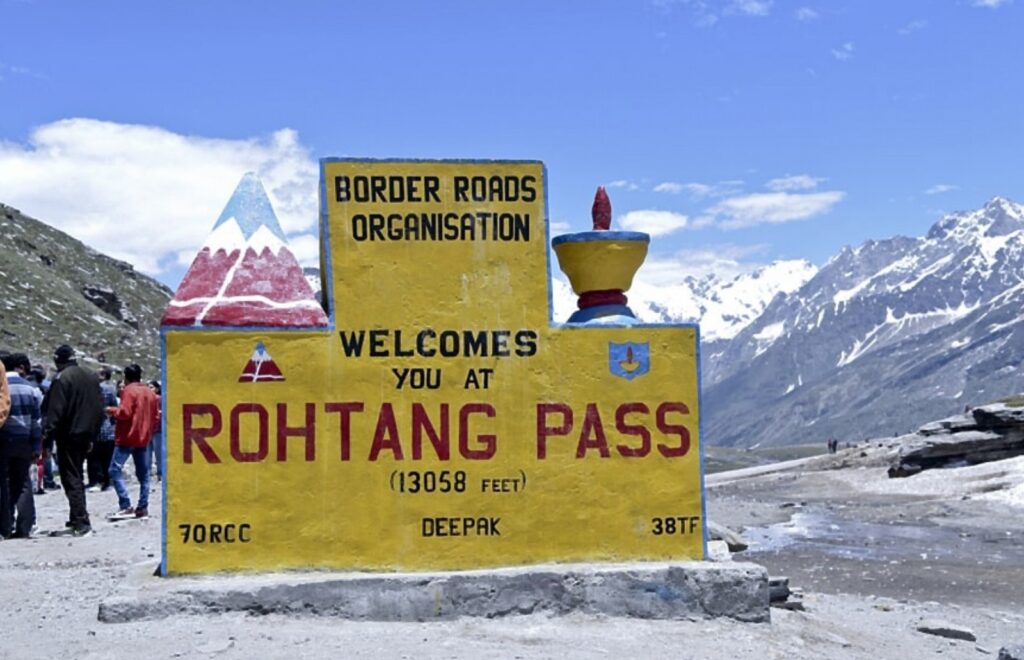
Connecting Manali to Leh and Lahaul-Spiti, Rohtang Pass is both a lifeline and a challenge. In winter, the pass is often shut down due to heavy snowfall and frequent landslides. The narrow, winding roads with limited visibility test a driver’s patience and precision. While the Atal Tunnel now provides an alternate route, the pass remains infamous for accidents and extreme conditions.
4. Zoji La Pass, Jammu & Kashmir
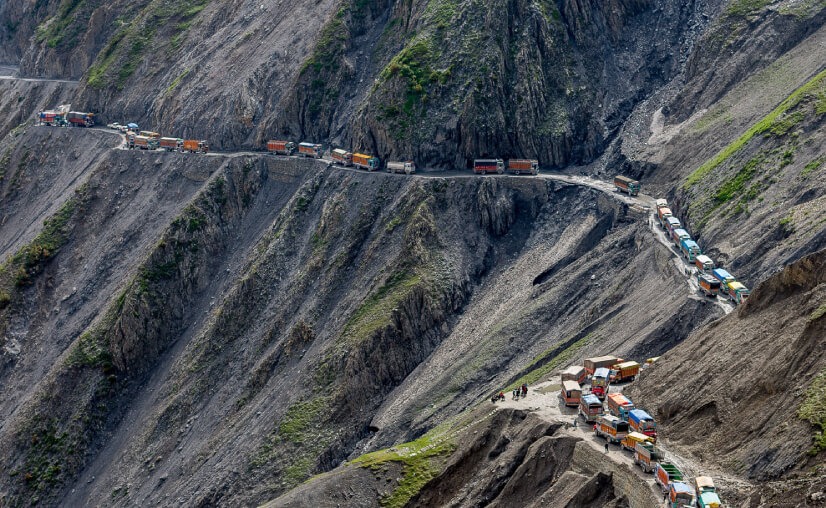
Zoji La, located at about 11,650 feet between Srinagar and Leh, is among the most dangerous mountain roads in the world. The narrow pathway, steep cliffs, and lack of guardrails make it extremely risky, especially during the winter when it’s blanketed with snow and ice. The pass is often closed from November to April, and travelers are advised to avoid venturing here during these months.
5. Spiti Valley Road, Himachal Pradesh
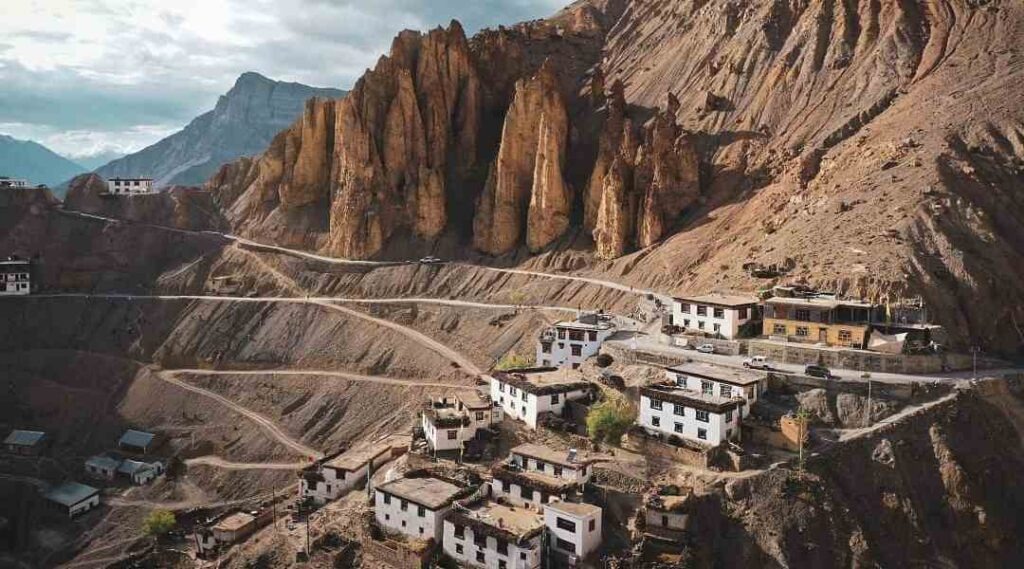
The route to Spiti Valley offers otherworldly beauty but comes with immense risks. Situated at a high altitude with limited habitation, the valley becomes cut off for months due to snowfall. The winding roads, sharp turns, and frozen rivers make driving here both thrilling and perilous. Rescue and repair services are minimal, and travelers often face subzero temperatures, making preparedness essential.
6. Nathu La Pass, Sikkim
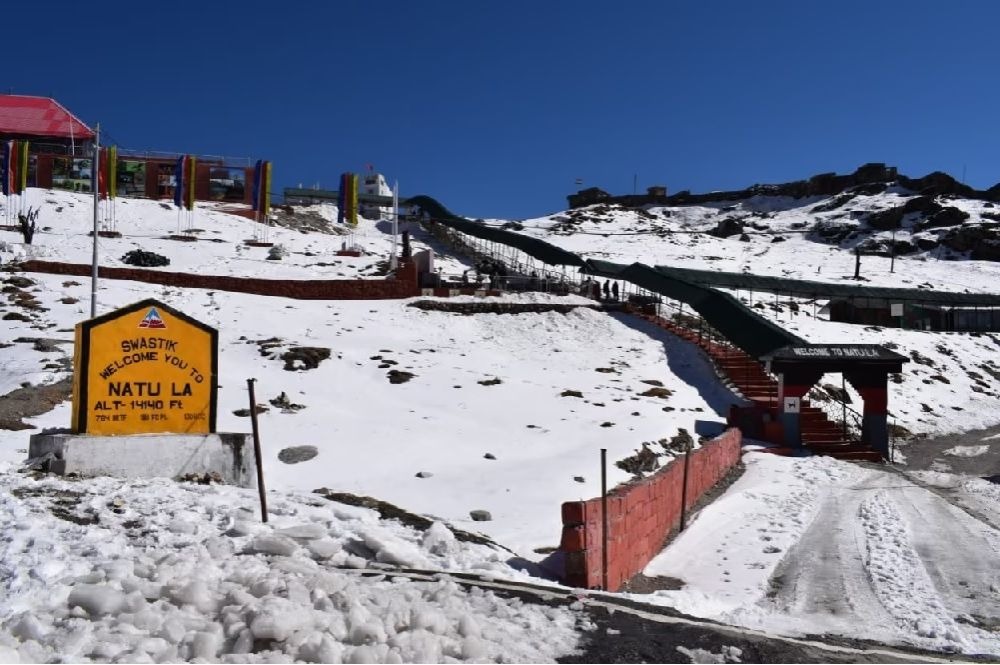
Located on the Indo-China border, Nathu La is one of the highest passes in the Eastern Himalayas. At over 14,000 feet, it experiences harsh winter conditions with strong winds and blizzards. Access is heavily restricted during the colder months due to security and safety reasons. Even in summer, the thin air and sudden snowstorms can make the journey hazardous.
7. Manali–Leh Highway, Himachal Pradesh to Ladakh

Although breathtakingly scenic, the Manali–Leh Highway is not just a drive—it’s an expedition. In winter, this route is buried under several feet of snow, making it one of the most dangerous roads in India. Avalanche-prone stretches, freezing winds, and isolation add to the risk factor. It remains closed for most of the year, reopening only in late spring when the snow begins to melt.
8. Sinhagad Road, Maharashtra
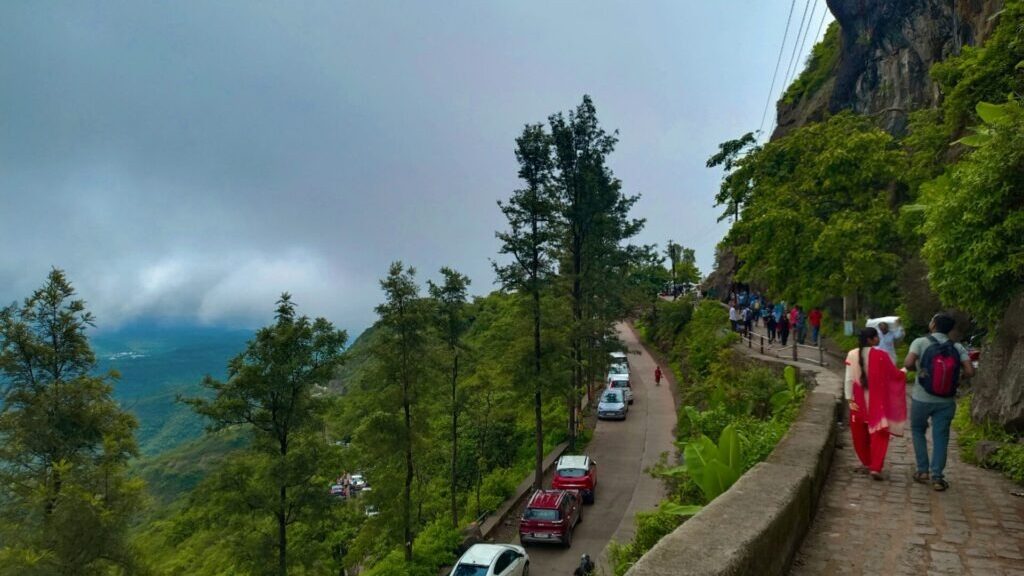
Unlike the high-altitude Himalayan routes, Sinhagad Road near Pune poses its own winter dangers. Thick fog, sharp curves, and landslides during the post-monsoon and winter months make it hazardous for daily commuters. The narrow stretches and heavy tourist traffic, especially on weekends, often lead to congestion and accidents. Drivers are urged to maintain speed limits and use headlights and fog lamps for safety.
Why These Roads Are So Dangerous
- Extreme weather: Snow, fog, and landslides make visibility and traction poor.
- Altitude and isolation: Most of these roads are located in remote regions with minimal medical or mechanical help.
- Unpredictable terrain: Sudden turns, steep climbs, and slippery surfaces demand expert handling and constant attention.
Safety Tips for Winter Travelers
- Always check road and weather updates before starting your journey.
- Carry essential gear—snow chains, extra fuel, blankets, food, and water.
- Avoid night driving, especially in fog-prone or high-altitude areas.
- Follow local advisories and never attempt to cross closed passes.
- Keep your vehicle serviced and ensure your tyres, brakes, and lights are in excellent condition.
Final Word
While these routes promise unforgettable views and adrenaline-pumping adventure, they are also a reminder of nature’s raw power. Winter travel on these roads should be undertaken only with proper preparation, respect for safety protocols, and an understanding of the risks involved. For thrill-seekers, they remain some of India’s most exhilarating—and dangerous—winter journeys.