Your Roommate’s Genes Might Influence Your Gut Health, New Study Suggests
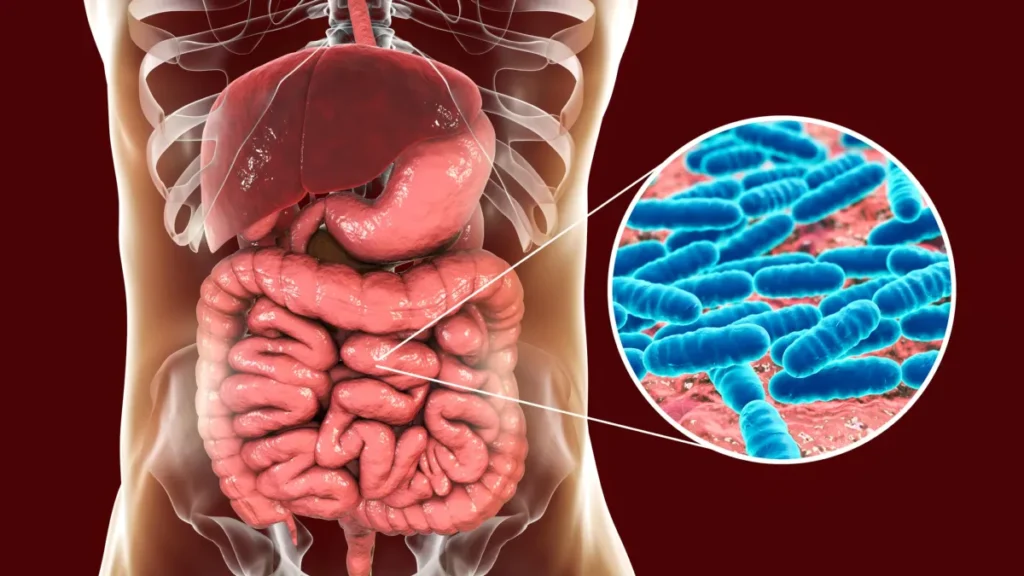
Your Roommate’s Genes Might Influence Your Gut Health, New Study Suggests
Gut health is often seen as a personal responsibility, shaped by diet, stress levels, and lifestyle choices. Yogurt, fiber, probiotics, and clean eating usually take center stage when people talk about keeping their digestive system in balance. But emerging research indicates that the health of your gut might also be influenced by the people you live with.
Whether it’s roommates, family members, or partners, sharing a home means sharing meals, habits, and even microbes. Now, science suggests that your gut bacteria could be affected not only by your own genes but also by the genetic makeup of those around you. This study highlights a surprising social dimension to gut health.
The research, published on December 18 in Nature Communications, examined more than 4,000 rats, each genetically unique and housed under carefully controlled conditions. The rats were divided into four groups living in different facilities across the United States. While their diets were identical, their environments and care routines varied. This design allowed scientists to explore whether genetic influences on gut bacteria remained consistent despite environmental differences.

The findings revealed something remarkable. The gut microbiome was shaped not just by an individual rat’s genes but also by the genes of its cage mates. This means that genetic factors can indirectly affect the gut health of others through the microbes that spread between individuals.
Genes do not transfer from one body to another, but bacteria do. Certain genes can create conditions in the gut that favor the growth of specific microbes. These bacteria can then move to others through shared spaces, contact, or grooming, creating what researchers call “indirect genetic effects.”
Dr. Amelie Baud, a researcher at the Centre for Genomic Regulation in Barcelona, explains, “It’s not magic. Genes influence which microbes thrive in the gut, and those microbes can then affect others we live with. Our study shows that genetic effects are not limited to the individual.”
The researchers identified three strong and consistent gene–microbe relationships. One of the most notable involved the gene St6galnac1, which adds sugar molecules to the gut’s mucus lining. These sugars serve as food for a bacterium called Paraprevotella, promoting its growth. This connection was observed across all four rat groups, making it particularly reliable.
Another genetic region included mucin genes responsible for forming the gut’s protective mucus layer. These were linked to bacteria from the Firmicutes group. The third significant link involved the Pip gene, which produces an antibacterial molecule, and was associated with bacteria from the Muribaculaceae family, commonly found in rodents and also present in humans.
The study’s large scale allowed scientists to measure how much of the gut microbiome was influenced by an individual rat’s genes versus those of its cage mates. They found that some bacteria, especially from the Muribaculaceae family, were affected by both direct genetic influences and social genetic effects. When social effects were included, the overall genetic impact was four to eight times greater, indicating that genetics may play a bigger role in gut health than previously thought.
Although these experiments were conducted in rats, the findings raise important questions for humans. People who live together often share gut microbes, meaning that genetic influences could extend beyond a single person. Genes may shape not just your own health but also the well-being of those around you.
Interestingly, the rat gene St6galnac1 has a counterpart in humans called ST6GAL1. Previous studies have linked ST6GAL1 to Paraprevotella in humans, suggesting a shared mechanism across species. This mechanism revolves around how sugars in gut mucus support the survival of certain microbes.
The research also touches on possible disease connections. ST6GAL1 has been associated with breakthrough Covid-19 infections in vaccinated individuals. Paraprevotella may influence digestive enzymes that the virus uses to enter cells, suggesting that genetic differences could affect infection risk. Additionally, the bacterium may impact IgA antibodies in the gut, which, if altered, could enter the bloodstream and contribute to kidney issues such as IgA nephropathy. These links are still being explored, but they highlight the potential role of gut microbes in bridging genes and disease.
The research team plans to further investigate how St6galnac1 affects Paraprevotella and the downstream effects in the body. Dr. Baud emphasizes the uniqueness of this finding, noting that the strong and consistent signals observed across four separate facilities create an excellent opportunity for follow-up studies.
This study presents a new way to think about gut health. It is not only shaped by personal diet or habits but also by the people we live with and the microbes we share. Taking care of your gut may involve paying attention to your environment and social connections just as much as your own lifestyle choices.
Note: This article is based on scientific research and studies. The findings are primarily derived from experiments on rats, but they offer intriguing insights into how genetics and social interactions could influence gut health in humans.