6 Fascinating Changes That Happen in Your Body While You Sleep
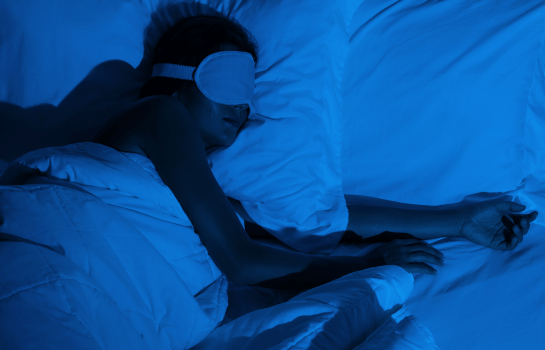
6 Fascinating Changes That Happen in Your Body While You Sleep
Sleep is often perceived as nothing more than a period of rest, a time when the body slows down, and the mind shuts off. However, behind the closed eyes and the quiet night, your body undergoes a series of incredible transformations that are vital for your health and well-being. These changes not only help you recharge but also ensure that your body and brain function optimally the next day. Although it might seem surprising, sleep is far from a passive state. It’s actually a time when your body is working diligently to repair, restore, and refresh itself.
In this article, we will explore six surprising yet scientifically backed changes that take place while you’re in the land of slumber. Some of these facts might even leave you in awe of the body’s capabilities during sleep. Let’s dive in and uncover the remarkable processes that happen when you sleep.
1. The Brain Prevents You from Acting Out Your Dreams

When you dream, especially in the rapid eye movement (REM) phase, your mind can be incredibly active. You might be running, flying, or having intense interactions in your dream world. However, if your brain didn’t take action, your body could be acting out those dreams—imagine running around in your sleep or even hurting yourself in the process. To prevent this, your brain temporarily paralyzes your muscles. This paralysis ensures you stay still and safe in bed, even if your mind is caught up in wild and vivid dreams. Without this mechanism, you might end up rolling off your bed or unintentionally kicking someone sleeping next to you. It’s a clever safety feature that works while you’re completely unaware of it.
2. Water Loss During Sleep
Did you know that while you sleep, your body loses up to a liter of water? This might seem like a lot, but it’s completely normal. Through the process of breathing and sweating (even in the absence of physical activity), your body naturally loses water. This is why you may wake up feeling thirsty after a good night’s sleep. When you sleep, your body doesn’t only rest—it also works on maintaining homeostasis. A small amount of sweat evaporates through your skin, and moisture escapes through your breath, especially during deep sleep. So, hydrating after a night’s rest becomes vital to help replenish your body’s fluids and keep your organs functioning smoothly.
3. Brain Cleansing During Sleep
Sleep isn’t just for physical recovery; it plays a crucial role in mental maintenance too. While you’re snoozing, your brain gets to work on a deep cleaning process. During the night, especially during deeper sleep stages, the brain flushes out harmful toxins that accumulate throughout the day. This process involves the activation of the brain’s glymphatic system, which helps remove waste and toxins, such as beta-amyloid, a protein linked to Alzheimer’s disease. If this cleaning process doesn’t happen properly, the buildup of these substances can lead to cognitive decline. Thus, getting enough quality sleep is essential for memory retention, clarity, and overall brain health. This is why a restless night can leave you feeling foggy and forgetful the next day.
4. Smell Perception Stops During Sleep
While you’re deep in sleep, your body enters a state where sensory input doesn’t easily wake you up. This includes the sense of smell. Even if there’s a strong, overpowering scent in the air—like smoke or food cooking—your brain might not register it during sleep. This is why sleeping through an alarm, car honks, or even a burning smell can happen without disturbing your slumber. It’s fascinating that the body can essentially “ignore” these signals while sleeping, but it also poses a safety risk. For this reason, it’s recommended to have smoke alarms or carbon monoxide detectors in your home. Your brain won’t always pick up on these cues while you’re deep in sleep, making these safety devices crucial for your protection.
5. Hypnic Jerks: The Startling Fall Sensation
Have you ever woken up suddenly with the feeling of falling? That moment when your body jerks awake, and you catch your breath, as though you were just about to hit the ground? This sensation is known as a “hypnic jerk” or “sleep start,” and it’s something many people experience from time to time. It occurs when your muscles relax too quickly, causing your brain to misinterpret the sensation as a fall. To prevent harm, your brain jolts you awake with a sudden startle response. While the experience may be unsettling, it’s completely normal and part of the body’s intricate way of transitioning from wakefulness to sleep.
6. A Break for Your Body’s Cells and Systems
Sleep is also a vital time for cellular repair and growth. During deep sleep stages, the body boosts production of growth hormones that help repair muscles, tissues, and organs. This restoration process is essential for overall health, allowing the body to heal from the wear and tear of daily life. Without adequate sleep, this rejuvenation process is compromised, which can lead to slower recovery, weakened immune function, and a general sense of fatigue.
Disclaimer: This article is intended for informational purposes only.