9 Everyday Household Items That May Increase Cancer Risk

9 Everyday Household Items That May Increase Cancer Risk
Many items we use daily in our homes may seem harmless, but research suggests some could increase the risk of cancer over time. Being aware of these items and using safer alternatives can help reduce potential health risks. Here’s a closer look at nine common household items and why they may be concerning.
1. Plastic Containers

Plastic containers are convenient for storing food, but many are made with chemicals like BPA (Bisphenol A) or phthalates, which can leach into food, especially when heated. Studies have shown these chemicals may interfere with hormones and could increase the risk of hormone-related cancers.

Tips: Use glass, stainless steel, or BPA-free containers for food storage. Avoid microwaving food in plastic.
2. Non-Stick Cookware
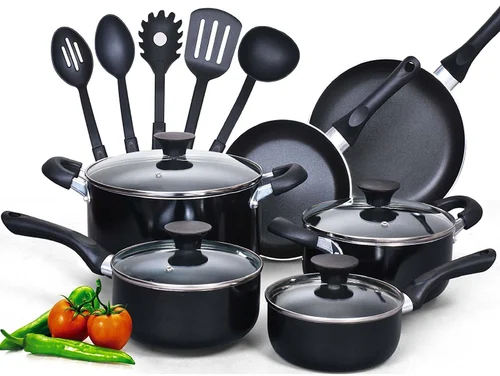
Non-stick cookware is popular for easy cleaning, but the coating Teflon can release toxic fumes when overheated. These fumes may contain chemicals linked to cancer in animal studies.
Tips: Use stainless steel, cast iron, or ceramic cookware as safer alternatives. Cook on medium heat rather than high to reduce chemical release.
3. Aluminum Foil
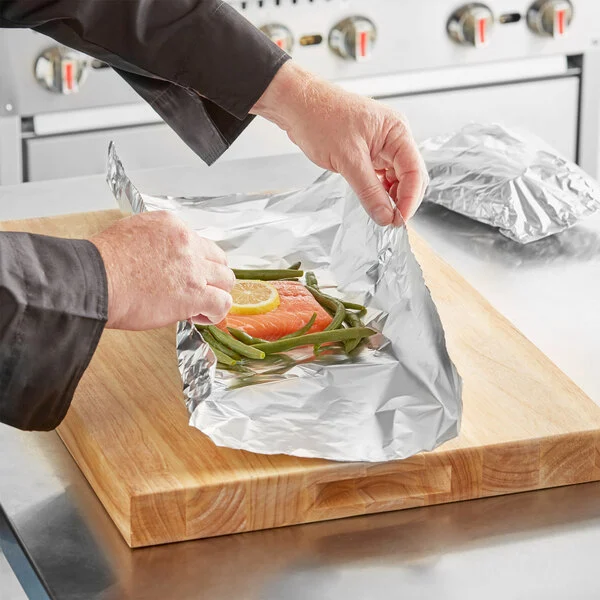
Aluminum foil is widely used for cooking and wrapping food. Cooking acidic foods (like tomatoes or lemon) in aluminum foil may cause aluminum to leach into food. Some studies suggest that excessive aluminum intake might be linked to cellular changes, though more research is needed.
Tips: Avoid direct contact between acidic food and aluminum foil. Use parchment paper or glass containers when possible.
4. Refined Cooking Oils
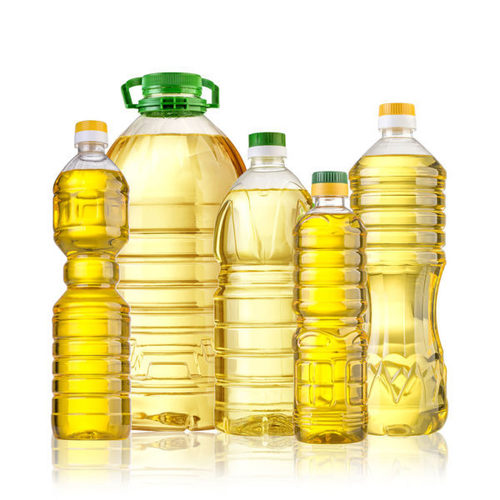
Highly processed cooking oils, such as refined vegetable oils, often undergo chemical processing and high heat treatment. Repeatedly heating these oils can create free radicals and toxic compounds, which may contribute to cancer risk over time.
Tips: Use cold-pressed oils like mustard, coconut, or olive oil and avoid reusing cooking oil multiple times.
5. Plastic Water Bottles
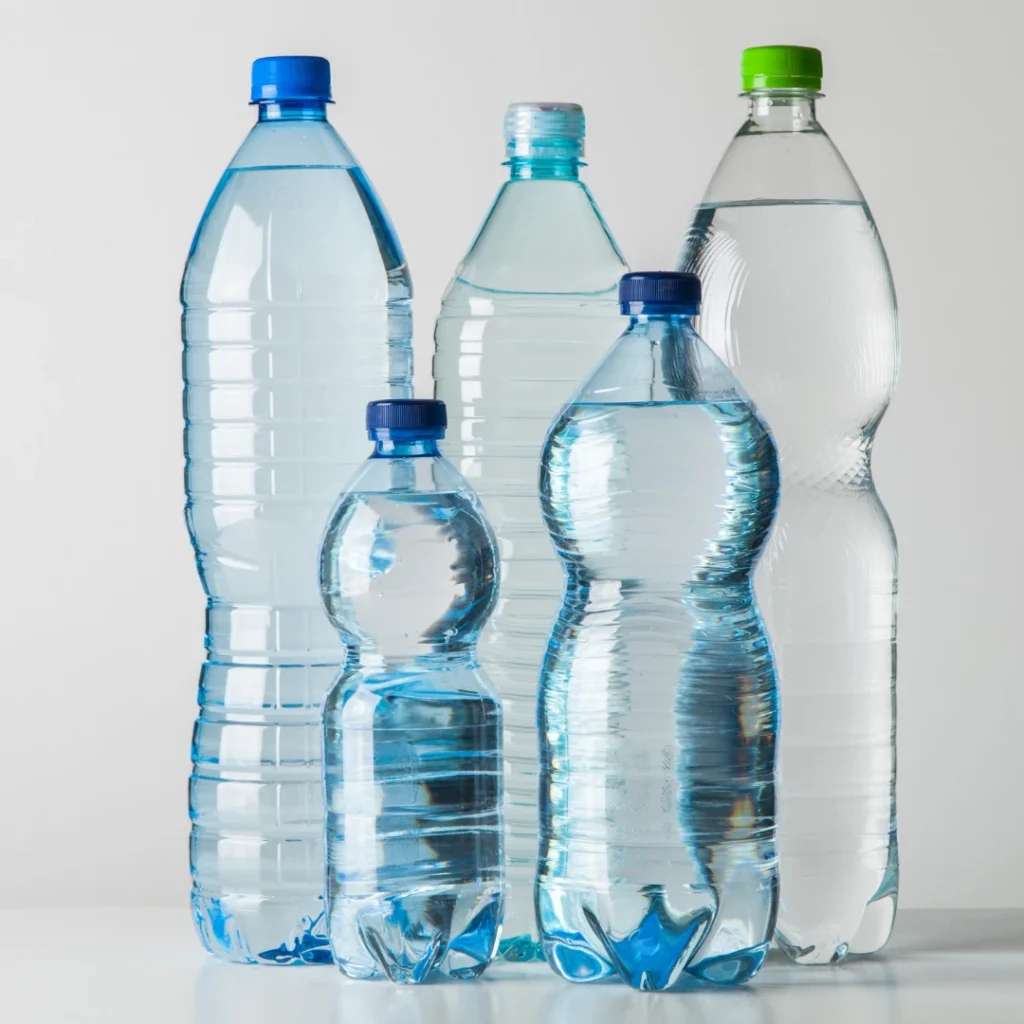
Plastic water bottles, especially when exposed to heat or sunlight, can release chemicals like BPA into water. Long-term exposure to these chemicals has been linked to hormone disruption and potential cancer risks.
Tips: Use glass, stainless steel, or BPA-free water bottles. Avoid leaving plastic bottles in hot environments.
6. Canned Food
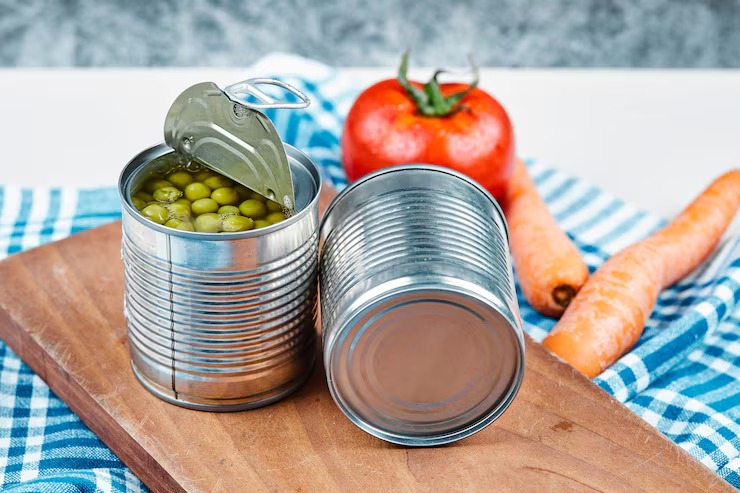
Many canned foods have a lining that contains BPA or similar chemicals, which may migrate into food. Consuming large amounts of canned food regularly could contribute to higher exposure to these harmful substances.
Tips: Opt for fresh, frozen, or glass-packed foods. Look for cans labeled BPA-free.
7. Scented Candles
Scented candles may release toxic chemicals like benzene and formaldehyde when burned. Inhaling these fumes frequently in enclosed spaces could irritate the lungs and increase long-term cancer risk.
Tips: Use unscented, natural wax candles, or consider essential oil diffusers for fragrance. Ensure proper ventilation when burning candles.
8. Plastic Cutting Boards

Plastic cutting boards can develop grooves from knife cuts, where bacteria and chemicals can accumulate. Some plastics may also contain additives linked to cancer.
Tips: Use wooden or bamboo cutting boards, which are naturally antibacterial and safer for long-term use.
9. Ultra-Processed Foods

Ultra-processed foods often contain preservatives, artificial colors, flavor enhancers, and high levels of sugar or refined flour. Regular consumption of these foods has been linked to obesity, inflammation, and an increased risk of certain cancers.
Tips: Focus on whole, minimally processed foods like fruits, vegetables, whole grains, and legumes. Cook fresh meals whenever possible.
Disclaimer: This article is intended for informational purposes only. It is not a substitute for professional medical advice, diagnosis, or treatment. Always consult a healthcare professional regarding concerns about diet, exposure to chemicals, or cancer risk.