9 Simple Rules for Raising Responsible, Independent and Confident Children
9 Simple Rules for Raising Responsible, Independent and Confident Children
Teaching children responsibility is one of the best ways to prepare them for adulthood. By involving kids in household chores and daily routines, parents not only equip them with vital life skills but also nurture their sense of independence, empathy, and confidence. Here are some straightforward strategies to instill responsibility in children while fostering emotional stability and resilience:
1. Start Small, Start Early
Young children are naturally eager to help. Begin with simple tasks like setting the table, watering plants, or tidying their toys. These small responsibilities give them a sense of accomplishment and build the foundation for larger tasks as they grow.

For toddlers, invite them to “help” with tasks they enjoy. For example, stirring batter, sorting laundry, or wiping spills.
2. Establish Routines and Habits
Consistency is key when teaching responsibility. Create morning and evening routines using visual charts or checklists to help children learn what is expected of them. For example, brushing teeth, making the bed, or packing their school bag.
Use colorful, fun charts that children can tick off daily. This reinforces habits and encourages independence.
3. Teach Through Chores
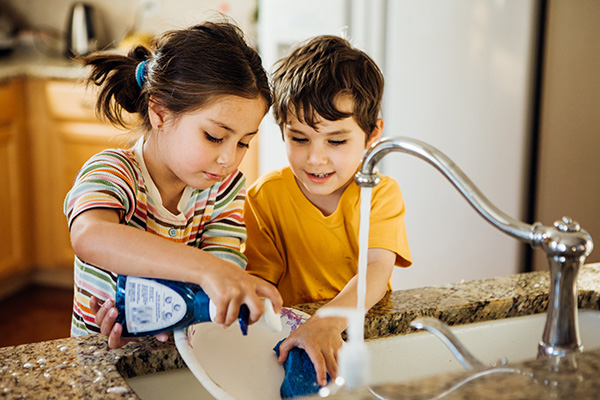
Chores are opportunities for growth, not just tasks. They teach collaboration, time management, and the value of contributing to the family. Assign age-appropriate tasks, such as:
• Toddlers: Sorting toys, carrying napkins.
• Preschoolers: Putting dirty clothes in the hamper, helping clear the table.
• Older kids: Taking out the trash, cooking simple meals, or mowing the lawn.
Highlight how their contributions make a difference to the family.
4. Use Technology as a Tool
Incorporating technology makes managing chores and routines easier and more engaging. Chore-management apps allow parents to assign tasks efficiently and track progress. These tools teach children responsibility and the value of consistency in a fun, interactive way.
Popular Apps: Apps like ChoreMonster, BusyKid, and Homey gamify tasks, turning them into enjoyable challenges.
5. Praise Efforts, Not Just Results
When children try to take on responsibilities, focus on their effort, even if the result isn’t perfect. If your child proudly dresses themselves in mismatched clothes, celebrate their effort instead of pointing out imperfections.
Offer specific praise like, “I’m so proud of how you tried to fold your clothes neatly!”
6. Promote Teamwork Through Family Activities
Completing tasks together strengthens family bonds and teaches cooperation. Simple activities like cooking a meal or cleaning a room as a team foster mutual respect, trust, and unity.
Rotate responsibilities among family members to ensure fairness and collaboration.
7. Model Responsible Behavior
Children learn best by example. Demonstrate responsibility in your actions, whether it’s completing your work on time, keeping promises, or taking care of household tasks diligently.
8. Encourage Problem-Solving
Let children handle minor challenges on their own, like figuring out how to organize their school supplies or completing a project. This helps build confidence and resilience.
9. Balance Fun and Responsibility
Responsibility doesn’t have to be boring. Gamify chores or introduce rewards for consistent efforts. For instance, create a star chart where kids earn rewards for completing tasks, fostering motivation and discipline.
Final Thoughts
Raising responsible, independent and confident children is a journey. By starting small, encouraging routines, and embracing technology as an ally, parents can create a supportive environment where children thrive. Chores and responsibilities are more than just tasks, they’re life lessons that prepare children for the future, helping them grow into self-sufficient, empathetic and capable individuals.