Are Figs Non-Vegetarian? Revealed Why Anjeer Isn’t Suitable For Vegans
Are Figs Non-Vegetarian? Revealed Why Anjeer Isn’t Suitable For Vegans
Figs, also known as anjeer, are often considered a healthy and delicious fruit but they have a surprising characteristic that makes them unsuitable for some vegans. While most plant-based foods are vegan-friendly, figs involve a unique pollination process that has led to an ongoing debate about whether they should be included in a vegan or vegetarian diet. Here’s why the simple fig is more complicated than it seems.
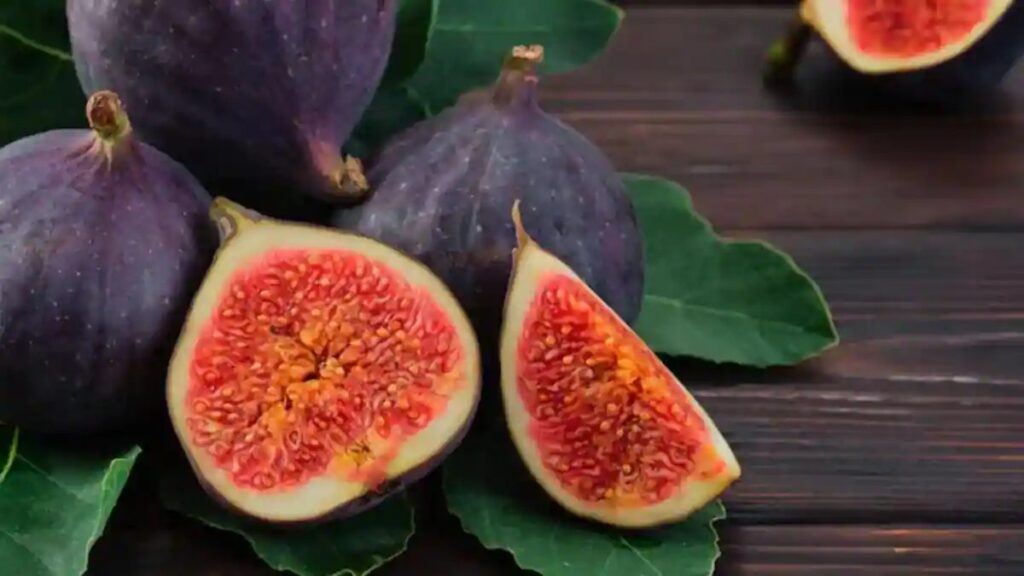
Figs are actually not technically fruits, but inverted flowers. Grown in regions with hot summers, such as Western Asia, North Africa, and Europe, they thrive in environments where they can ripen under the sun. The exterior of a fig can be purple or green, while the flesh inside is a reddish color. Though fresh figs are mostly water and carbohydrates, they can be eaten raw, dried or preserved. In India, dried figs are commonly enjoyed for their extended shelf life.
The confusion around figs being suitable for vegans stems from the method of their pollination. The fig plant has an extraordinary relationship with fig wasps, known as obligate mutualism. In this relationship, both species depend on each other for survival. A female fig wasp enters the fig through a small opening, losing her wings in the process. Once inside, she lays her eggs and dies. The eggs hatch, and the larvae become male wasps who mate with the females before creating escape tunnels. The males die inside the fig, while the fertilized females fly out to find new figs to continue the cycle.

The issue arises because every fig, in this pollination process, contains dead wasps. While the fruit’s enzymes break down the wasps’ bodies and exoskeletons, leaving no visible traces, this still raises concerns among some vegans. They argue that because the fruit involves the death of an insect, figs cannot be considered vegan. However, others view this as a natural process of reproduction and continue consuming figs, not considering it human intervention.
Interestingly, not all figs are pollinated by wasps. For example, common figs, which make up most of the U.S. fig production, are female and can self-pollinate, meaning no wasps are involved in their growth. Some fig varieties like San Pedro figs, rely on wasp pollination only for certain crops, making the question of whether they are vegan-friendly even more complicated.
To address the issue, modern agricultural techniques have been developed. In regions like the UK, farmers use plant hormones to induce fig ripening, bypassing the need for wasp pollination altogether. This approach offers a vegan-friendly alternative while allowing fig cultivation in cooler climates.
This inconsistency has also led some Jains, who avoid consuming anything involving the death of living beings, to steer clear of figs. While not all figs are produced through wasp pollination, it can be difficult to know for sure.
So next time you pick up a fig, you’ll understand why this seemingly simple fruit is at the center of so much controversy. Whether or not figs belong in a vegan diet depends on your perspective on natural processes versus human interference, but it’s clear that the story behind their pollination is far from straightforward.