Cloud Seeding: A Misguided Solution To Delhi’s Air Pollution Crisis
Cloud Seeding: A Misguided Solution To Delhi's Air Pollution Crisis
Cloud seeding, a technique that involves inducing rain to wash away pollutants, has been proposed as a solution to Delhi’s air pollution crisis. However, scientists at the Indian Institute of Tropical Management, Pune, say that this approach is misguided. According to Dr. Ghude, “Cloud seeding requires the presence of clouds, and without them, the process is simply not possible.” Unfortunately, Delhi’s winters are typically dry with minimal cloud cover, making seeding ineffective.
The success of cloud seeding is not guaranteed, as it heavily depends on pre-existing weather conditions and precise execution. During winter, Delhi often experiences temperature inversions, trapping pollutants near the surface. These stable atmospheric conditions do not favor the development of clouds that could be seeded. Even if a few isolated clouds could be seeded, it would not result in heavy or widespread rainfall. The effort required to generate sustained rainfall for effective pollution control is neither practical nor feasible.
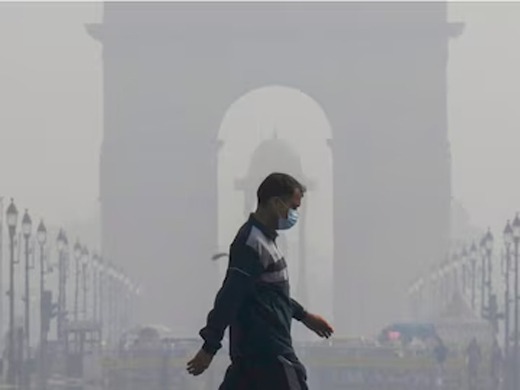
Delhi’s air pollution crisis is a complex problem that requires a comprehensive solution. The city’s poor air quality is caused by a combination of factors, including vehicular emissions, industrial activities, and the burning of waste and crop residue. Cloud seeding, even if it were effective, would only provide a temporary solution to the problem. It would not address the root causes of pollution and would not provide a long-term solution to the city’s air quality problems.

The Indian government has implemented various measures to tackle Delhi’s air pollution crisis, including the introduction of cleaner fuels, the promotion of electric vehicles, and the creation of a network of air quality monitoring stations. However, more needs to be done to address the scale and complexity of the problem. The government needs to take a more proactive and coordinated approach, involving multiple stakeholders and agencies, to effectively tackle the city’s air pollution crisis.
In conclusion, cloud seeding is not a viable solution to Delhi’s air pollution crisis. The technique is ineffective in the absence of clouds, and even if it were effective, it would only provide a temporary solution to the problem. The government needs to focus on addressing the root causes of pollution, including reducing emissions from vehicles and industries, and altering agricultural practices. Investments in cleaner technologies, stricter enforcement of environmental regulations, and raising public awareness about the health risks of air pollution are critical components of a comprehensive strategy to improve air quality in Delhi.