India’s 10 Largest Forts: A Journey Through History and Architectural Grandeur
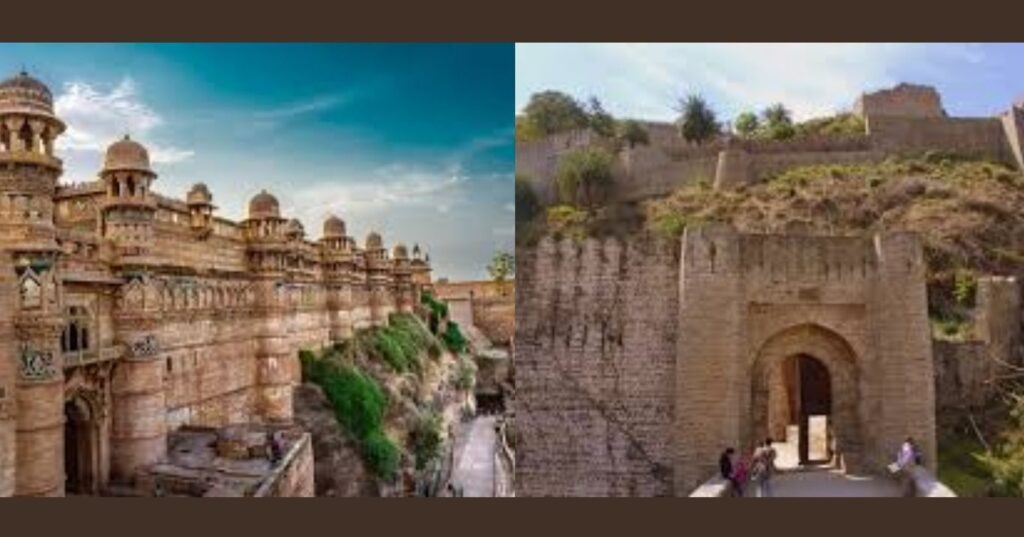
India's 10 Largest Forts: A Journey Through History and Architectural Grandeur
India’s forts stand as magnificent symbols of history, culture, and architectural brilliance. Spanning vast areas, they narrate tales of valor, power, and legacy. Here’s a list of the ten largest forts in India, highlighting their historical significance and sheer grandeur.
1. Raigad Fort
• Location: Raigad, Maharashtra

• Area: 1,300 acres
• Historical Significance: Expanded and renovated by Chhatrapati Shivaji Maharaj, Raigad Fort served as the capital of the Maratha Empire. Its strategic location and robust defenses made it a symbol of Maratha pride and resilience.
2. Mehrangarh Fort
• Location: Jodhpur, Rajasthan
• Area: 1,200 acres
• Historical Significance: Built by Rao Jodha in 1459, Mehrangarh Fort is one of India’s most well-preserved forts. Towering over Jodhpur, it offers a stunning view of the “Blue City” and houses a rich museum showcasing the Rathore dynasty’s heritage.
3. Amer Fort
• Location: Amer, Rajasthan
• Area: 988.42 acres
• Historical Significance: Constructed by Raja Man Singh, this majestic fort blends Hindu and Mughal architectural styles. Known for its intricate carvings and the iconic Sheesh Mahal, Amer Fort is a UNESCO World Heritage Site.
4. Golconda Fort
• Location: Hyderabad, Telangana
• Area: 788 acres
• Historical Significance: Originally built by the Kakatiya dynasty, Golconda Fort became a prominent seat of power under the Qutb Shahi dynasty. It is renowned for its acoustics, palaces, and the famous Golconda diamonds.
5. Gwalior Fort
• Location: Gwalior, Madhya Pradesh
• Area: 741 acres
• Historical Significance: Constructed by Suraj Sen Sardar, this hilltop fort is an architectural marvel. Known as the “Pearl of Fortresses,” it houses the iconic Man Singh Palace and several ancient temples.
6. Chittorgarh Fort
• Location: Chittorgarh, Rajasthan
• Area: 692–700 acres
• Historical Significance: Built by Chitrangada Mori, Chittorgarh Fort symbolizes Rajput valor and sacrifice. It is famed for its seven massive gates and historic tales of Rani Padmini’s valor.
7. Jaisalmer Fort
• Location: Jaisalmer, Rajasthan
• Area: 692 acres
• Historical Significance: Constructed by Raja Rao Jaisal, this “Golden Fort” is unique as a living fort, with a thriving community residing within its walls. It is an iconic symbol of Rajasthan’s desert heritage.
8. Kumbhalgarh Fort
• Location: Rajasthan
• Area: 662 acres
• Historical Significance: Built by Rana Kumbha, this fort is known for having the world’s second-longest wall after the Great Wall of China. It served as a refuge for Mewar rulers during sieges.
9. Kangra Fort
• Location: Kangra, Himachal Pradesh
• Area: 463 acres
• Historical Significance: Established by Raja Susharma Chanda, Kangra Fort is one of India’s oldest forts. It bears testimony to the region’s tumultuous history and breathtaking views of the surrounding valley.
10. Red Fort
• Location: Chandni Chowk, Delhi
• Area: 254 acres
• Historical Significance: Built by Shah Jahan, this UNESCO World Heritage Site served as the main residence of the Mughal emperors. Its imposing red sandstone walls and intricate interiors make it an enduring symbol of India’s history.
These forts, with their sprawling dimensions and historical significance, are a must-visit for history enthusiasts and travelers alike. They stand as reminders of India’s rich and diverse heritage, showcasing the architectural brilliance and resilience of the country’s rulers.