The Rising Threat: How Expanding Pigeon Populations Are Impacting Urban Health
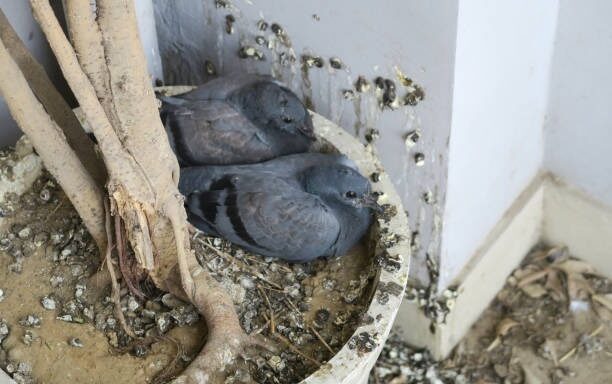
City Pigeons Pose Silent Threat: Bird Droppings Linked to Serious Lung Diseases
The growing population of pigeons in urban areas is becoming an increasing concern, affecting public health, infrastructure, and the environment. While these birds have long been a familiar sight in cities, their rising numbers are leading to significant challenges that demand immediate attention.
Health Risks on the Rise
Pigeon droppings contain harmful bacteria and fungi that can cause respiratory illnesses such as histoplasmosis and psittacosis. Medical experts warn that prolonged exposure to pigeon-infested areas can trigger allergies and respiratory problems, particularly among children and the elderly. The fine dust from dried droppings, when inhaled, poses additional health hazards.
Damage to Buildings and Infrastructure
The acidic nature of pigeon droppings accelerates the deterioration of buildings, monuments, and public spaces. Over time, this can weaken structures, leading to costly repairs. Additionally, nests built in ventilation systems, rooftops, and drainage pipes often cause blockages and damage, affecting urban infrastructure.

Disrupting the Ecosystem
An unchecked rise in pigeon populations disrupts the natural balance of urban wildlife. These birds often outcompete smaller native species for food, leading to a decline in biodiversity. Experts also point out that feeding pigeons in public areas encourages overpopulation, making the problem worse.
The Response: Bans and Awareness Campaigns
As a consequence of these health problems, cities in Maharashtra, including Pune, have imposed restrictions on feeding pigeons in public areas. These measures aim to limit areas where pigeons cluster, thereby reducing human exposure to potentially toxic waste. While this is an encouraging step, raising awareness is equally critical. Educating the public about the health risks associated with pigeons and the importance of maintaining clean environments is essential. Effectively managing pigeon populations in a humane and sustainable manner is crucial for achieving long-term solutions.
Protecting Yourself from Pigeon-Related Hazards
For those living in areas with high pigeon populations, taking certain precautions can help reduce risks:
- Avoid Feeding Pigeons: Refrain from feeding pigeons to prevent them from gathering around residential areas.
- Seal Entry Points: Block off balconies, air-conditioning vents, and air-duct spaces to prevent pigeons from nesting indoors.
- Regular Cleaning: Clean droppings and nesting materials frequently while using protective gear to minimize exposure to harmful particles.
- Install Deterrents: Use physical deterrents like nets or spikes to prevent pigeons from settling on windowsills and rooftops.
- Monitor Respiratory Symptoms: If experiencing chronic coughing or difficulty breathing, seek medical advice.
A Call for Collective Action
The increasing density of street pigeons highlights the delicate balance between urban living and public health. Addressing this issue requires collaboration between city officials, health professionals, and the community. Sustainable solutions, combined with public awareness efforts, are key to ensuring safer and healthier urban environments.
Ensuring our ability to breathe clean air is just as important as maintaining the equilibrium of shared spaces. By working together, we can create cities that are both livable and free from preventable health hazards.