When Chhatrapati Sambhaji Maharaj Almost Captured Goa: A Tale of Betrayal, Bravery, and Strategic Brilliance
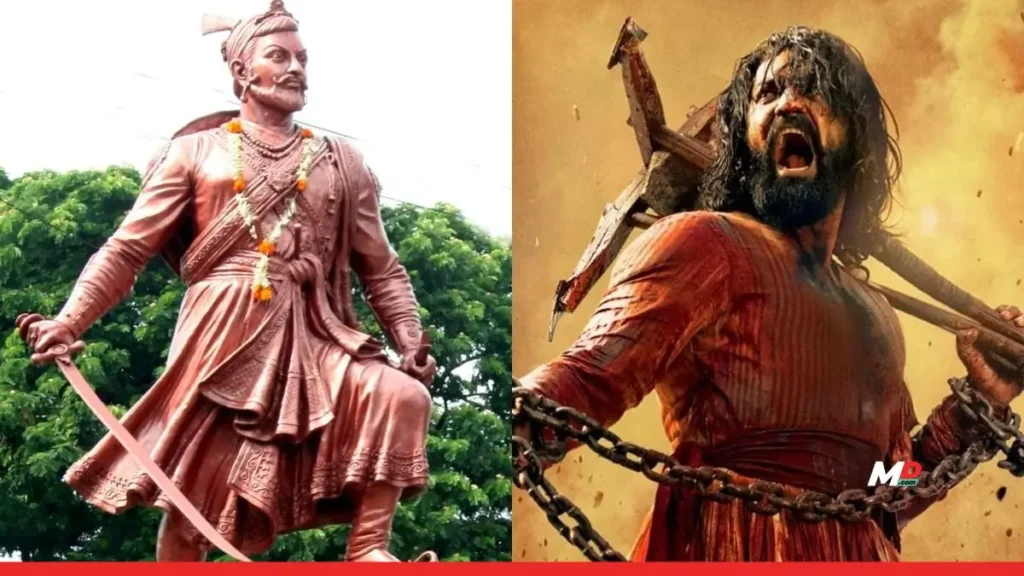
When Chhatrapati Sambhaji Maharaj Almost Captured Goa: A Tale of Betrayal, Bravery, and Strategic Brilliance
In 1683, Chhatrapati Sambhaji Maharaj came within striking distance of reclaiming Goa from the Portuguese. Though fate halted the final blow, the campaign redefined India’s fight against colonial power.
The Backdrop: Resistance in the Konkan
By the late 17th century, Portuguese control over Goa and Salcete was absolute, their religious conversions complete by 1667. But cracks had begun to form. Chhatrapati Shivaji Maharaj, founder of Swarajya, had begun striking Portuguese holdings before his passing in 1680. The dream of liberation didn’t die with him, it grew fiercer under his son, Chhatrapati Sambhaji Maharaj.
Allies Turned Enemies
Initially, Sambhaji sought peace. Still embroiled in a succession struggle, he maintained diplomatic relations with the Portuguese. But when Mughal prince Akbar sought refuge with Sambhaji, the Marathas became enemy number one for Aurangzeb.

In 1681, Aurangzeb and the Portuguese formed an alliance. The Mughal general Bahadur Khan, aided by Portuguese ships and supplies, attacked Kalyan, a vital Maratha port. In return, the Portuguese eyed total annexation of the Konkan.
What began as politics soon became deeply personal for Sambhaji.
Sambhaji’s Response: Total War
By 1683, Sambhaji retaliated. Utilizing guerrilla tactics, he dismantled Mughal supply chains and forced a retreat. Then, turning his full attention to the Portuguese, he launched a coordinated strike in July 1683.
His forces simultaneously attacked:
- Forts of Cheul and Korlai
- Janjira, controlled by Mughal allies
- Vasai, where grain stockpiles were burned
- Parsik Fort, which fell swiftly
Supported by Peshwa Nilkanth Moreshwar, the Marathas pushed deep into Portuguese territory. Despite being outnumbered, veteran commander Yesaji Kank held the line.
Then came the masterstroke.
November 1683: The Turning Point
As Portuguese resistance stiffened, Sambhaji personally arrived with 8,000 cavalry and 1,500 infantry. On November 9, during the crucial siege at Cheul, he led a cavalry charge with 600 reinforcements. The Marathas turned the tide and forced the Portuguese into full retreat.
Viceroy Alvor fled, only narrowly escaping as Khando Ballala saved Sambhaji’s horse from being washed away.

December 1683: The Goa Campaign
Sambhaji, now in full momentum, led his largest campaign:
- 6,000 cavalry, 10,000 infantry
- Maratha flags rose over Bardez, Salsette, Tivim, Karanja, and Elephanta
- Portuguese forts crumbled
- Churches were repurposed as military bases
- Jesuits and European soldiers led a desperate defense
Portuguese forces were disarmed and humiliated. Goa was next.
The Final Decision
As Sambhaji prepared the final assault on Goa, fate intervened. A massive Mughal force under Shah Alam, 100,000 strong, descended upon Konkan.
Sambhaji chose wisdom over conquest. Risking entrapment between Mughals and Portuguese, he withdrew to preserve Swarajya.
Legacy of the Campaign
Though Goa remained uncaptured, Sambhaji shattered Portuguese dominance. Their alliance with Aurangzeb was exposed. Their forts lay in ruin, their pride forever bruised.
What the inquisition-era colonizers had never faced before a united Indian resistance led by a daring king, was now etched in history.
Chhatrapati Sambhaji Maharaj did not just wage war, he delivered a message of defiance that echoed far beyond the Konkan coast.