Pune: 17-Year-Old Girl Dies After Snakebite, Family Alleges Delay and Negligence in Medical Care
Pune: 17-Year-Old Girl Dies After Snakebite, Family Alleges Delay and Negligence in Medical Care
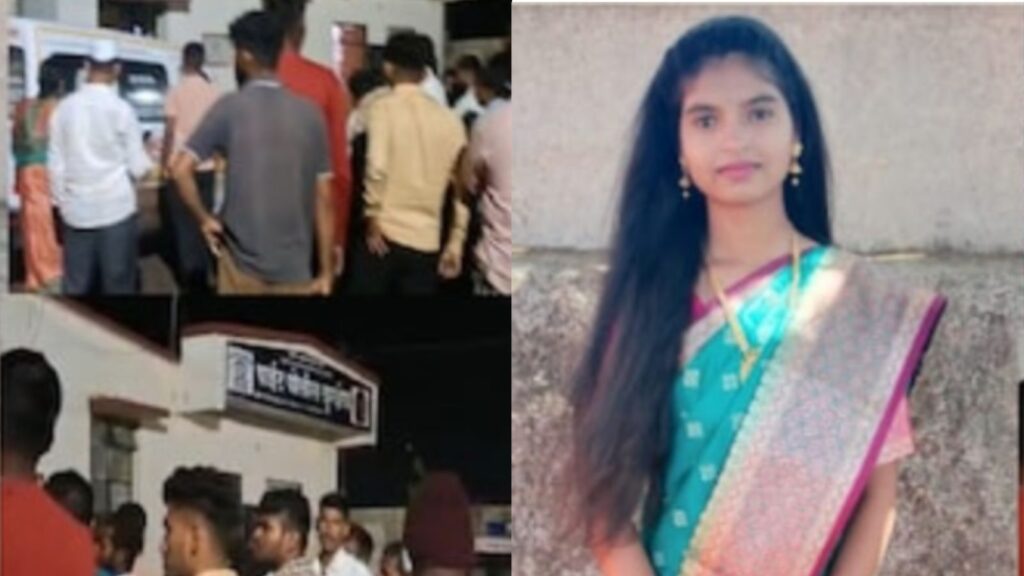
A tragic incident has come to light from Aadgaon village in Khed Taluka of Pune district, where a 17-year-old girl lost her life following a snakebite. The family alleges that the lack of timely medical intervention, unavailability of doctors, and poor healthcare infrastructure in rural hospitals contributed directly to her death. The heartbreaking event has sparked outrage and raised serious concerns about the state of emergency healthcare in rural areas.
The victim, identified as Pranjal Tukaram Gopale, was reportedly bitten by a venomous snake around 9 AM on Friday, 16th May 2025, while she was cutting fodder for cattle near her home. Acting swiftly, her family rushed her to the nearest medical facility — the Paith Primary Health Centre — using a private vehicle. However, they were shocked to learn that there were no doctors available at the center at the time.
From there, Pranjal was taken to the Chandoli Rural Hospital around 10:30 AM, where she received only basic first aid. The medical staff, recognizing the seriousness of her condition and the need for intensive care, decided to refer her to Yashwantrao Chavan Memorial Hospital (YCMH) in Pimpri-Chinchwad for further treatment.

Despite the urgency, the ambulance provided under the 108 emergency service lacked both a medical team and essential life-saving equipment. To make matters worse, another patient — a woman in labor — was also being transported in the same ambulance. Although oxygen was available in the vehicle, it was not administered to Pranjal. Tragically, she passed away in transit, near Chikhli, before reaching YCMH.
The incident has left the family devastated. “Had she received the right treatment at the right time, she might have survived,” her relatives expressed in anguish. They have also filed an official complaint with the Mahalunge MIDC Police Station, alleging negligence and failure of the public healthcare system.
Further adding to the confusion, Taluka Medical Officer Dr. Vilas Mane reportedly stated that “the patient was never brought to the Paith Primary Health Centre,” a claim that contradicts the family’s version of events.
This devastating case has highlighted the critical gaps in rural healthcare systems — including the lack of anti-venom stock, absence of qualified medical staff, and inadequately equipped ambulances. It has also raised urgent questions about accountability and emergency preparedness, especially in cases where every minute counts.