This Indian Village Isn’t on Google Maps, Has No Hotels – Yet Attracts Tourists from Around the World
This Indian Village Isn’t on Google Maps, Has No Hotels – Yet Attracts Tourists from Around the World
When people plan a trip to India, they often envision famous cities, iconic monuments, or serene hill stations. But beyond these well-trodden paths lie India’s rural heartlands rich in culture, heritage, and natural beauty. Among these is a virtually unknown village that’s quietly making waves on the global tourism map despite not appearing on Google Maps and lacking traditional infrastructure like hotels.
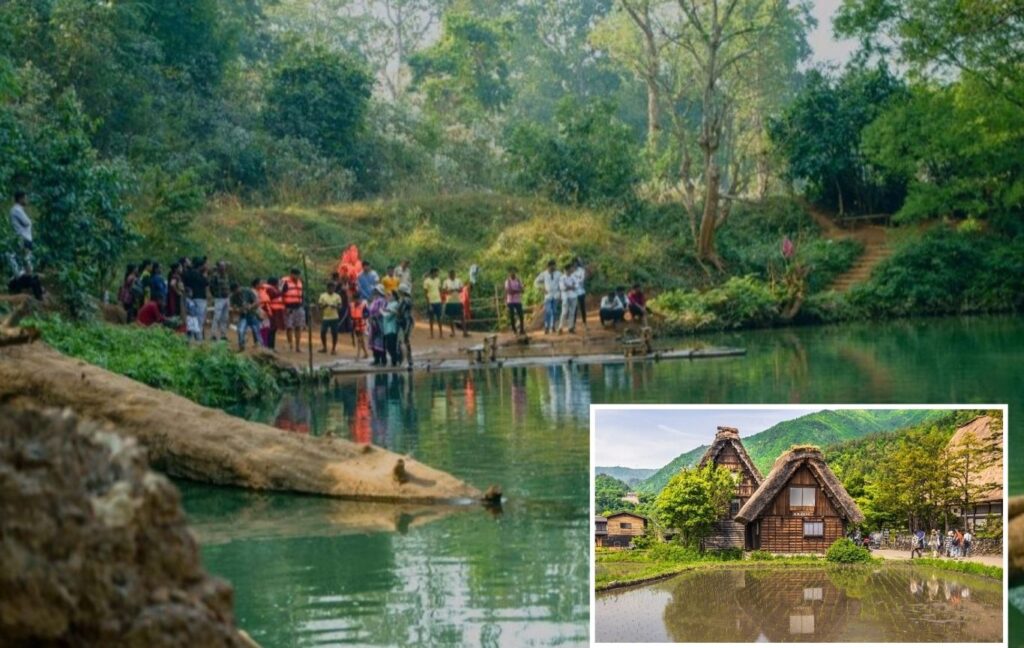
Nestled in the Bastar district of Chhattisgarh, the village of Dhudmaras has emerged as an unlikely tourism hotspot. This remote settlement, surrounded by forested hills and a gentle river, has been recognized by the United Nations World Tourism Organization (UNWTO) under its Best Tourism Villages Upgradation Program, bringing it international acclaim.
A Cultural and Ecological Retreat
What sets Dhudmaras apart is its untouched beauty and deep-rooted tribal traditions. Home to the Dhurwa tribe, the village is surrounded by dense forests, scenic hills, and serene landscapes that offer a peaceful escape from the chaos of urban life. Despite its lack of a digital footprint it’s not listed on Google Maps and doesn’t fall under standard village classifications Dhudmaras is capturing hearts around the world.

No Hotels, Yet Tourists Keep Coming
Foreign tourists, in particular, are increasingly drawn to this eco-conscious and culturally immersive destination. In place of hotels, visitors stay in traditional homestays built with local materials like bamboo, red bricks, and stones. Meals are cooked using ingredients sourced from the forest, giving guests a true taste of Bastar’s culinary traditions.
The entry to the village is marked by a rustic gateway reading “Dhurwa Dera”, honoring the indigenous community that has preserved its way of life for generations.
Tourism That Empowers Locals
Tourism here is more than just an economic boost it’s a model of sustainable, community-driven growth. Locals host guests in their homes and act as guides, narrating the stories and history of the land. Youths from the village have found purpose and income by showcasing their heritage to outsiders.
To support this growing interest, Dhudmaras has added essential facilities such as clean restrooms and waiting areas. With around 40 families residing in the village, its size may be small, but its impact is significant.
Nature Adventures Along the Kanger River
Adding to the village’s appeal is the nearby Kanger River, which eventually joins the Sabari River. The scenic waterway invites visitors to indulge in eco-friendly adventures such as bamboo rafting, kayaking, trekking, and birdwatching. The tranquil environment, complemented by the chirping of birds and rustling of leaves, creates a serene retreat that’s hard to forget.
Families and nature lovers increasingly see Dhudmaras as an ideal weekend getaway a rare destination that offers both simplicity and depth.
An Experience Beyond the Map
Despite having no online presence or luxury amenities, Dhudmaras has proven that authenticity, community, and nature are powerful tourism draws. As the world turns toward sustainable travel and meaningful experiences, this village stands as a shining example of how even the most remote places can find their way into the global spotlight without ever needing to be pinned on a map.
So if your heart seeks a destination untouched by commercialization and rich in spirit, Dhudmaras might just be your next unforgettable journey where the road ends, and discovery begins.
Also Read