5 Fascinating Creatures That Can Live for Over 100 Years
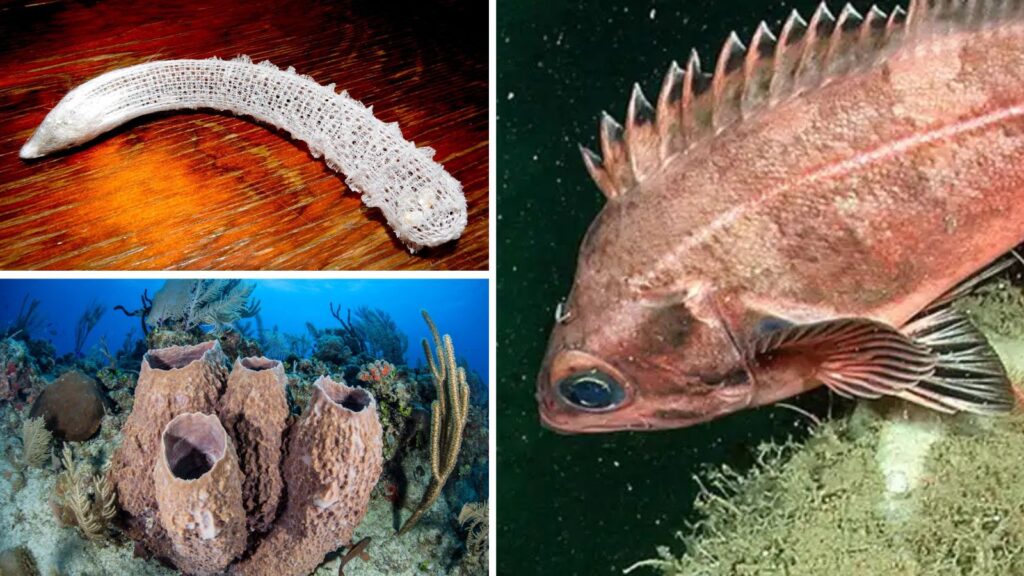
5 Fascinating Creatures That Can Live for Over 100 Years
What if living for centuries wasn’t just a fantasy reserved for legends and fairy tales? In the natural world, some creatures seem to defy time itself. These animals live at a pace very different from ours—slow, steady, and incredibly long. They’ve evolved in ways that allow them to thrive in extreme conditions, from freezing Arctic waters to the still darkness of the deep sea. Their extraordinary lifespans are not only awe-inspiring but also help scientists unlock secrets about aging, survival, and the resilience of life.
Here are five remarkable animals that don’t just grow old—they become living time capsules of our planet’s past.
1. Glass Sponges

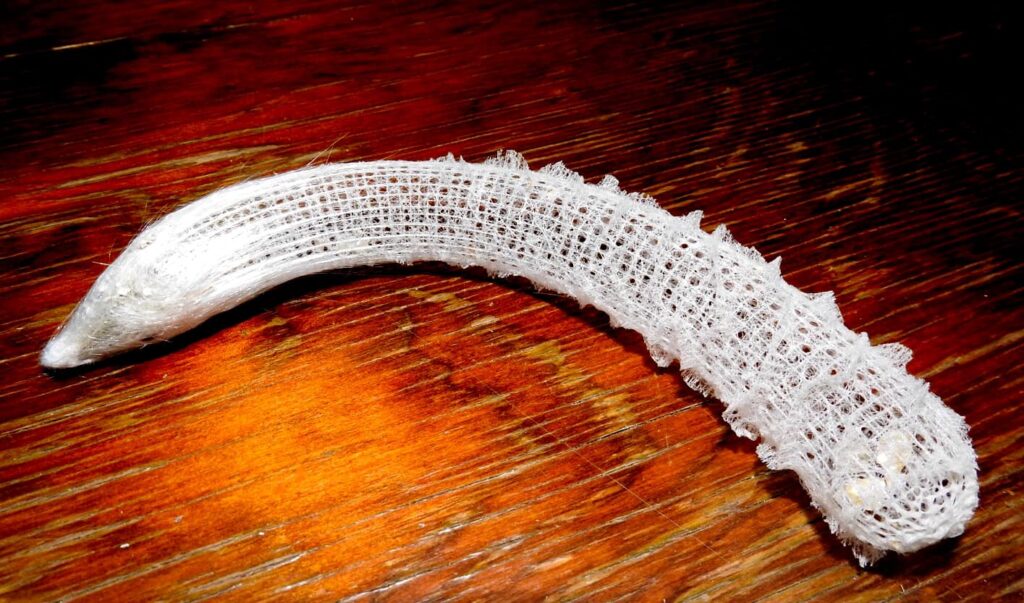
Far below the ocean’s surface, glass sponges quietly grow on the seafloor. Their skeletons are made of silica, giving them a delicate, glass-like appearance. But don’t be fooled by their fragile looks—some of these sponges have been around for over 10,000 years. Their slow growth and stable habitat in cold, deep waters allow them to reach such ancient ages. Acting like natural water filters, they play a key role in cleaning the deep sea, although they’re vulnerable to damage from activities like deep-sea fishing.
2. Black Coral
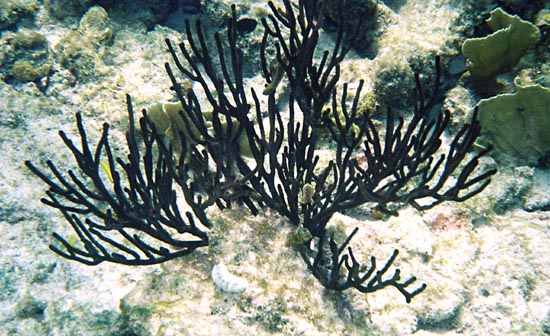
Black coral doesn’t resemble the colorful coral reefs most people are familiar with. Instead, it grows like dark, underwater branches in deep ocean waters where sunlight barely touches. These mysterious corals can live for thousands of years, slowly building intricate structures that offer shelter to countless marine creatures. Despite their importance, black corals are often harvested for jewelry, which puts their survival at risk. Because they grow so slowly, even minor disturbances can have long-lasting effects.
3. Giant Barrel Sponges
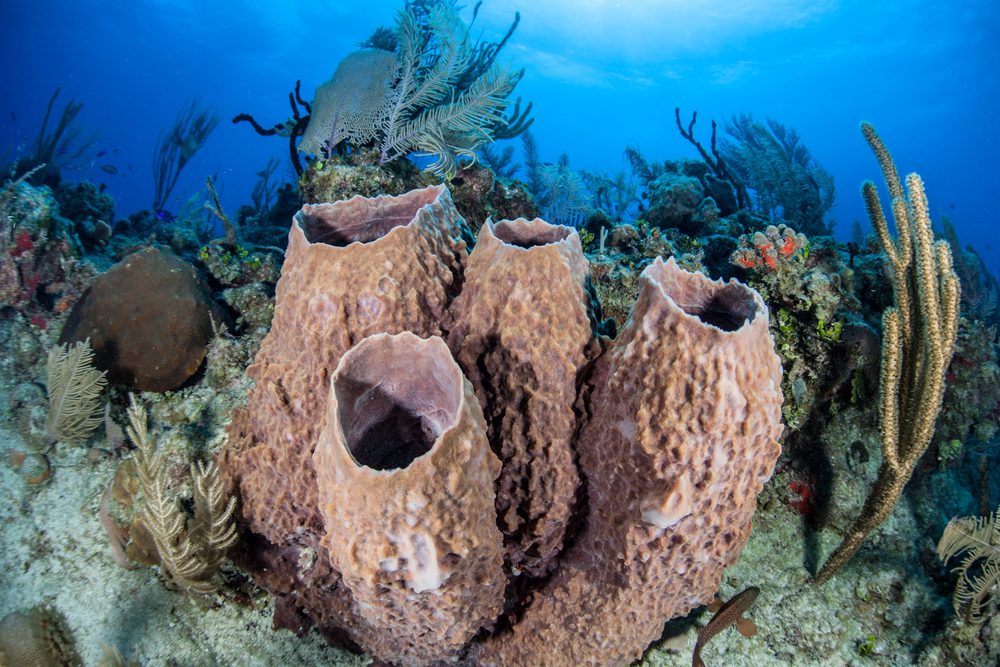
With their massive, barrel-shaped bodies and deep reddish tones, these sponges are a familiar sight on tropical coral reefs. Some have been living for over a thousand years, quietly filtering seawater and supporting marine ecosystems. Their impressive size and age have earned them the nickname “redwoods of the reef.” Like the trees they’re compared to, they provide stability and shelter for many smaller reef species.
4. Greenland Sharks
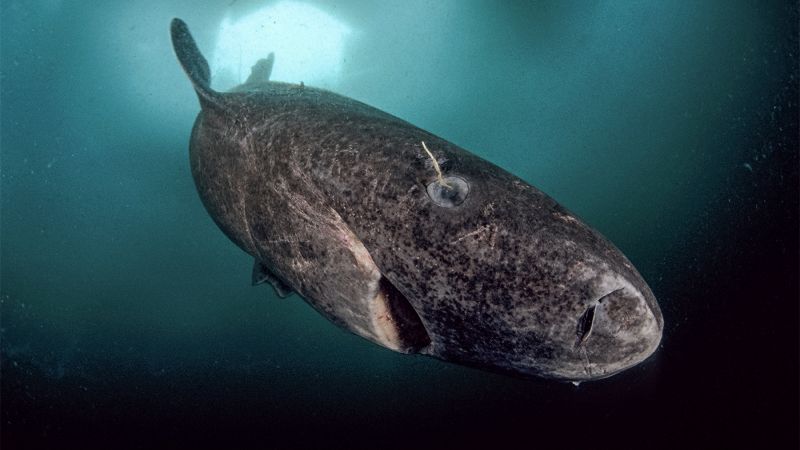
In the icy depths of the North Atlantic, the Greenland shark swims at a slow, steady pace—just like the way it ages. These sharks are among the longest-living vertebrates on Earth, with lifespans reaching up to 500 years. They don’t even reach maturity until they’re around a century old. Their slow metabolism helps them survive in the cold, dark waters of the Arctic for centuries, making them living witnesses to centuries of ocean change.
5. Rougheye Rockfish

With a lifespan of up to 200 years, the rougheye rockfish is one of the oldest known fish in the Pacific Ocean. Found in deep, cold waters, it grows slowly and plays a key role in the marine food chain, preying on shrimp, small fish, and crabs. Its remarkable longevity helps it adapt to the harsh, pressurized environment of the deep sea—and also makes it especially vulnerable to overfishing.