Is Your Tap Water to Blame for Acne and Irritation? Here’s What To Know
Is Your Tap Water to Blame for Acne and Irritation? Here’s What To Know
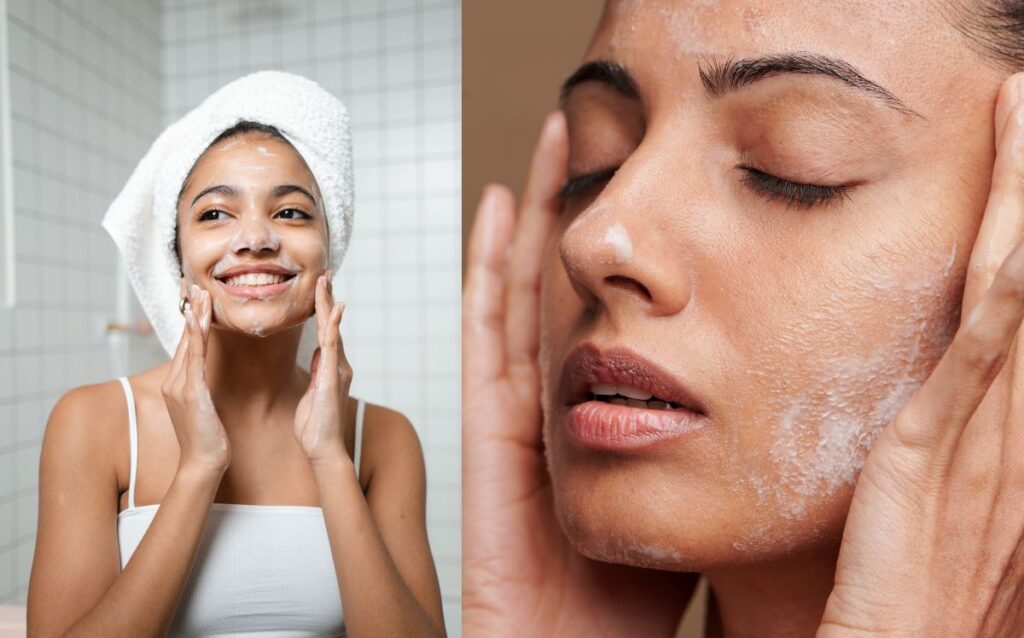
It’s something we all do every morning, splash our face with water to feel fresh and clean. But what if that simple habit is secretly making your skin worse? Experts say that using tap water to wash your face might be doing more harm than good, all because of one small thing most of us never think about: pH levels.
So, what’s really going on? Let’s break it down.
The Hidden Problem with Tap Water

Your skin has something called a pH level, it’s a way to measure how acidic or alkaline it is. Healthy skin usually sits around a pH of 4.7, which means it’s slightly acidic. This natural acidity helps your skin stay smooth, hydrated, and protected from bacteria.
But here’s the catch, tap water usually has a pH between 7 and 8, which is much more alkaline. Every time you wash your face with tap water, you’re basically raising your skin’s pH level and stripping away its natural protective barrier. That can lead to dryness, tightness, and even breakouts.
And it doesn’t stop there. Depending on where you live, your tap water might be hard or soft. Hard water has a lot of minerals like calcium and magnesium. These minerals can clog pores, make skin feel rough, and irritate conditions like eczema or psoriasis. Soft water, on the other hand, can sometimes make it harder to wash off products completely, leaving residue behind.

Why “Just Water” Isn’t Always Better
Many people believe skipping skincare products and simply rinsing with water is a healthy choice, fewer chemicals, fewer breakouts, right? But experts say that’s a big mistake. Water alone can’t clean away oil, makeup, or pollution that builds up on your skin during the day. In fact, using only tap water can make your skin drier, and your body might respond by producing even more oil. The result? Shiny skin, clogged pores, and more pimples.
So, if you’re wondering why your skin still feels dry, oily, or irritated even when you “keep it natural,” your tap water might be the real troublemaker.
How to Protect Your Skin from Tap Water Damage
Don’t worry, you don’t need to give up washing your face. You just need to be a little smarter about how you do it. Dermatologists suggest using a gentle, pH-balanced cleanser instead of plain water. These cleansers are designed to work with your skin’s natural pH, not against it. After cleansing, applying a toner can help restore balance and calm any irritation.
If you’re curious about your water quality, you can even test it at home using a pH or hardness kit. And if it turns out your water is on the harder side, you might want to invest in a shower filter, it can make a big difference over time.
Some people even swear by using bottled water or milk for face washing. Milk, interestingly, contains fats and proteins that can soothe and hydrate skin, though that might be a bit messy for everyday use!
Your Skin Loves Balance
Your skin is an amazing organ, it protects you from dirt, bacteria, and pollution every single day. But it’s also delicate. When its pH balance is disturbed, it can’t do its job properly. That’s why it’s important to treat your skin kindly: cleanse gently, stay hydrated, wear sunscreen, and don’t underestimate what’s in your tap. So, the next time you splash that “refreshing” cold water on your face, remember, it might not be as innocent as it seems.
Disclaimer: This article is for general informational purposes only and is not a substitute for professional medical or dermatological advice. If you experience persistent dryness, irritation, or other skin issues, please consult a qualified healthcare provider or dermatologist.