Where Land Floats, Deer Dance, and Nature Breathes—Manipur’s Keibul Lamjao National Park
Where Land Floats, Deer Dance, and Nature Breathes—Manipur’s Keibul Lamjao National Park
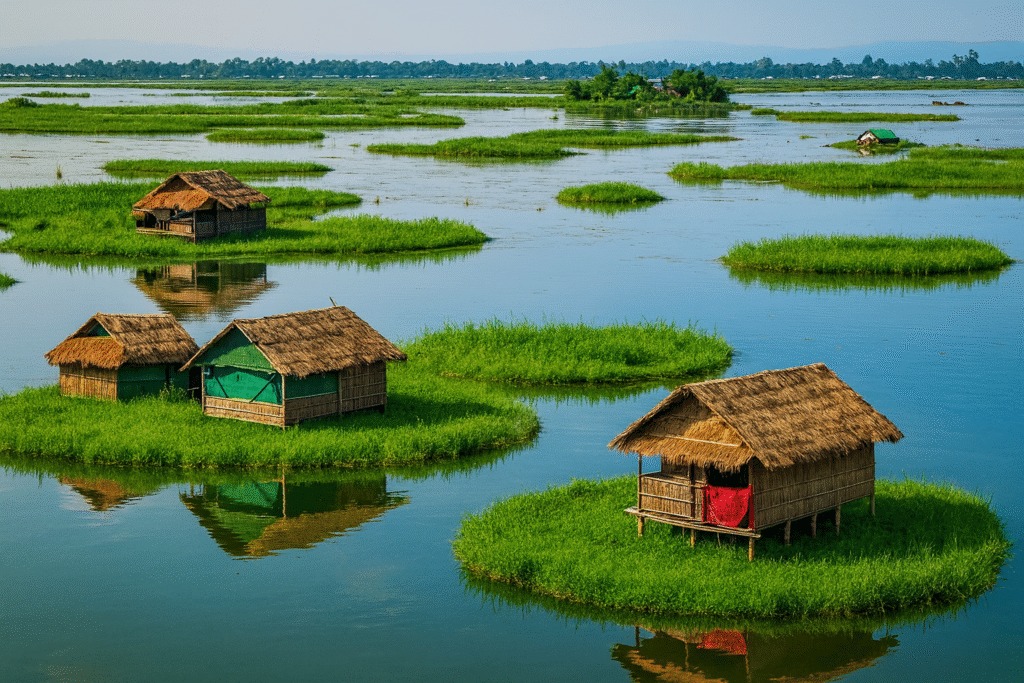
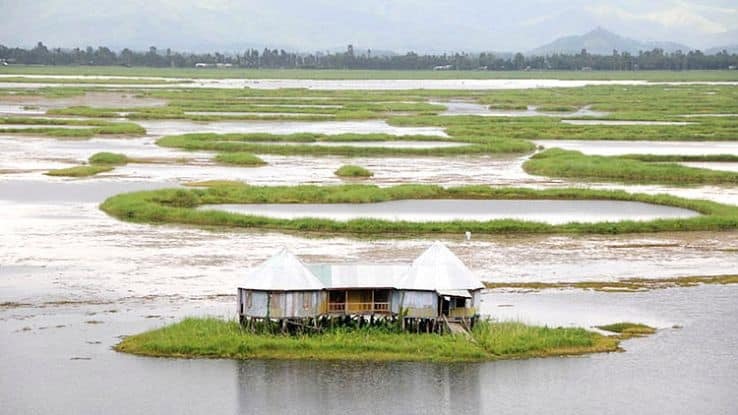
India is home to many unique natural wonders, but few are as extraordinary as Keibul Lamjao National Park, the world’s only floating national park. Nestled in the Bishnupur district of Manipur, this ecological marvel rests on the shimmering waters of Loktak Lake, often referred to as the “lifeline of Manipur.” What makes it truly special is that the park literally floats — thanks to its thick, tangled mats of vegetation known as phumdis.
A Floating Wonder of Nature
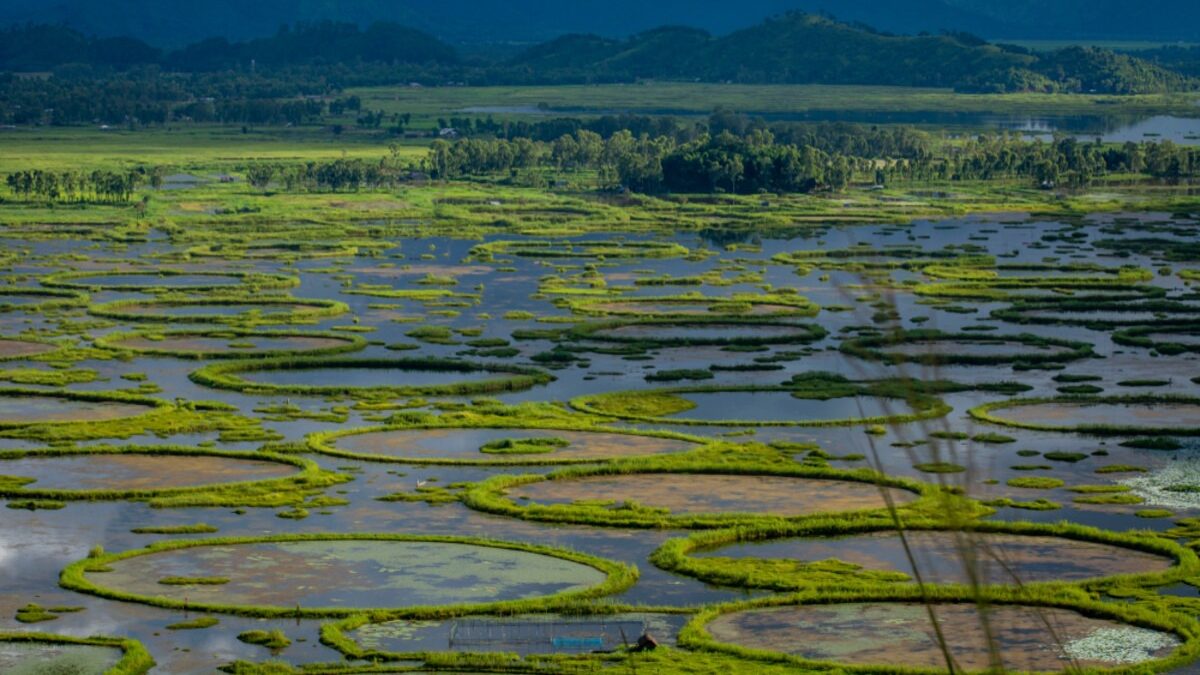
Keibul Lamjao National Park covers an area of about 40 square kilometers and is entirely composed of these phumdis — masses of soil, organic matter, and vegetation that float on the surface of the lake. These formations create a semi-solid ground capable of supporting the weight of animals, making it a rare and delicate ecosystem unlike any other in the world.
Loktak Lake, where the park is situated, is not just a scenic spot but also a vital resource for the local communities. It provides water for irrigation, drinking, and hydropower generation, while also serving as a habitat for countless aquatic species and migratory birds.


Home to the Rare Sangai Deer
The most iconic resident of Keibul Lamjao National Park is the Sangai deer (Rucervus eldii eldii), also known as the dancing deer of Manipur. Recognized for its elegant gait as it walks on the soft, floating ground, the Sangai is an endangered species and the state animal of Manipur. Once thought to be extinct in the 1950s, it was later rediscovered in this park, which led to dedicated conservation efforts to protect its fragile habitat.
The park’s entire conservation significance revolves around safeguarding this rare species and ensuring the delicate balance of the phumdis ecosystem.
Biodiversity and Ecology
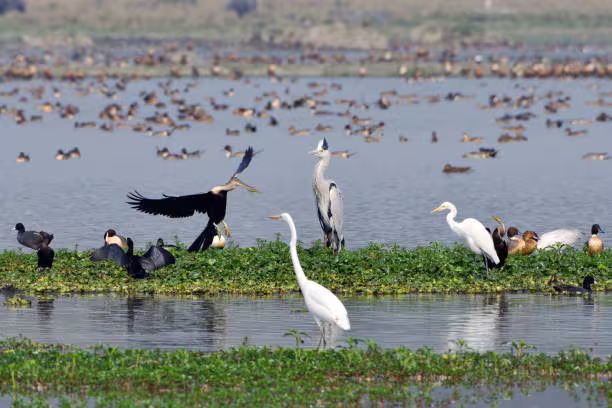
Beyond the Sangai, the park is home to several other species, including hog deer, wild boars, otters, and a wide variety of migratory birds. The floating vegetation also supports aquatic plants like water lilies and lotus, creating a vibrant and colorful landscape.
During the monsoon season, the water levels in Loktak Lake rise, causing the phumdis to float freely. In the dry months, they sink slightly and absorb nutrients from the lakebed, showcasing nature’s perfect recycling system.
Challenges and Conservation Efforts
Despite its beauty, Keibul Lamjao faces several ecological threats, including pollution, siltation, and the changing water levels caused by hydropower projects. The delicate phumdis are deteriorating in thickness and strength, putting the entire ecosystem — and the Sangai population — at risk.
To counter these challenges, the government and local organizations have been working together to restore the park’s balance through eco-conservation projects, awareness campaigns, and sustainable tourism initiatives.
A Must-Visit Destination for Nature Lovers
For those seeking an offbeat travel experience, Keibul Lamjao National Park offers a rare glimpse into the harmony of water, land, and wildlife. Visitors can take boat rides across Loktak Lake to witness the floating islands up close and catch sight of the graceful Sangai deer in its natural habitat.
This serene, floating paradise stands as a symbol of resilience — a reminder of how nature, when nurtured, can create wonders beyond imagination.
Keibul Lamjao National Park isn’t just the pride of Manipur; it’s a treasure of the world — the only place where land floats, deer dance, and nature thrives in perfect rhythm.