Marriage Benefits: Study Finds Companionship May Be the True Key to Healthy Ageing especially for Men
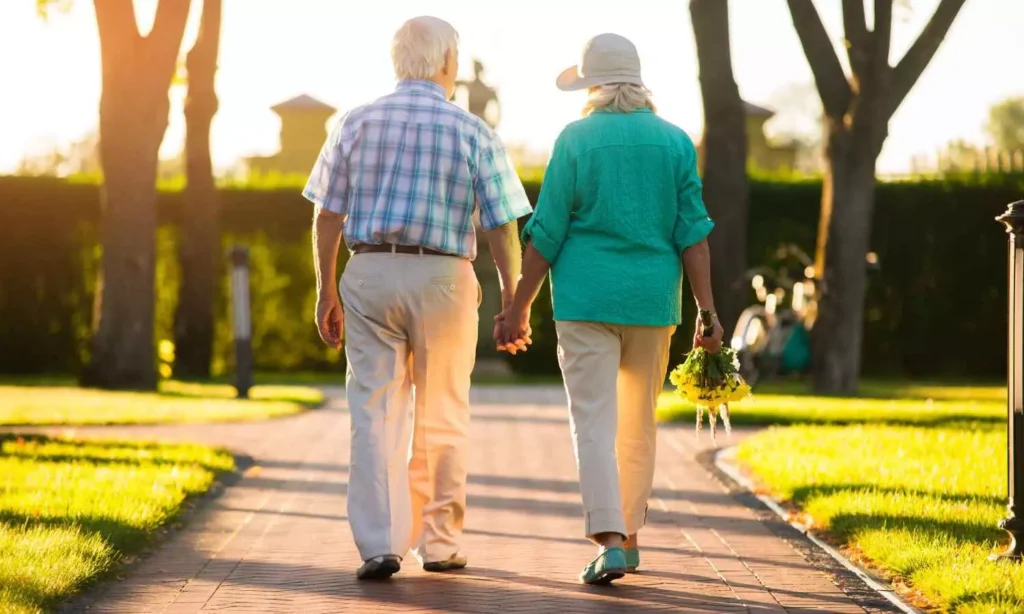
Marriage Benefits: Study Finds Companionship May Be the True Key to Healthy Ageing especially for Men
Researchers say emotional connection, not marital status, determines long-term well-being.
Marriage has long been viewed as a source of love, stability, and longevity. But a new study published in International Social Work challenges that assumption, showing that while men tend to gain major health benefits from marriage, women may not experience the same outcomes — and in some cases, single women age better.
The research analysed data from over 7,000 adults aged 60 and above to assess how marital status impacts “successful ageing”, defined as maintaining good physical health, emotional stability, and strong social connections. Participants were grouped into six categories: newly married, continuously married, newly unmarried, continuously divorced or separated, continuously widowed, and never married.
Marriage supports men’s ageing — but not women’s
The study found that married men were four times more likely to age successfully than unmarried men. They showed better longevity, emotional well-being, and overall physical health. However, when men experienced divorce, separation, or widowhood, their health and happiness declined sharply, resembling that of those who had never married.

For women, the results were notably different. Married, divorced, or widowed women were less likely to experience successful ageing compared to women who had never married. Researchers suggested that emotional stress, caregiving responsibilities, and social pressures within marriage could contribute to this difference. In contrast, single women tended to display greater independence and mental balance.
Why marriage affects men and women differently
Experts believe men benefit more from marriage because they often rely heavily on their spouses for emotional support, companionship, and motivation to maintain healthy lifestyles. Married men are also more likely to eat well, seek medical care, and avoid risky habits.
Women, however, often shoulder greater domestic and caregiving burdens, which may increase stress and limit personal time for self-care. Many women also cultivate wider social networks outside marriage, allowing them to find emotional support and fulfilment independently.
Companionship matters more than marital status
The study emphasised that quality companionship — not marriage itself — is the real driver of healthy ageing. Whether through a partner, family, or close friendships, strong social connections reduce loneliness, improve mental health, and even strengthen immunity..

Around 70% of participants met the standards for “successful ageing”, suggesting that factors such as lifestyle, mindset, and community engagement play as significant a role as marital status.
The findings reinforce that while marriage can positively influence men’s longevity and well-being, women may benefit equally — or more — from independence and strong friendships. Ultimately, the key to ageing well lies in maintaining fulfilling relationships, emotional balance, and self-care, regardless of whether one is married or single.
Disclaimer: This article is based on research findings and is intended for general informational purposes. It should not be considered medical or psychological advice. For personalised guidance, please consult a qualified health or mental wellness professional.