5 Sprouted Vegetables You Should Think Twice Before Eating
5 Sprouted Vegetables You Should Think Twice Before Eating
Sprouts are often hailed as a nutritional powerhouse. Packed with protein, fiber, vitamins A and C, calcium, potassium, and phosphorus, they have become a popular addition to breakfasts, salads, and snacks. However, not all sprouts are equally safe to consume, and certain types can pose health risks if eaten inappropriately.
Why You Need to Be Careful With Sprouts
Sprouts are generally nutritious, but the body can sometimes struggle to digest them, especially in their raw form. According to Dr. Alka Vijayan, an Ayurveda expert, sprouts can be difficult for the digestive system to process.

Nutritionist Ishti Saluja from Delhi explains that raw or undercooked sprouts may trigger foodborne illnesses, particularly in people with weakened immunity, autoimmune conditions, children, and the elderly. Sprouts are also high in protein and fiber, which could strain the kidneys of those with pre-existing kidney issues. People with sensitive digestive systems may experience bloating, gas, abdominal discomfort, diarrhea, or constipation after consuming sprouts. Additionally, like any raw food, sprouts can harbor harmful bacteria such as E. coli. Even conditions like piles may worsen with the intake of raw sprouts.
Sprouted Vegetables to Avoid
Despite their reputation for health benefits, some sprouts should be avoided. Meenu Balaji, Chief Nutritionist at Pragmatic Nutrition, Chennai, highlights five specific types:
1. Onion
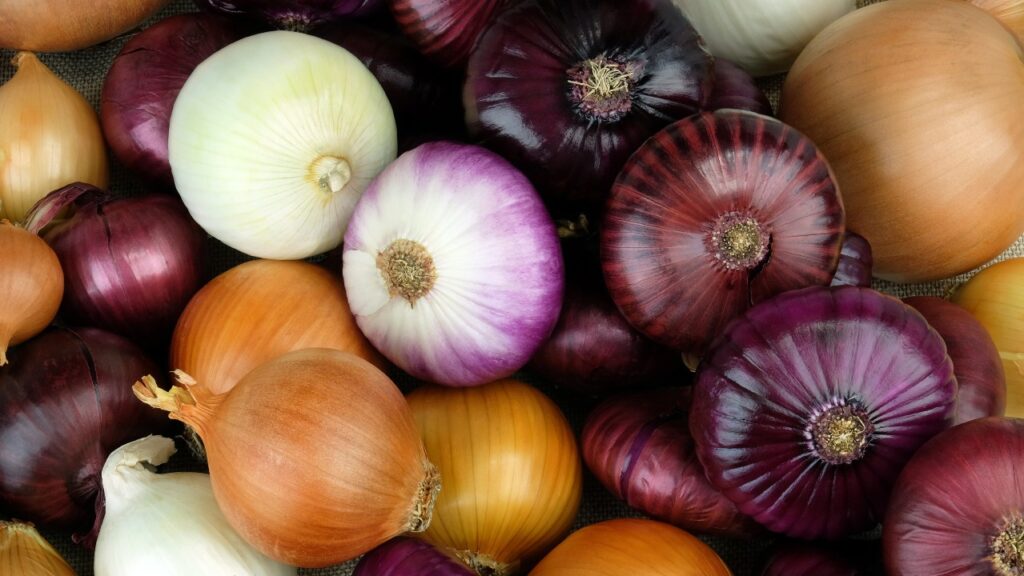
Green shoots emerging from stored onions may look harmless, but they can indicate that the onion is past its prime. If the sprouted onion is mushy or emits a foul odor, it should be discarded. Many people mistakenly think sprouted onions are spring onions, but spring onions are harvested before the bulb fully matures.
2. Garlic
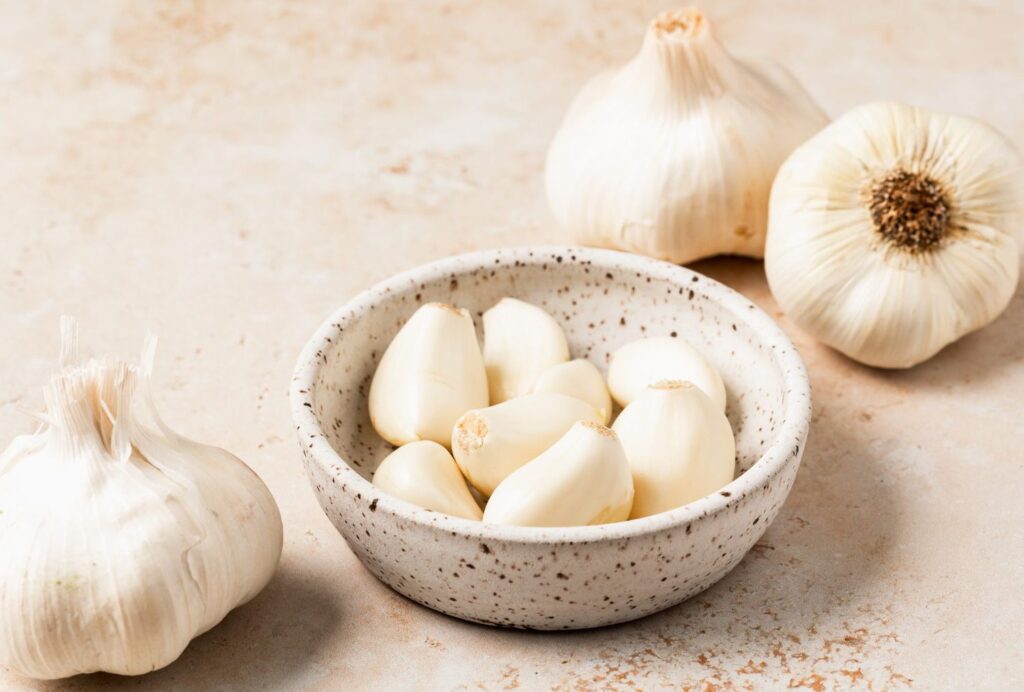
Garlic can sprout when stored under poor conditions. While sprouted garlic isn’t always harmful, the shoots can taste bitter. Blue or discolored sprouts may suggest mold growth, which means it’s safer to throw them away.
3. Potato
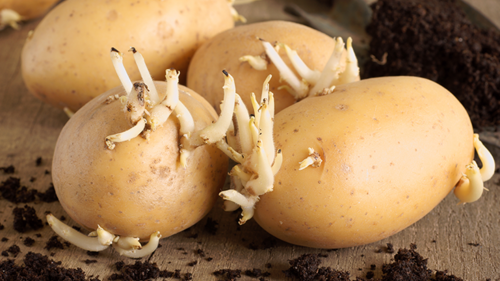
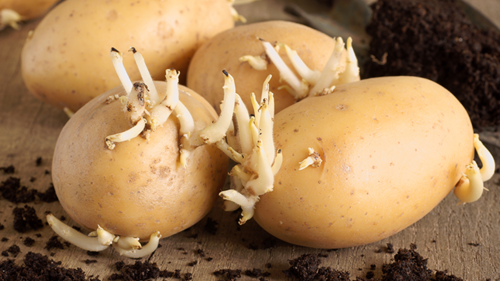
Potatoes that have sprouted develop glycoalkaloids like solanine, which can be toxic if consumed. Eating sprouted potatoes may lead to nausea, stomach cramps, and diarrhea, so they should be avoided.
4. Raw Alfalfa Sprouts

Alfalfa sprouts are nutrient-rich and full of antioxidants, but their sprouting process requires precise temperature control. Improperly stored sprouts can encourage harmful bacterial growth, increasing the risk of severe foodborne illness when eaten raw.
5. Sprouted Kidney Beans
Though technically not a vegetable, sprouted kidney beans can be particularly dangerous if not cooked thoroughly. They contain phytohaemagglutinin, a compound that can irritate the intestines, and sprouting may increase its concentration, causing serious digestive problems.
While sprouts are often considered healthy, raw consumption is not always safe. Children, pregnant women, and people with autoimmune disorders should be especially cautious. Proper storage, cooking, and awareness of the type of sprout are crucial to avoid potential health risks.
Disclaimer: This article is for informational purposes only and should not replace professional medical advice. Consult a healthcare provider before making significant changes to your diet.