‘Apli Bhasha, Apla Bank’: Finance Minister’s Bold Move Makes Regional Languages Must-Have Skill in Banking
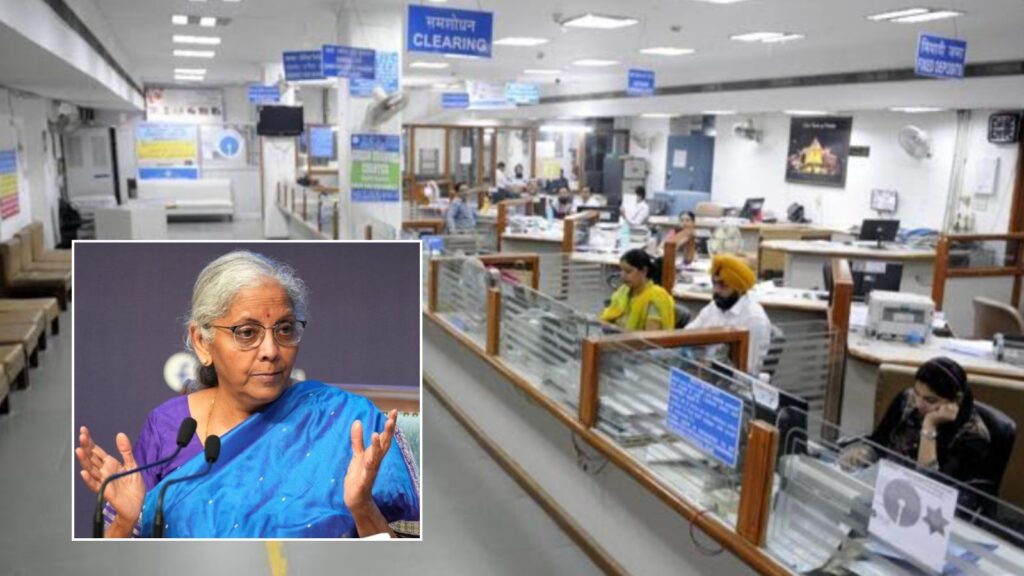
'Apli Bhasha, Apla Bank': Finance Minister's Bold Move Makes Regional Languages Must-Have Skill in Banking
Nirmala Sitharaman directs public sector banks to prioritize local language speakers, introduces performance appraisals based on linguistic abilities
Bank employees across Maharashtra will now have to speak Marathi with customers. This is not a suggestion but a clear directive from Union Finance Minister Nirmala Sitharaman. Speaking at a State Bank of India event, she laid down specific instructions that could change how banking works in different regions of the country.
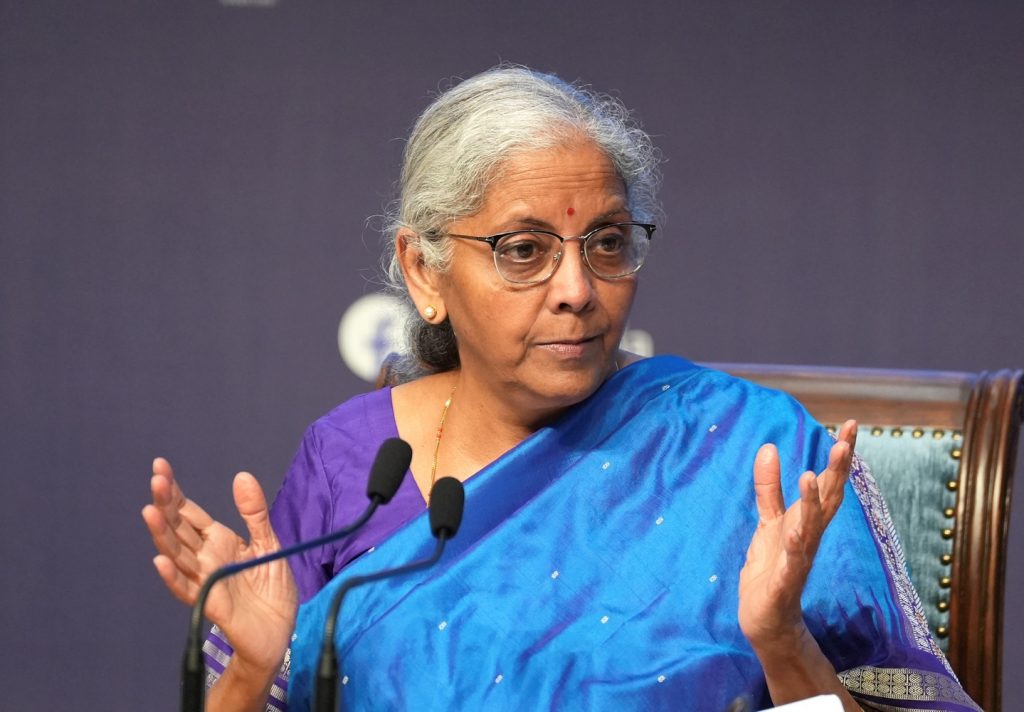
The Finance Minister’s message was simple. Every bank employee working in a branch, from cashier to manager, must know the regional language of that area well enough to communicate with customers. Whether it is Marathi in Solapur, Kannada in Belagavi, or any other local tongue, staff members need to be able to converse fluently in the language people are comfortable with.
This matters because farmers, small traders, and homemakers often struggle to explain their problems in Hindi or English. When they walk into a bank and find someone who speaks their language, it builds trust. That connection is what banking was supposed to be about in the first place.

From guidelines to performance reviews
What makes this directive serious is how it will be enforced. Sitharaman announced that language skills will now be part of annual performance appraisals. This means employees will earn marks based on how well they can speak the local language. Branches where all staff members are fluent in the regional language may even receive special recognition or incentives.
For those who cannot speak the local language, the consequences are clear. They might face transfers to other states or be required to undergo mandatory language training. This is not a cosmetic change. It is a structural shift in how banks will hire and evaluate their workforce.
The Finance Minister also recommended changes in recruitment policies. She suggested that banks should give preference to candidates who speak local dialects during the hiring process. The shortage of regional language speakers in various parts of the country is a serious problem that cannot be justified anymore, she said.
Why this matters now
The timing of this directive is significant. Despite decades of nationalization and modernization, many people still prefer borrowing from moneylenders rather than approaching banks. Sitharaman expressed concern over this trend and cited two recent cases that highlight the problem.
She pointed out that banks often demand the same documents repeatedly, forcing borrowers to submit proof again and again. Small issues turn into major roadblocks because of rigid systems and lack of understanding. If banks can fix these minor problems and show more empathy, they could become the most reassuring institutions in the country, she said.
The issue goes deeper than paperwork. When customers cannot communicate in their own language, they feel alienated. A farmer from a village might know exactly what kind of loan he needs, but if he has to explain it in a language he barely speaks, the entire experience becomes stressful. This is where local language becomes not just convenient but essential.
Learning from the past
Sitharaman reminded banks of their own history. Before nationalization, private banks succeeded because they built strong relationships with local customers. They understood the community, spoke their language, and knew their needs. That personal touch made all the difference.
Today, with digital tools and modern technology, banks have more resources than ever. But technology alone cannot replace human connection. The Finance Minister stressed that combining digital efficiency with personal interaction is the real secret to success. Without regional language skills, human understanding, and awareness of customer emotions, the banking system remains incomplete.
What customers can do
If bank employees refuse to speak in the local language or show reluctance, customers now have clear options. They can file a written complaint in Marathi or their regional language with the branch manager. The RBI customer service helpline at 1800-11-2211 is available for immediate grievances.
Customers can also send emails directly to the Finance Minister’s office or use social media with tags like LocalLanguageInBanks. According to reports, such complaints are typically addressed within 24 hours.
The directive also covers practical aspects of implementation. For example, in Dharwad where both Kannada and Marathi are spoken, banks need staff who can handle both languages. In Kolhapur, Marathi is essential. The point is simple, understand your region and speak the language that people use every day.
Building trust through language
This policy shift recognizes something fundamental. Language is not just about words, it is about dignity. When someone visits a bank and is forced to struggle in an unfamiliar language, it creates a power imbalance. The customer feels inferior, less confident, and less willing to ask questions.
When banks speak the customer’s language, that equation changes. Suddenly, the farmer can explain his crop cycle clearly. The small trader can discuss her cash flow without hesitation. The elderly pensioner does not need to bring along a younger relative to translate.
Sitharaman believes this approach will help banks grow their business while improving their reputation. Customer loyalty increases when people feel understood. The relationship becomes stronger, more personal, and built on mutual respect.