A Middle Class Living on EMIs: India’s Quiet Shift From Saving to Borrowing Raises Red Flags
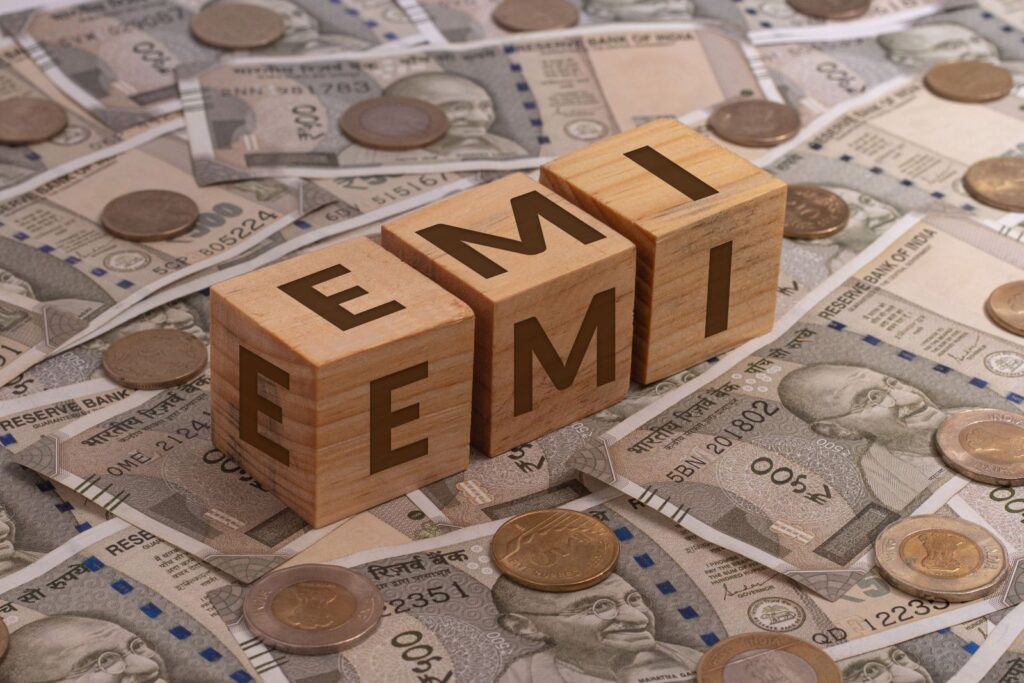
A Middle Class Living on EMIs: India’s Quiet Shift From Saving to Borrowing Raises Red Flags
For years, Indian families were known for their discipline with money. People planned big purchases months in advance, saved patiently, and avoided debt unless it was absolutely essential. That long-standing financial culture is now fading at remarkable speed, replaced by a new norm where monthly EMIs quietly dominate household budgets.
This change hasn’t happened overnight. It’s the result of a lifestyle upgrade driven by easy credit, instant approvals, and rising aspirations—combined with incomes that no longer keep pace with the cost of “living well.” And experts warn that this enthusiasm for borrowing may carry a price the country has yet to fully understand.
CoinSwitch co-founder Ashish Singhal recently highlighted this shift in a post that has sparked widespread discussion. He recalls a time when his parents’ generation avoided loans altogether—certainly not for holidays or smartphones. “If you couldn’t afford it, you didn’t buy it. That India is gone,” he wrote.

And the data backs him up.
The average Indian today is burdened with ₹4.8 lakh of debt per person, a sharp jump from ₹3.9 lakh just two years ago. This rise isn’t aligned with rising salaries—debt is expanding much faster than incomes.
What’s even more striking is the composition of this debt.
More than half of what Indian households owe does not go into building assets like homes or businesses. Instead, it comes from:
Personal loans
Credit-card dues
Auto loans
In other words, a growing number of Indians are borrowing to consume, not to invest. A personal loan for a Bali trip, an iPhone purchased on EMI, and credit-card installments for last Diwali’s shopping are no longer unusual—they’re increasingly standard.
Singhal notes that none of these choices are problematic by themselves. But when they become the norm for an entire generation, the financial implications become harder to ignore.
Savings Decline as Easy Credit Rises
India, once celebrated for saving 23–25% of household income for decades, is now witnessing a rapid decline in that habit.
Why? Because taking a loan has become ridiculously convenient.
NBFCs approve credit within minutes
Apps offer loans with a few taps
Credit cards are widely accessible
“Buy Now, Pay Later” schemes are everywhere
This convenience has reshaped behaviour. With social media amplifying lifestyle expectations—holidays, fashion, dining out, gadgets—it becomes easy to justify “just one loan”. Then another. Eventually, it stops feeling like borrowing and starts feeling like life.
The trouble is that loans accumulate, but lifestyles rarely shrink. And as EMIs eat into a larger portion of the monthly paycheck, long-term wealth creation—saving, investing, owning assets—gets pushed to the background.
This is exactly the concern Singhal raises:
“What happens when this generation hits 40-50 and realizes they spent their 20s and 30s paying EMIs instead of building wealth?”
It’s a question without an easy answer. But it’s one India may soon be forced to confront. In under ten years, the country has moved from a mindset of “save first, spend later” to one of “spend now, pay later.” The long-term cost of this shift—on households, on savings rates, and on financial stability—is still unfolding.