What Makes This Rajasthan City Drenched in Blue and Famous as “The Blue City of India”
What Makes This Rajasthan City Drenched in Blue and Famous as “The Blue City of India”
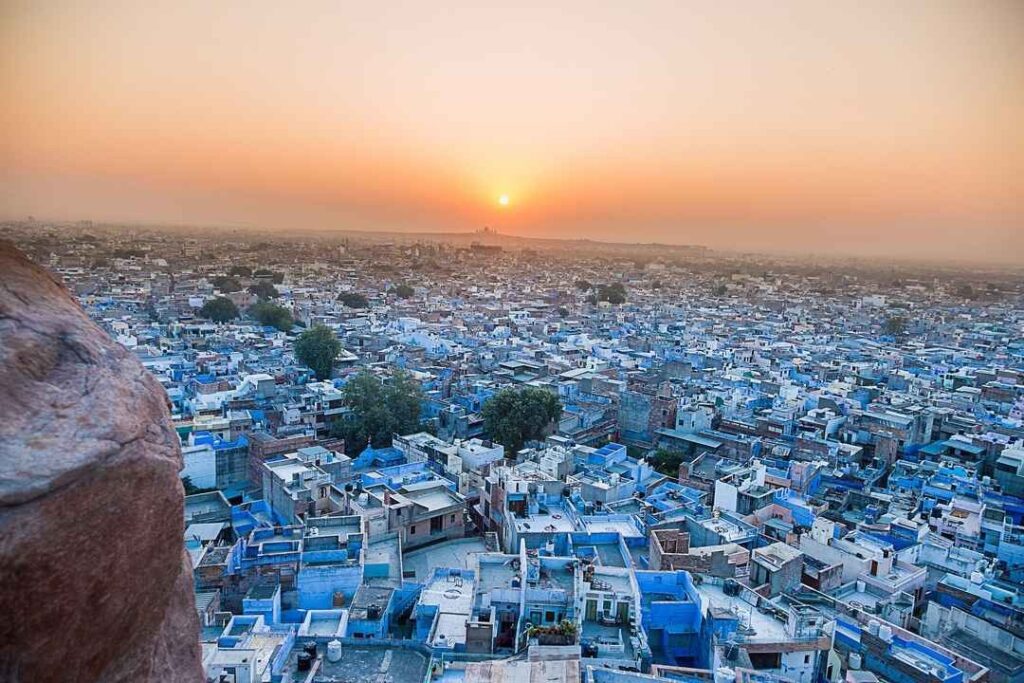
Jodhpur, located in western Rajasthan, is popularly known as “The Blue City of India.”
Travellers are choosing Jodhpur for their winter holidays thanks to its pleasant weather, with temperatures ranging from a cool 14°C to 26°C, making it ideal for sightseeing and outdoor activities. The city’s biggest attraction is its iconic blue-painted old quarter, which offers a stunning visual landscape unlike anywhere else in India. Visitors can spend hours wandering through the narrow lanes around Mehrangarh Fort, capturing picturesque views, exploring traditional houses, and soaking in Rajasthan’s cultural charm.
Adding to its appeal are Jodhpur’s heritage havelis, vibrant markets, desert experiences, and rich culinary traditions, all of which create a perfect blend of history and festive atmosphere. With improved connectivity, boutique stays, and curated travel experiences, the Blue City has emerged as one of the most sought-after winter destinations for year-end vacations.
Why Jodhpur Is Called the Blue City
1. Houses Painted in Blue
A large section of the old city, especially around the Mehrangarh Fort, is filled with homes painted in various shades of blue. This creates a striking visual effect when seen from above.

2. Historical Connection to Brahmins
Historically, many of these Blue Houses belonged to Brahmin families.
Painting homes blue was believed to:
- Distinguish Brahmin dwellings
- Represent purity and social identity
Later, non-Brahmin homes also adopted this style, turning the entire area blue over time.
3. Cooling Effect
Rajasthan’s desert climate is extremely hot.
Blue lime paint helps:
- Reduce heat absorption
- Keep the interiors cooler
- Make homes more comfortable during summer
4. Protection from Termites
Blue paint traditionally contained copper sulphate, which acted as:
- A natural termite repellent
- A protective layer for lime-based structures
This helped preserve old houses and havelis.
Key Attractions in Jodhpur (Blue City)
1. Mehrangarh Fort
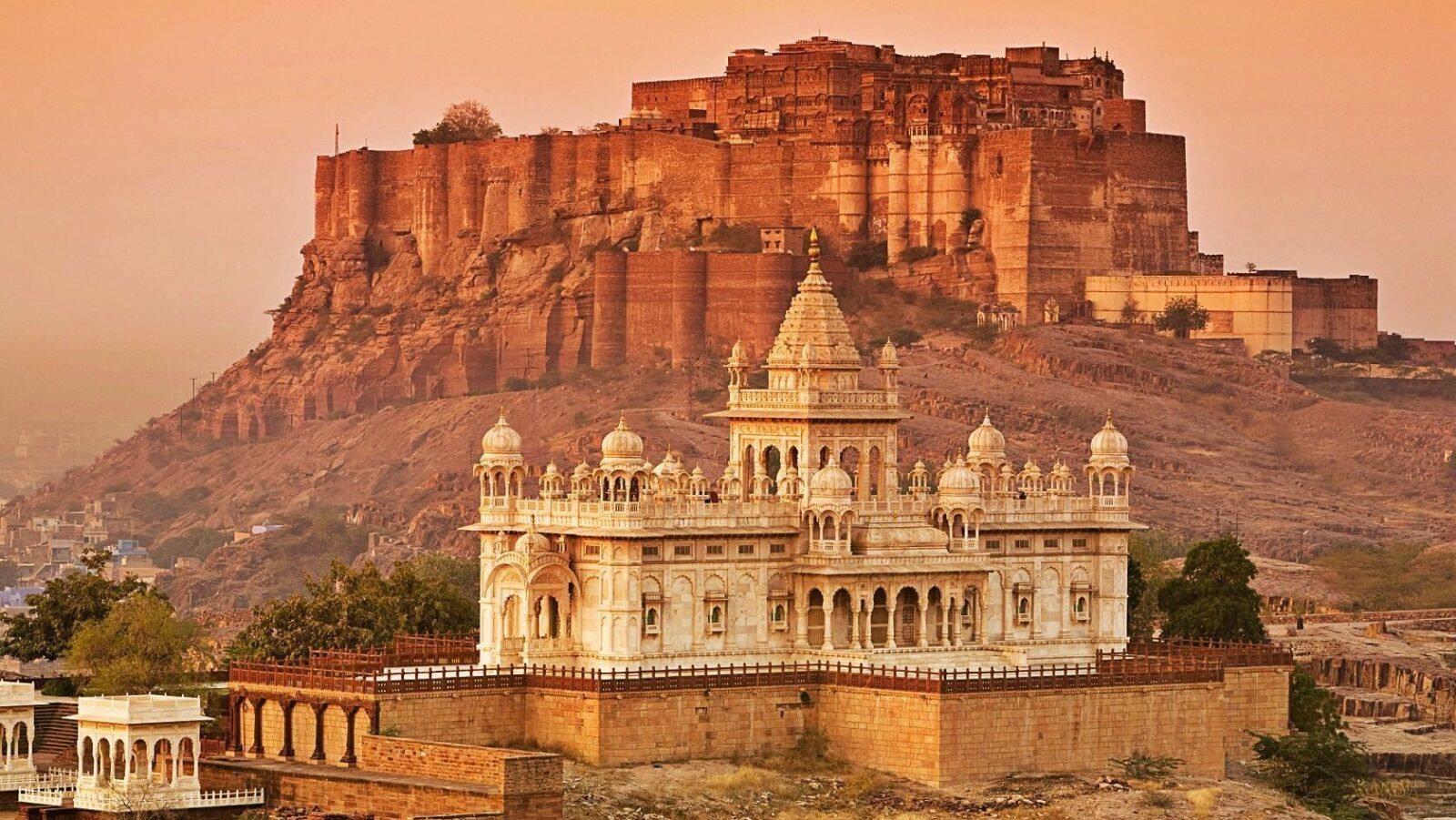
One of India’s most magnificent hill forts, Mehrangarh Fort towers over the Blue City and offers sweeping panoramic views of the indigo-coloured houses below. The fort houses well-preserved palaces, museums, royal artefacts, and intricately carved courtyards. Its sunset view points and zip-lining adventure activities make it a favourite among tourists.
2. The Blue City (Old Town, Brahmpuri Area)
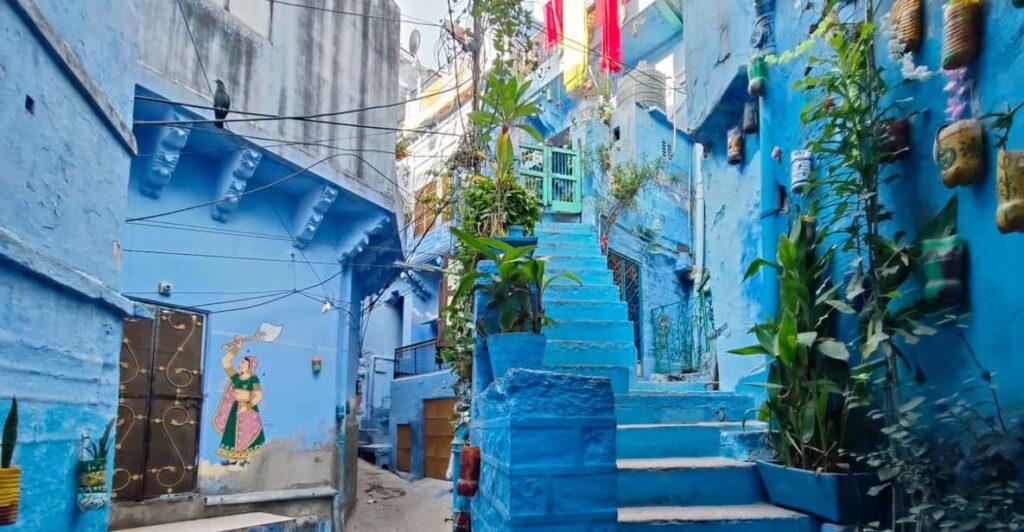
The old quarters of Jodhpur—especially Brahmpuri, Navchokiya and Chandpole—are famous for houses painted in vivid shades of blue. Travellers explore these narrow lanes on foot or via guided heritage walks to capture the city’s iconic photographs and experience local life, traditional homes, and ancient temples.
3. Jaswant Thada
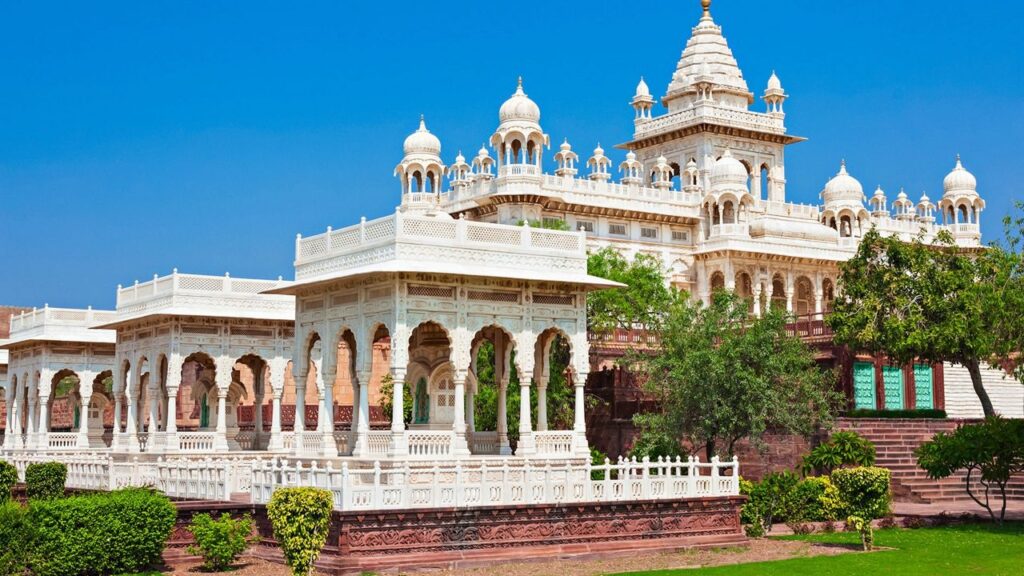
Often called the “Taj Mahal of Marwar,” Jaswant Thada is a serene white-marble cenotaph built in memory of Maharaja Jaswant Singh II. The monument is known for its delicate latticework, peaceful gardens, and stunning views of Mehrangarh Fort.
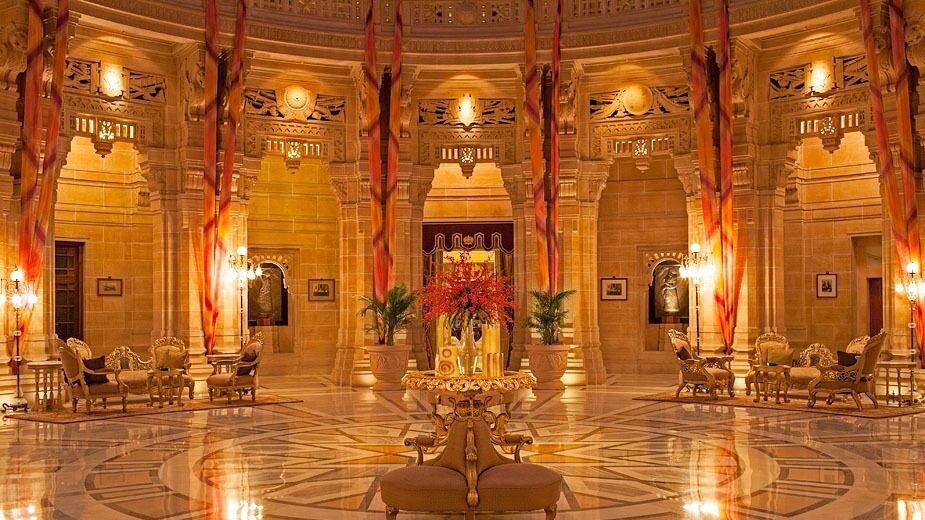
4. Umaid Bhawan Palace
One of the world’s largest private residences, Umaid Bhawan Palace is part royal residence, part luxury hotel, and part museum. Visitors can tour the museum showcasing vintage cars, royal memorabilia, clocks, and historical photographs. The palace architecture blends Art Deco, Indian, and European styles.
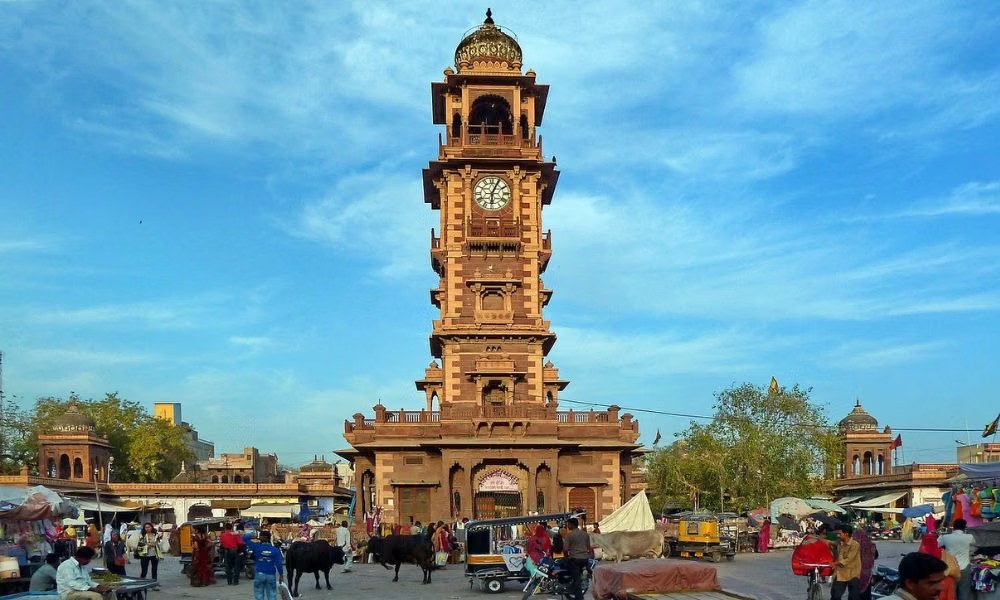
5. Clock Tower & Sardar Market
Located near the city centre, the Ghanta Ghar (Clock Tower) and surrounding Sardar Market are bustling hubs known for spices, handicrafts, textiles, bandhej fabric, mojris, and souvenirs. It’s a crowd favourite for shoppers and photographers looking to capture Jodhpur’s vibrant street life.
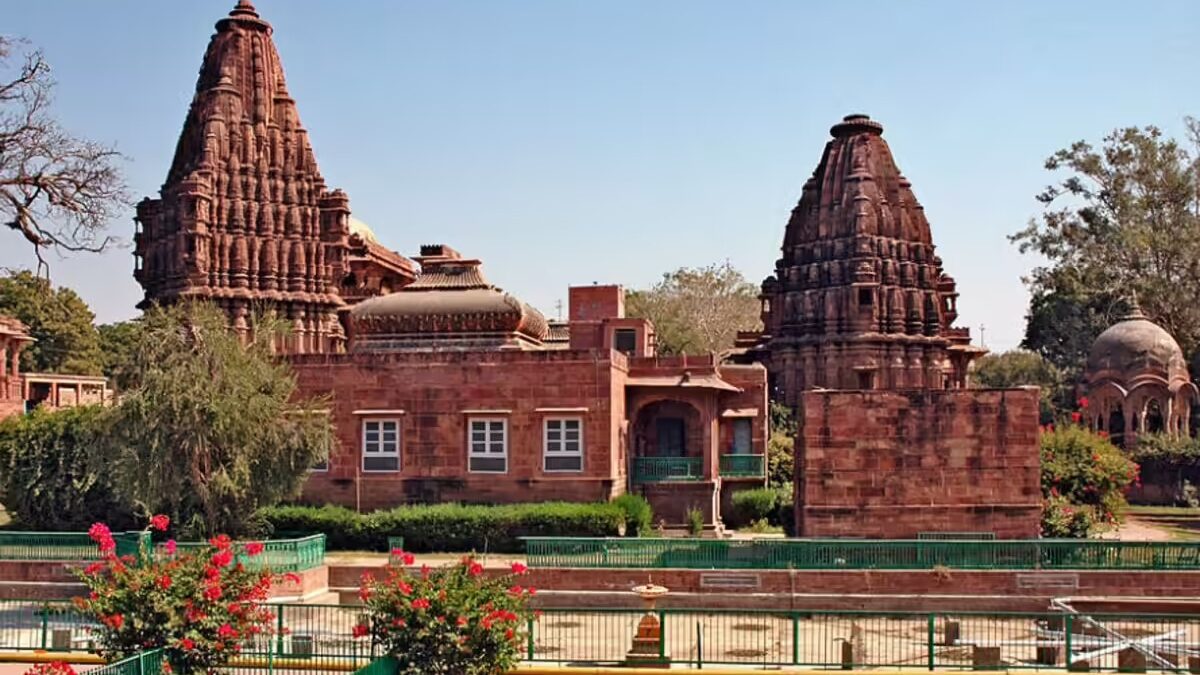
6. Mandore Gardens
A historical public park featuring ancient temples, cenotaphs, rock terraces, and ruins, Mandore Gardens offers a glimpse into the region’s pre-Jodhpur history. Its lush greenery and architectural relics make it a peaceful excursion spot just outside the main city.
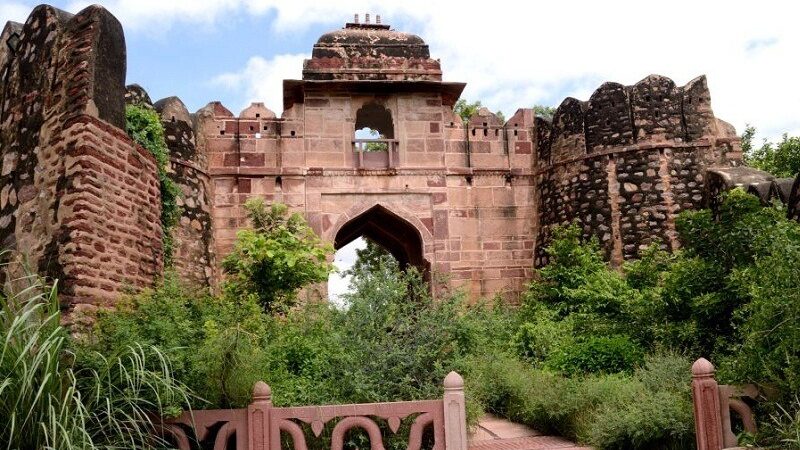
7. Rao Jodha Desert Rock Park
Created to restore the natural ecology of the region, this park sits adjacent to Mehrangarh Fort. The Rao Jodha Desert Rock Park showcases hardy desert vegetation, walking trails, and unique rock formations. It’s popular among nature enthusiasts and early-morning walkers.
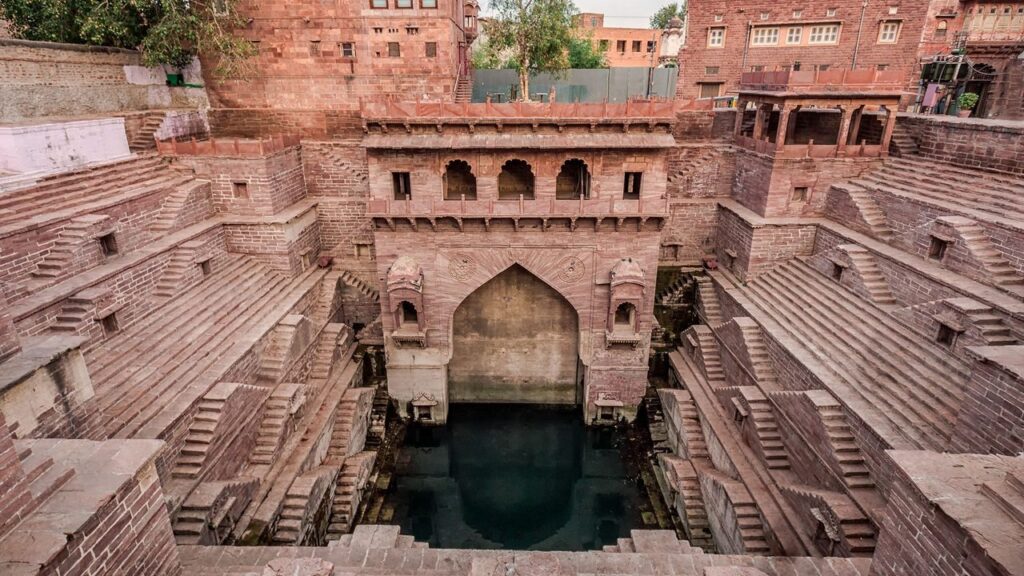
8. Toorji Ka Jhalra (Stepwell)
A beautifully restored 18th-century stepwell, Toorji Ka Jhalra is an architectural gem known for its symmetrical steps and photogenic setting. The surrounding cafés and boutique shops have made it a popular hangout spot for tourists.
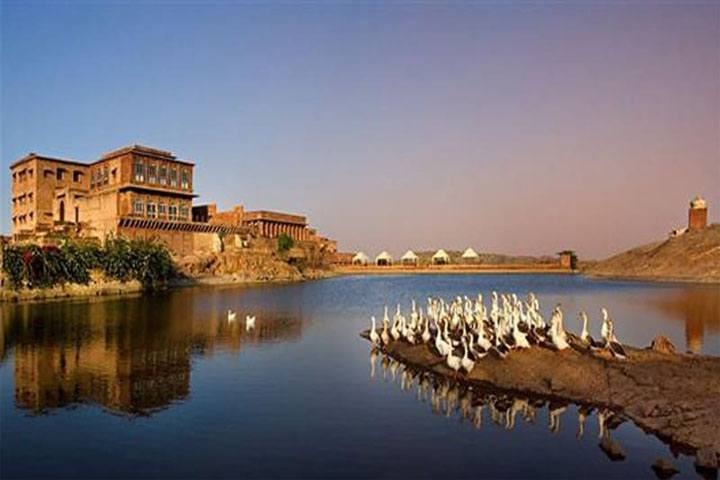
9. Kaylana Lake
A scenic artificial lake located on the outskirts of the city, Kaylana Lake is known for its tranquil boat rides, winter birdwatching, and sunset views. It offers a peaceful break from the hustle of the Old City.
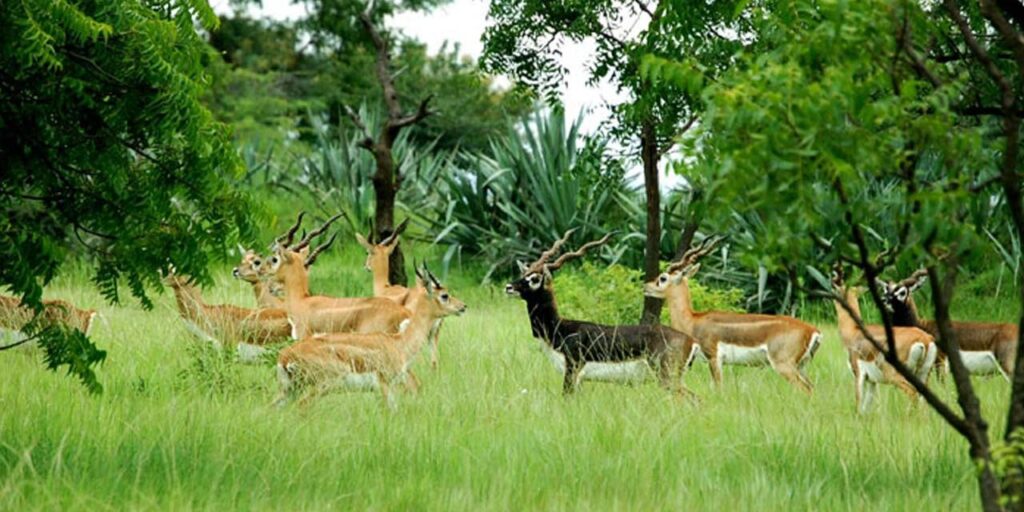
10. Machiya Safari Park
Located near Kaylana Lake, this wildlife zone offers sightings of desert animals like foxes, monitor lizards, and blue bulls. The viewing points and trekking paths make it ideal for families and nature lovers.
11. Bishnoi Village Safari
A unique rural experience, the Bishnoi Village Safari offers visitors a chance to explore the eco-conscious Bishnoi community known for their wildlife protection traditions, pottery, weaving, and authentic Rajasthani meals. It’s popular for cultural tourism and desert photography.
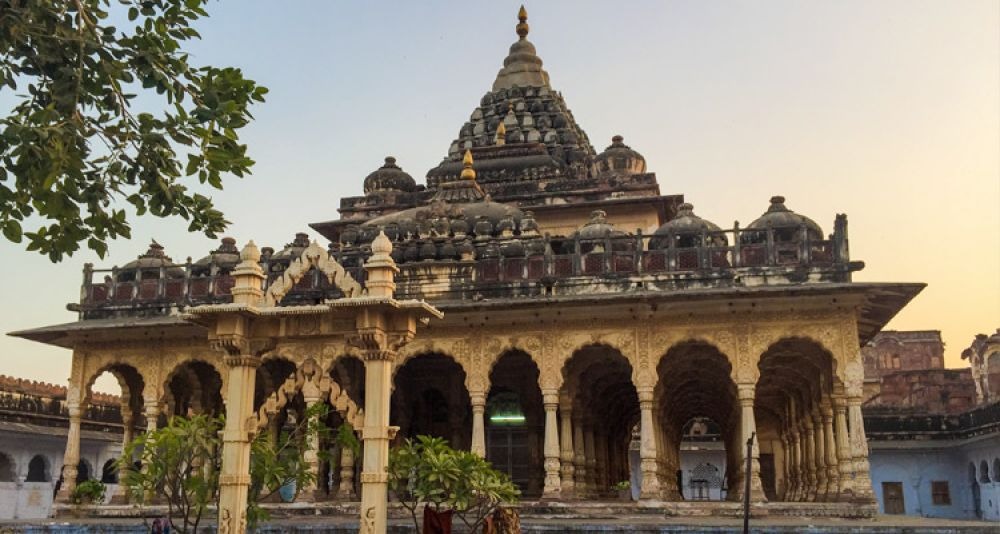
12. Mahamandir Temple
An ancient Shiva temple with 84 intricately carved pillars, Mahamandir is an architectural marvel showcasing detailed stone craftsmanship. The temple complex is a quiet, spiritual retreat away from central tourist crowds.
Best Time to Visit
- October to March
Pleasant winter weather makes it ideal for sightseeing and desert activities.
How to Reach
By Air:
Jodhpur Airport connects to major cities such as Delhi, Mumbai, Bengaluru, Pune, and Ahmedabad.
By Rail:
Jodhpur Junction is a major railway hub with direct trains to metros.
By Road:
Well-connected to Jaipur, Udaipur, Jaisalmer, Bikaner, and Ahmedabad.