More Than 2 Lakh Private Companies Shut Down In Five Years, Centre Explains Reasons In Lok Sabha

More Than 2 Lakh Private Companies Shut Down In Five Years, Centre Explains Reasons In Lok Sabha
Government says closures linked to mergers, inactivity and regulatory clean-up; no plan to rehabilitate employees
Over the last five financial years, India has witnessed an unprecedented rise in the number of private companies shutting down. According to data presented by Minister of State for Corporate Affairs Harsh Malhotra in the Lok Sabha, 2,04,268 private companies have officially closed between 2020-21 and 2024-25 under the Companies Act, 2013.
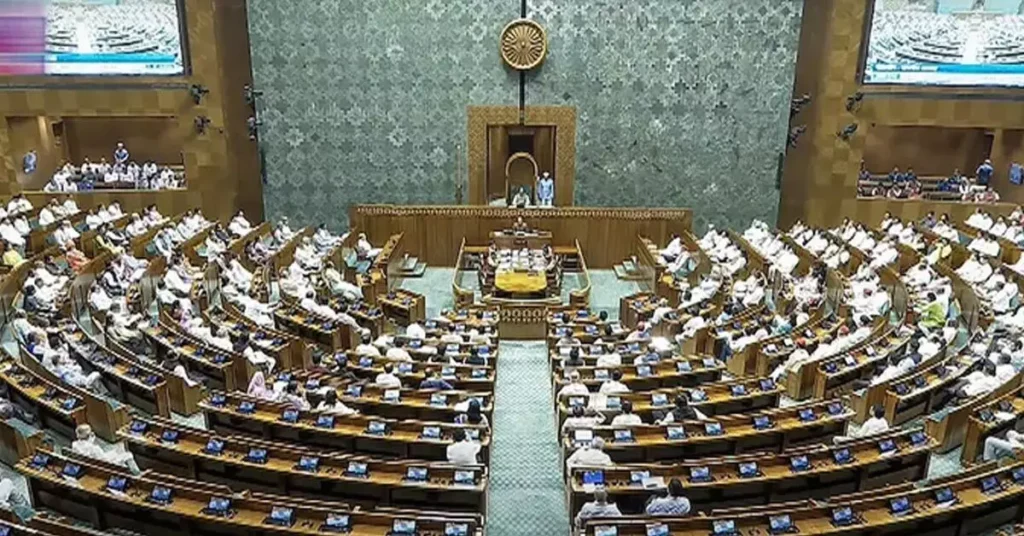
The reply clarifies that these closures do not indicate a single cause. Many firms folded due to mergers, conversions or voluntary shutdowns, while a large number were struck off because they remained inactive for years. The Ministry also confirmed that it has no proposal to rehabilitate employees affected by these closures.
A year-wise breakup shows how sharply the numbers rose after the pandemic. In 2020-21, 15,216 private companies closed amid the COVID-19 economic disruption. The number surged to 64,054 in 2021-22. The highest figure came in 2022-23, when 83,452 companies shut down, largely due to a special government-led strike-off campaign aimed at removing dormant firms. This clean-up was one of the most extensive corporate registry exercises undertaken by the Ministry of Corporate Affairs.

The trend continues. In 2023-24, 21,181 companies were shut, followed by 20,365 closures in the ongoing financial year 2024-25. In parallel, the Ministry has removed 1,85,350 companies from official records between 2021-22 and July 2025, including 8,648 removals in the current year alone.
The government was also questioned about whether these were “shell companies.” Malhotra clarified that the term has no legal definition in the Companies Act. However, he noted that enforcement agencies—including the ED and the Income Tax Department—are increasing inter-agency coordination to prevent money laundering through inactive or fraudulent firms.
In another response, the Minister addressed demands for tax exemptions to boost industrial investment in backward regions. He said that government policy is shifting away from incentives and exemptions, focusing instead on simplifying taxation and reducing corporate tax rates to create a transparent and predictable business environment.
The data underscores both the evolving structure of India’s corporate sector and the government’s continued effort to clean up inactive entities from the registry, even as economic and regulatory pressures reshape business operations across the country.