Khapli Atta vs Sharbati Atta: What’s The Difference And Which One Truly Suits You
Khapli Atta vs Sharbati Atta: What’s The Difference And Which One Truly Suits You
Ancient grains, digestibility, softness and fibre—understanding how these two popular flours differ can help you choose what works best for your body.
For most Indian households, flour isn’t just an ingredient—it’s a daily decision that shapes health, texture, satiety and even digestive comfort. Among the most discussed types today are Khapli atta (also known as Emmer wheat) and Sharbati atta, a premium modern wheat variety known for its softness. While both are widely used, they serve very different needs in the kitchen and the body.
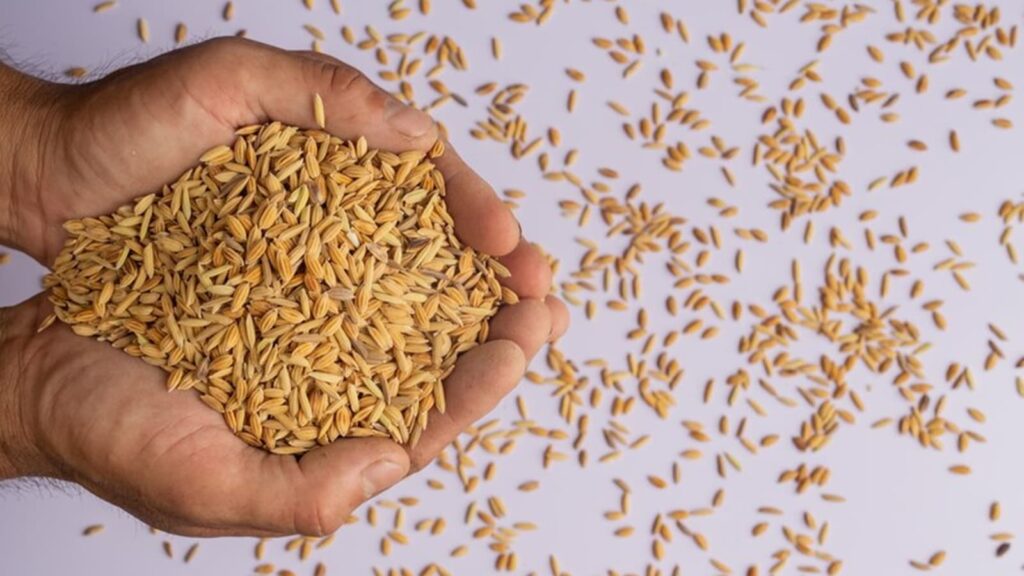
Khapli atta, an ancient grain believed to date back over 5,000 years, is naturally low in gluten and rich in fibre. Because of its structure, it digests more slowly and raises blood sugar levels gently, making it suitable for people seeking steadier energy or those monitoring their glycemic load. Many households prefer it for its nutty aroma and dense, earthy flavour that works well in rotis, bhakris and traditional recipes.
Sharbati atta, by contrast, is prized for softness. Grown largely in the Sehore and Vidisha belts, this wheat absorbs more water, resulting in lighter, fluffier and softer rotis. It is a modern high-quality wheat variety, valued for its texture rather than its nutritional edge. For many families, daily rotis made from Sharbati are easier to roll, softer to eat and more familiar in taste.

Nutritionally, the two are quite different. Khapli atta offers more fibre, minerals and slower digestibility, which may help those prone to bloating or sugar spikes. Sharbati atta, while premium, has a higher gluten content and a higher glycemic response than Khapli. Yet it is preferred for its daily usability and comfort on the palate.
Experts emphasise that there is no universal winner. For people who prioritise gut comfort, lower gluten or better blood sugar management, Khapli atta is often a better fit. For households that prioritise softness, ease of rolling, or traditional roti texture, Sharbati atta is difficult to replace. Many nutritionists now recommend mixing flours—combining Khapli with regular wheat or Sharbati—to balance softness with fibre and digestibility.
The growing popularity of Khapli has also revived interest in ancient grains across India, particularly among those looking for minimally processed, stone-ground alternatives to modern refined flours. Meanwhile, Sharbati continues to hold its position as a premium choice for families that enjoy soft, aromatic daily rotis without the dense texture of heritage grains.
Ultimately, the decision comes down to lifestyle, taste preference and how your body responds. Indian kitchens have always taught one truth: food is not one-size-fits-all. What works beautifully for one household may not suit another and understanding these differences helps you choose what nourishes you best.
Disclaimer: This report is for general information only and not a substitute for professional dietary or medical advice.
Read In Hindi