RBI Declares SBI, HDFC And ICICI As India’s Safest Banks. Read On for Details
RBI Declares SBI, HDFC And ICICI As India’s Safest Banks. Read On for Details
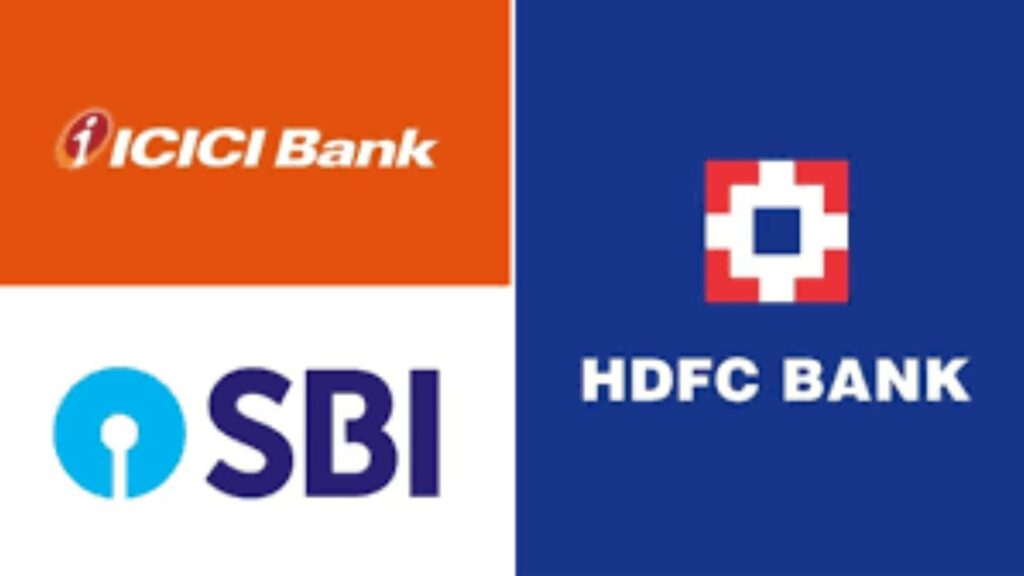
The Reserve Bank of India has once again confirmed that State Bank of India, HDFC Bank and ICICI Bank are the safest banks in the country. These three institutions have been classified as Domestic Systemically Important Banks, meaning they are so crucial to India’s financial stability that neither the government nor the RBI will allow them to collapse.
These banks have been part of the D-SIB framework for nearly a decade. The RBI introduced the concept in 2014, listing SBI in 2015, ICICI Bank in 2016 and HDFC Bank in 2017. Since then, they have been viewed as pillars of the economy because any disruption in one could impact the entire banking system.
Under the D-SIB rules, each bank must maintain additional Common Equity Tier-1 capital to ensure it can withstand even the most severe financial shocks. The requirements, based on size and systemic importance, will apply from April 1, 2027. As per the latest classification:

• SBI: Bucket 4 – 0.80% extra CET1
• HDFC Bank: Bucket 2 – 0.40% extra CET1
• ICICI Bank: Bucket 1 – 0.20% extra CET1
This extra capital acts as a financial cushion, ensuring these banks remain strong during crises. The larger the bank, the higher the capital requirement, reflecting the level of risk it poses to the economy if it ever falters.
For customers, the message is straightforward: these banks are considered the most secure in India. Their size, regulatory scrutiny and capital buffers make them better equipped to handle economic shocks. Even in extreme situations, the RBI and the central government would intervene to prevent their collapse, given their importance to the country’s financial framework.
These measures reinforce confidence among millions of account holders and underline the role of SBI, HDFC Bank and ICICI Bank as the backbone of India’s banking system.
Read in Hindi