Temple Wedding Locations Across India: The Ultimate State-By-State Guide For 2026
Temple Wedding Locations Across India: The Ultimate State-By-State Guide For 2026
Couples are increasingly choosing ancient temples for soulful, culturally rich weddings that blend heritage, beauty and spiritual significance.
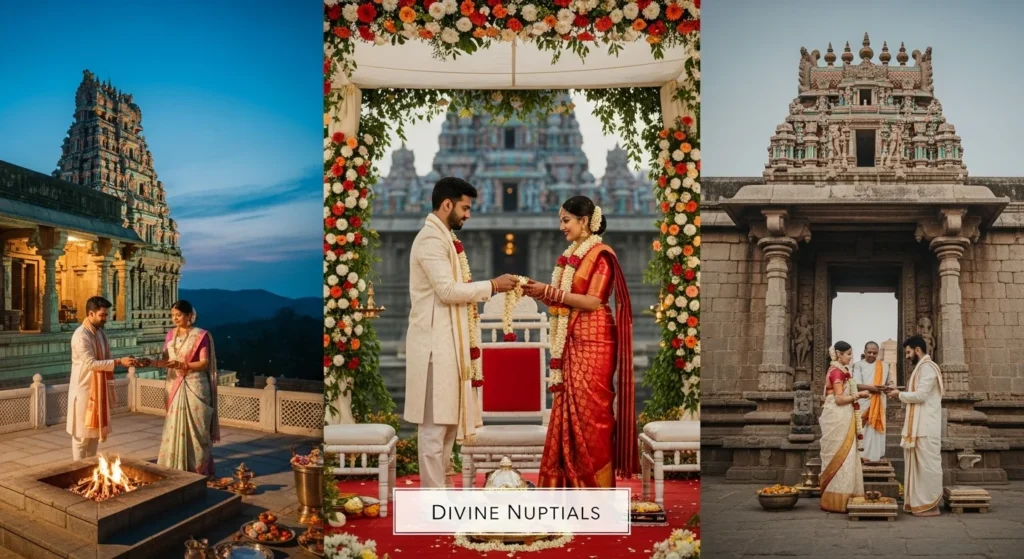
A temple wedding is no longer simply an alternative ceremony. For many modern couples, it has become a way to honour ancestry, celebrate culture and begin married life with divine blessings. With searches for temple wedding destinations rising ahead of the 2026 season, planners say couples prefer venues that offer scenic locations, spiritual ambience and authentic regional rituals. From Himalayan shrines surrounded by snow to coastal temples overlooking the sea, every region offers something unique.
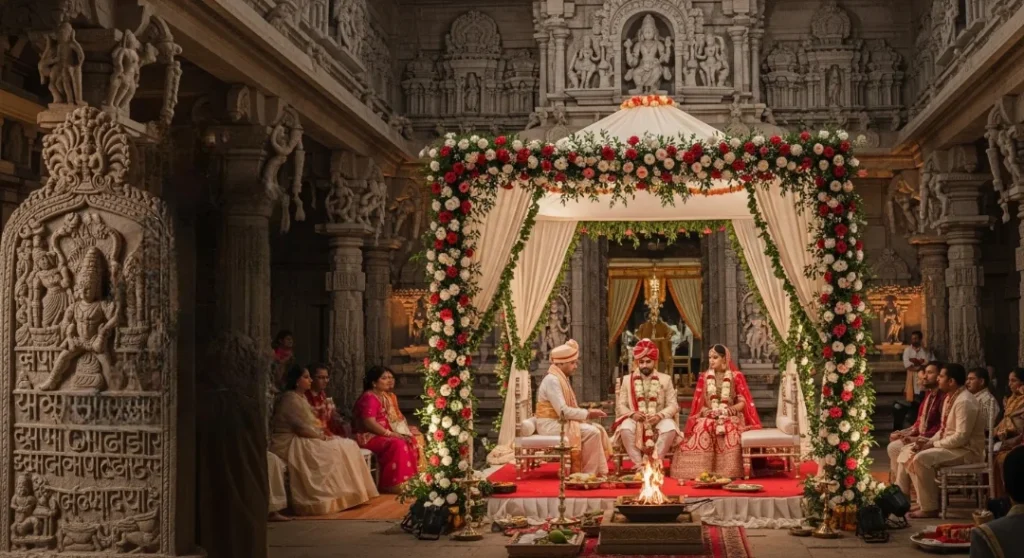
As temple weddings require specific permissions, traditions and date approvals, experts advise couples to plan early, especially for heritage or high-footfall shrines where waiting periods may extend for months. Below is a detailed state-wise guide to India’s most sought-after temple wedding destinations, combining cultural significance with practical suitability.
Maharashtra
Maharashtra’s temples offer a perfect blend of tradition and accessibility. Trimbakeshwar Temple in Nashik remains a preferred site for symbolic rituals linked to Vedic traditions. The Ganpatipule Temple’s seaside location attracts couples seeking serene backdrops, while Jejuri Khandoba Temple is considered auspicious for Maharashtrian families. Bhimashankar and Mahalaxmi Temple in Kolhapur also host symbolic wedding or pre-wedding rituals under strict guidelines. Pune–Kolhapur–Nashik wedding circuits remain popular due to convenience and rich cultural ambience.

Gujarat
The Somnath Temple, Dwarkadhish Temple and the stunning Modhera Sun Temple are among Gujarat’s most requested locations. Ambaji Temple remains a spiritual favourite among couples seeking Shakti Peeth blessings. Gujarat’s well-connected hospitality infrastructure around these temples has made it a rising wedding destination.
Punjab
Punjab’s temple weddings lean towards vibrant rituals and community participation. Durgiana Temple and historic Devi Talab Mandir in Jalandhar provide sacred settings. ISKCON temples in Ludhiana and Amritsar are increasingly chosen for Vaishnavite ceremonies. Kali Mata Mandir and Shiv Mandirs around Patiala and Ludhiana allow symbolic rituals with traditional Punjabi customs.
Karnataka
Karnataka offers some of India’s most picturesque temple backdrops. Murudeshwar Temple, with its towering Shiva statue overlooking the sea, is a dramatic wedding choice. Udupi Sri Krishna Temple, Dharmasthala Manjunath Temple and Gokarna’s Mahabaleshwar temple combine spiritual depth with coastal charm. Sringeri’s Vidyashankara Temple remains a serene option for couples seeking classical South Indian rituals.
Rajasthan
Rajasthan’s iconic temples such as Birla Mandir Jaipur, Brahma Temple Pushkar, Eklingji Temple Udaipur and Karni Mata Temple offer royal architecture blended with spiritual significance. These locations also complement heritage venues such as forts and havelis, creating complete wedding circuits.
Kerala
Guruvayur Temple continues to top Kerala’s list for weddings, with thousands of ceremonies held annually under strict queues and protocols. Padmanabhaswamy Temple in Thiruvananthapuram, Vadakkumnathan Temple in Thrissur and Chottanikkara Bhagavathy Temple also host symbolic ceremonies steeped in Kerala’s classical traditions.
West Bengal
Kalighat Temple and Dakshineswar Kali Temple hold deep cultural resonance for Bengali families. Tarapith, Belur Math lawns (for spiritual gatherings) and Hanseswari Temple offer varied architectural and ritual experiences, blending Tantra, Bhakti and Vedantic traditions.
Andhra Pradesh & Telangana
Tirumala Tirupati remains one of India’s most prestigious temple wedding zones, where rituals are tightly regulated and slots fill months in advance. Srikalahasti, Simhachalam and Kanaka Durga Temple in Vijayawada are also in demand. In Telangana, Yadadri Temple has emerged as a grand new pilgrimage-wedding hub after its recent redevelopment.
Uttarakhand
The Himalayas provide unmatched sanctity for temple weddings. Triyuginarayan Temple, believed to be the site of Shiva and Parvati’s celestial marriage, is one of India’s most sought-after wedding temples. Kedarnath and Badrinath permit symbolic rituals only, while Jageshwar, Rishikesh’s Neelkanth Mahadev and Haridwar’s Daksheshwar Mahadev host limited ceremonies with advance permissions.
Odisha
Lingaraj Temple, Konark Sun Temple (symbolic weddings only) and the Jagannath Temple region enable rituals under traditional constraints and permissions. The heritage landscape adds grandeur to ceremonies.
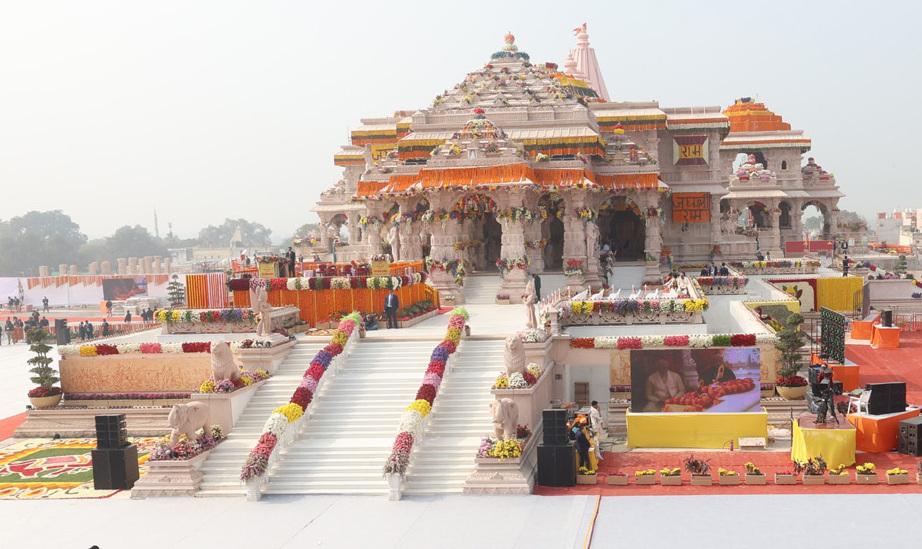
Goa
Beyond beaches, Goa’s Tambdi Surla Temple and Mangeshi Temple offer ancient heritage architecture and intimate ceremonial settings surrounded by nature.
Madhya Pradesh & Bihar
Khajuraho temples, Mahakaleshwar Ujjain and Omkareshwar offer historically rich venues with sacred significance. In Bihar, Vishnupad Temple in Gaya and Mundeshwari Temple are preferred for ancestral and symbolic rituals linked to ancient traditions.
Legal Formalities for Temple Weddings
To make your marriage legally recognised:
- Register under the Hindu Marriage Act
- Submit ID proofs, address proofs, photos, and application forms
- Obtain a priest-issued temple marriage certificate
- NRIs must submit apostilled and embassy-attested documents
- Many temples now also have online booking and document submission portals
As India enters the 2026 wedding season, planners say temple weddings will continue to surge as families rediscover the joy of sacred spaces, traditional vows and blessings rooted in centuries-old customs.
Disclaimer: This report is for general informational purposes and not a substitute for official guidelines or temple-specific permissions.