Air India flight returns to Delhi after engine shuts down mid-air
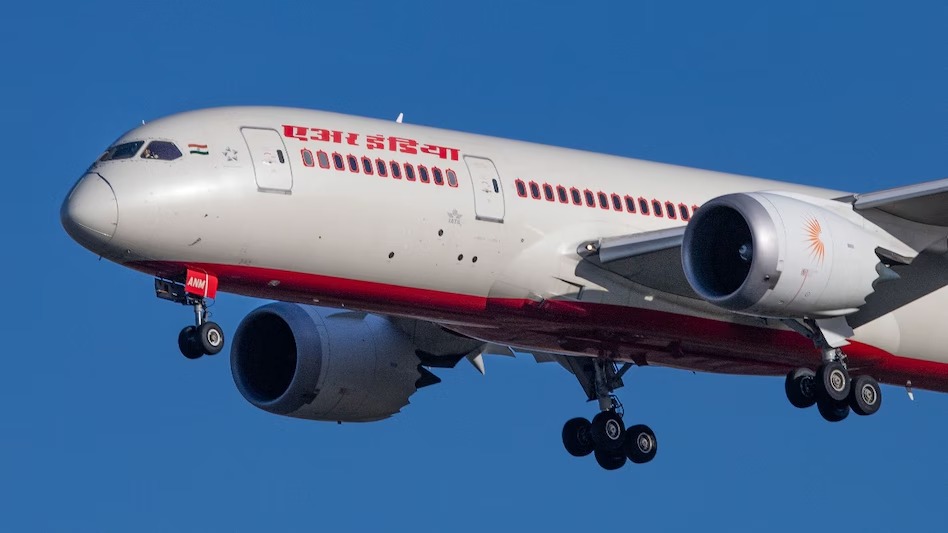
Air India flight returns to Delhi after engine shuts down mid-air
Flying thousands of feet above the ground leaves little room for error, which is why even a minor warning in an aircraft cockpit is taken seriously. That caution came into play on Monday morning when a Mumbai-bound Air India flight was forced to abandon its journey shortly after departure and return safely to Delhi.
The Boeing 777-300ER, operating as flight AI 887, took off from Delhi at around 6:10 am. Soon after becoming airborne, the flight crew detected a technical issue involving the aircraft’s right engine. Reports indicated that the engine shut down mid-air after the oil pressure dropped to zero, a condition considered highly critical in aviation.
As a precautionary measure, the pilots decided to turn the aircraft back to Delhi. The flight landed safely at approximately 6:52 am, well within an hour of take-off. All passengers were deboarded without incident. Aviation experts note that twin-engine aircraft like the Boeing 777 are designed to land safely even if one engine is not functioning.

According to flight-tracking data from Flightradar24.com, the aircraft remained in the air for close to an hour before returning. There were around 335 passengers on board at the time. Air India arranged an alternate Boeing 777 (VT-ALP) to carry passengers onward to Mumbai and provided refreshments at the boarding gate to reduce inconvenience.
The Directorate General of Civil Aviation (DGCA) has taken note of the incident. The engine shutdown will be examined by the airline’s Permanent Investigation Board under the supervision of the Director of Air Safety (Northern Region), DGCA. In addition, the Ministry of Civil Aviation has sought a detailed report from Air India and instructed the regulator to carry out a comprehensive investigation. The airline has also been directed to ensure proper assistance and timely re-accommodation for affected passengers.
Sources quoted by news agency PTI revealed that the aircraft made a U-turn during the flap retraction phase after take-off, when the crew observed low oil pressure in the right engine. A review of the aircraft’s maintenance and operational history reportedly did not show any unusual oil consumption patterns.
A complete loss of oil pressure in an aircraft engine is regarded as a serious technical failure because it prevents lubrication from reaching moving parts, potentially leading to overheating and engine damage within minutes. However, standard operating procedures allow pilots to reduce power or shut down the affected engine and divert to the nearest suitable airport, as was done in this case.
The incident has drawn attention partly because it comes in the shadow of earlier safety-related concerns involving the airline. Months ago, an Air India-operated Boeing 787-8 Dreamliner crashed shortly after take-off from Ahmedabad on a scheduled international flight to London Gatwick, resulting in the loss of nearly all lives on board, with only one passenger surviving.
More recently, the carrier faced scrutiny after reports emerged that a 164-seat Airbus A320 had operated multiple flights with an expired airworthiness licence in late November. The aircraft was subsequently grounded after an engineer flagged the issue.