No More Surprise ICU Bills: Hospitals Must Disclose Ventilator Costs Upfront
No More Surprise ICU Bills: Hospitals Must Disclose Ventilator Costs Upfront
New central guidelines mandate written family consent, transparent pricing, and usage-based billing for ventilator care in private hospitals.
India’s private hospitals will no longer be allowed to spring unexpected ICU and ventilator bills on patients’ families. In a significant move aimed at curbing arbitrary pricing and unethical practices, the central government has made it mandatory for private hospitals to disclose the full cost of ICU and ventilator treatment in advance and obtain written consent from the patient’s family before initiating ventilator support.
The new rules, issued by the Directorate General of Health Services (DGHS), are part of the “Guidelines for Transparency in Ventilator Use in Private Hospitals”. They are designed to restore public trust in the healthcare system and ensure that life-saving equipment is used strictly for medical necessity rather than commercial gain.
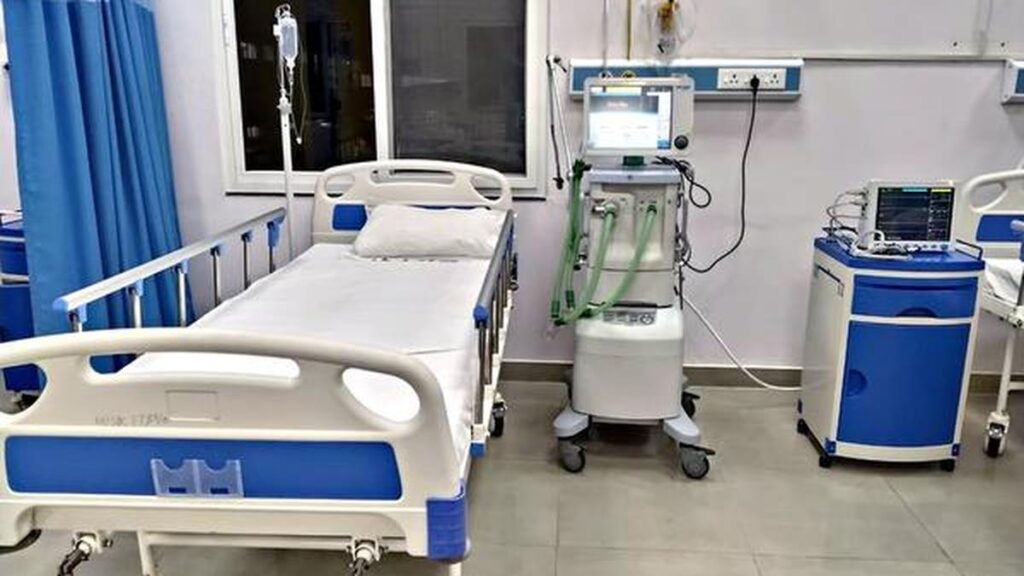
Under the guidelines, hospitals must clearly explain why a patient is being put on a ventilator, the expected benefits, potential risks, and the likely duration of support. Families must be informed of the daily ICU and ventilator charges beforehand, and their written approval is now compulsory before treatment begins.

One of the most important changes is the shift to usage-based billing. Hospitals will be allowed to charge ventilator fees only for the actual period during which the machine is in use. If the ventilator is switched off, its cost cannot be added to the bill. This provision directly addresses long-standing complaints from families about inflated bills for unused or unnecessarily prolonged ventilator support.
The guidelines also call for a uniform fee structure and public display of ICU and ventilator charges, making it easier for families to understand costs upfront. Hospitals must maintain complete records of ventilator usage, treatment outcomes, duration of support, and mortality data. In cases where a patient remains on ventilator support for more than 14 days, these records will have to be shared with government authorities for special scrutiny.
Another key safeguard is the introduction of a time-limited trial period. Ventilator use will typically be reviewed within 48 to 72 hours to assess whether continued support is medically justified. Extended use beyond this period will require closer monitoring and detailed documentation.
To strengthen accountability, private hospitals are now required to set up a time-bound grievance redressal mechanism. If families suspect overbilling, lack of transparency, or deviation from the guidelines, they can file a formal complaint. Authorities have indicated that strict action will be taken against hospitals found violating the rules.
The move comes at a time when India’s ventilator market is expanding rapidly. Industry estimates show the market was valued at around USD 207 million in 2024 and is expected to grow significantly over the next decade. Against this backdrop, the government has stressed that critical care should not become a source of financial exploitation.
Officials have reiterated that treating critically ill patients must be seen as a medical responsibility, not a pathway to financial distress for families. With these guidelines, patients are expected to gain greater financial protection, clarity, and dignity during some of the most vulnerable moments of their lives.