Warning Poster Displayed by Petrol Dealers Viral: Higher Ethanol Petrol Blends Raise Concerns for Owners of Older Vehicles
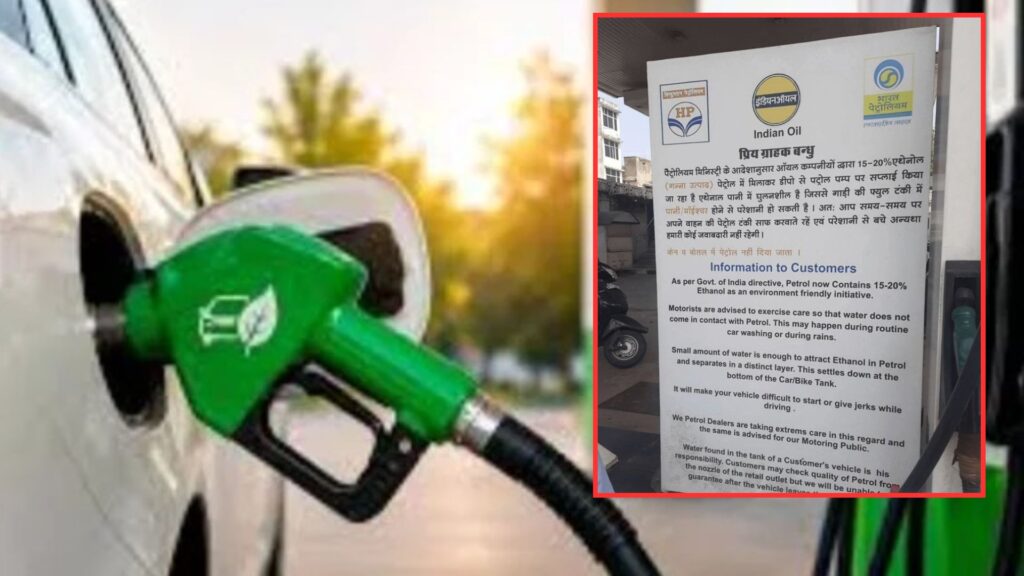
Warning Poster Displayed by Petrol Dealers Viral: Higher Ethanol Petrol Blends Raise Concerns for Owners of Older Vehicles
As India moves towards E25 and E30 fuels, experts advise motorists to understand compatibility, avoid water contamination, and maintain vehicles regularly.
By Vidhi Lalla
India’s push towards cleaner and more sustainable fuels is bringing higher ethanol-blended petrol into the mainstream, but the transition is raising concerns among owners of older vehicles. While the government’s ethanol blending programme aims to reduce crude oil imports, cut emissions and increase farmers’ income, many motorists say they are already noticing changes in vehicle performance after the introduction of E20 petrol.
Vehicle owners in Pune have reported reduced mileage, occasional starting problems and higher maintenance requirements, especially in cars and two-wheelers that were not originally designed to run on E20 fuel. Industry experts say these concerns could become more significant as the country gradually moves towards higher ethanol blends such as E25 and E30.

A warning poster displayed by some petrol dealers has also gone viral on social media. It advises motorists to keep water away from fuel tanks because ethanol absorbs moisture easily. Even a small amount of water can cause ethanol to separate from petrol, potentially leading to engine jerks, poor performance and difficulty in starting the vehicle.
Experts explain that ethanol has different physical properties from conventional petrol. Older fuel systems, including rubber hoses, seals, gaskets and other components, may wear out faster when exposed to higher ethanol content over long periods.
According to automotive industry experts, fuel efficiency in older vehicles may decline by 2 to 7 per cent, while some vehicles could experience losses of up to 10 per cent depending on their condition and design. Increased wear of fuel system components may also lead to additional servicing costs.
Estimates suggest two-wheeler owners could spend an extra ₹500 to ₹2,500 on maintenance, while four-wheeler owners may face repair bills ranging from ₹5,000 to ₹10,000 over time if ethanol-related issues develop.
The challenge is particularly relevant because mandatory production of E20-compatible vehicles began only in April 2023. A large number of vehicles currently on Indian roads were manufactured before these standards came into effect.
At the same time, the Centre continues to expand its ethanol programme. Petrol containing 22 to 30 per cent ethanol has been exempted from central excise duty, and specifications for E22, E25, E27 and E30 fuels have already been notified. Proposals to recognise E85 and E100 fuels under motor vehicle rules are also under consideration.
Government data highlights the benefits of ethanol blending, including savings of nearly ₹1.84 trillion in foreign exchange, a reduction of over 30 million tonnes in crude oil imports and significant cuts in carbon emissions, while also generating additional income for farmers.
However, experts caution that motorists should not confuse E20-compatible vehicles with flex-fuel vehicles designed for E85 or E100. These require different engine designs and specialised fuel systems.
Do’s for Vehicle Owners
 Check your vehicle manual to confirm E20 compatibility.
- Service your vehicle regularly and inspect fuel pipes, seals and filters.
- Refuel only from reputed petrol pumps.
- Keep the fuel tank tightly closed to minimise moisture entry.
- Watch for symptoms such as reduced mileage, engine jerks or hard starting and get them checked promptly.
- If the vehicle remains unused for long periods, start it periodically as advised by the manufacturer.
Don’ts for Vehicle Owners
- ✘ Do not allow water or moisture to enter the fuel tank.
- ✘ Do not ignore repeated starting problems or unusual engine behaviour.
- ✘ Do not use E85 or higher ethanol fuels in vehicles designed only for E20.
- ✘ Do not postpone replacement of worn rubber hoses, seals or fuel-system components.
- ✘ Do not rely on unverified repair advice if ethanol-related issues are suspected.
Disclaimer: Vehicle performance may vary depending on model, age and manufacturer specifications. Owners should always follow the recommendations provided in their vehicle owner’s manual and consult authorised service centres or qualified mechanics for compatibility and maintenance guidance.