Interesting Facts About Places Near Pune: The Untold History of Mahabaleshwar
Interesting Facts About Places Near Pune: The Untold History of Mahabaleshwar
From Maratha forts to forgotten Chinese convicts, the real story behind India’s favourite strawberry hill station
By Vidhi Lalla
Pune: When people plan a trip to Mahabaleshwar, they usually think of strawberries, misty viewpoints, and cool weather. Few know that this hill station near Pune carries a layered history involving Maratha warriors, British officers, and a forgotten group of Chinese convicts who shaped the place more than most guidebooks admit.
A Sacred Spot Long Before the British Arrived
Mahabaleshwar’s story does not begin with colonial bungalows. The name itself comes from Sanskrit, meaning the great power of Lord Shiva, and the area has been a pilgrimage site for centuries because the Krishna River is believed to originate here along with several tributaries. Records show that as early as 1215 CE, the Yadava king Singhan built temples and a water tank at the river’s source, work that still stands at the heart of Old Mahabaleshwar today.

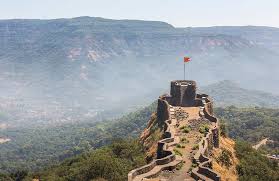
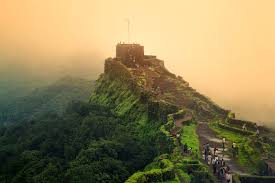
The Maratha connection runs just as deep. In 1656, Chhatrapati Shivaji Maharaj defeated the local ruler Chandrarao More and took control of the Jawali valley, the very region surrounding present-day Mahabaleshwar. Around the same period, he built Pratapgad Fort nearby, a site still linked to one of his most decisive military victories.
How the British Turned It Into a Hill Station
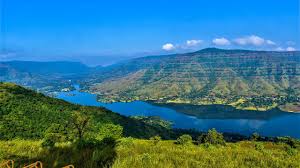
The British chapter began in 1824, when General Philip Lodwick explored the hills and recommended the area as a sanatorium for European soldiers struggling with the Deccan heat. His report reached Sir John Malcolm, Governor of Bombay, who visited in 1828 and struck a deal with the Raja of Satara, exchanging the village of Khandala for the Mahabaleshwar plateau. From there, Mahabaleshwar grew into the official summer capital of the Bombay Presidency, complete with churches, libraries, and the Governor’s residence, which still functions as Raj Bhavan today.
The Forgotten Chinese Convicts Who Built the Town
This is the part most tourists never hear. According to colonial records cited by The Caravan magazine, in 1830 a British judge ordered around 120 Chinese and Malay prisoners transferred from Thane Jail in Mumbai to a new facility near Mahabaleshwar, originally meant to support a tea plantation in nearby Awkali. The tea project failed because the soil and climate were not suited for it, so the prisoners were redirected to building roads, gardens, and the early infrastructure of the hill station.
What they left behind mattered more than anyone expected. These convicts are widely credited with introducing strawberries to the region, along with potatoes, arrowroot, and radish, none of which were native to the area before. The jail itself was shut down in 1864 and demolished long ago, with a Public Works Department bungalow now standing in its place. Mahabaleshwar today produces a large share of India’s strawberries, a legacy that traces back to this little-known chapter rather than purely British horticulture, as many assume.
Chinaman’s Falls: A Waterfall Named After Forgotten Workers
One of Mahabaleshwar’s scenic spots, Chinaman’s Falls, gets its name directly from this history. The gardens around the waterfall were tended by the Chinese prisoners during the colonial period, and the name stuck long after the workers themselves were forgotten by most visitors. The falls drop close to 500 feet into the Koyna Valley and remain one of the more peaceful, lesser-crowded points in the region, best viewed from Babington Point during the monsoon months.
Why This History Still Matters Today
Mahabaleshwar’s appeal is not just scenic, it is layered. A single hilltop holds a 13th century temple, a Maratha military victory, a British sanatorium project, and the quiet labor of convicts whose names were never recorded but whose work still grows on local farms. For anyone visiting nearby Pune, this is one of the more meaningful day trips precisely because the place tells a fuller, more honest story of how Maharashtra’s hill stations actually came to be.
Frequently Asked Questions
Why is Mahabaleshwar called the summer capital of Bombay Presidency? Because the British developed it as their official seasonal administrative base after acquiring the plateau in 1828, shifting government operations there during the hot months.
Who actually introduced strawberries to Mahabaleshwar? Historical accounts point to Chinese convicts brought from Thane Jail in the 1830s, who experimented with non-native crops including strawberries after their original tea plantation project failed.
What is the story behind Chinaman’s Falls? The waterfall is named after Chinese prisoners who maintained the gardens in that area during British rule, a history that is largely overlooked despite the falls being a popular tourist stop.
Is Mahabaleshwar connected to Chhatrapati Shivaji Maharaj? Yes, the nearby Pratapgad Fort was built by Shivaji in 1656 after he defeated the ruler of the Jawali valley, making the region significant in Maratha history as well.