Should Punekars Be Worried About Viral Social Media Discussions On Dirty Tanker Water?
Should Punekars Be Worried About Viral Social Media Discussions On Dirty Tanker Water?
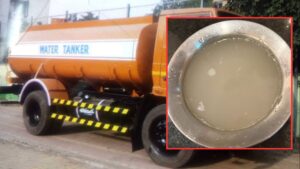
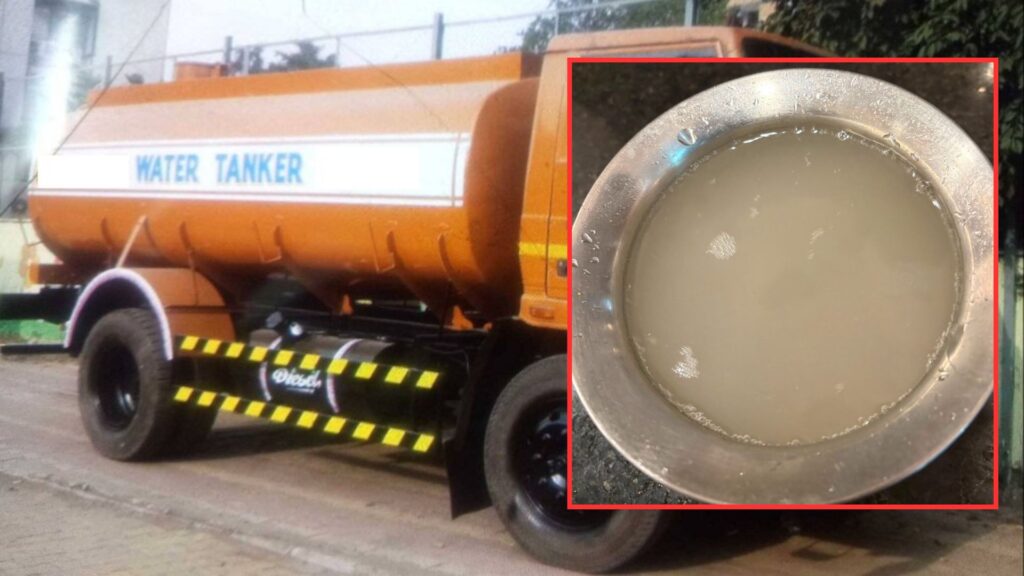
Posts showing discoloured tanker water and growing complaints about shortages have sparked concern across Pune. But do the viral claims point to a larger problem or isolated incidents?
By Vidhi Lalla
Pune: Pune’s recurring water challenges have once again become a talking point after several social media posts raised questions about the quality of tanker water being supplied to residential societies across the city.
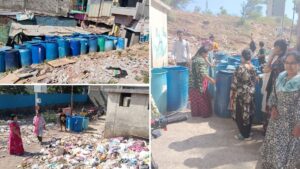
Over the past few days, residents have shared photographs and personal experiences online, claiming that tanker water supplied to their housing complexes appeared muddy, discoloured and unsuitable for regular household use. The discussions have gained traction at a time when many parts of Pune continue to rely heavily on private water tankers ahead of a stable monsoon supply.


Yoo whatss happening in pune
by u/Active_Hope_8866 in pune
While the viral posts do not establish a citywide water quality issue, they have highlighted growing anxiety among residents about the safety and reliability of alternative water sources.
The concern is not just about water scarcity but also about water quality, storage practices and the monitoring of private tanker supplies.
Experts say water supplied through tankers can vary significantly depending on the source, transportation methods and storage conditions. In some cases, discolouration may result from sediment, ageing pipelines, contaminated storage tanks or inadequate treatment processes.
“Residents should not panic based on a single image or social media post, but they should remain alert and insist on periodic water quality testing in their societies,” said Dr. Neha Patwardhan, a public health specialist.
Pune’s rapid urban expansion has increased dependence on private tanker networks, particularly in newly developed suburbs where demand often exceeds municipal supply. Housing societies frequently spend lakhs of rupees annually to bridge the gap during summer months.
Water experts stress that regular testing and maintenance are more important than assumptions based solely on appearance. Clear water is not always safe, and coloured water is not always contaminated, making laboratory testing essential.
“Societies should conduct routine water audits and maintain records of tanker sources. Preventive monitoring is always better than reacting after residents fall sick,” said water resource consultant Vivek Kulkarni.
Several residents responding to the online discussions said the posts reflect a broader frustration over recurring water shortages rather than a single incident.
“People expect basic services such as clean water, especially when societies spend substantial amounts on tanker supplies. Transparency from suppliers is becoming increasingly important,” said Pune resident Amit Shah, who lives in a western suburb.
The discussions have also renewed calls for stronger oversight of tanker operations, better groundwater management and long-term infrastructure upgrades to reduce dependence on emergency water supplies.
For now, experts advise residents to report suspicious water quality, ensure regular cleaning of overhead and underground tanks, use certified filtration systems and seek laboratory testing whenever concerns arise.
As monsoon rains gradually improve reservoir levels, the larger question remains whether Pune’s growing population and infrastructure can keep pace with the city’s rising water demand.
FAQs
Should Punekars be worried about the viral tanker water posts?
Residents should be cautious but not panic. Individual social media posts highlight concerns, but water quality should be verified through proper testing before drawing conclusions.
Can tanker water become contaminated?
Yes. Water quality can be affected by the source, transportation, storage conditions and maintenance of society water tanks.
How can housing societies check water quality?
Societies can conduct laboratory testing, inspect tanker sources and schedule regular cleaning of water storage tanks.
What are common signs of poor water quality?
Discolouration, unusual odour, visible sediment, unusual taste and recurring health complaints may indicate a need for testing.
Can poor-quality water affect health?
Contaminated water may contribute to stomach infections, skin issues and water-borne illnesses if consumed or used without proper treatment.
What should residents do if they suspect water contamination?
They should inform society management, avoid drinking untreated water, request testing and seek guidance from local health authorities if necessary.
Disclaimer: This article discusses public concerns and social media claims regarding water quality. Water conditions may vary across localities. Readers should rely on certified testing, official advisories and professional guidance before making health or safety decisions.