Traditional Healthy Winters: 8 Timeless Ragi Dishes That Still Nourish Generations

Traditional Healthy Winters: 8 Timeless Ragi Dishes That Still Nourish Generations
Traditional healthy winters in India were never about superfoods or supplements. They were about sturdy grains, slow-cooked meals, and recipes that quietly built strength from within. Among these, ragi—also known as finger millet—has held an unshakable place. Long before modern nutrition science highlighted calcium, fibre, and complex carbohydrates, ragi was already doing the work. It survived droughts, supported hard physical labour, and nourished bodies through cold mornings and long days.
Across South India, ragi was shaped by local climates, cultural habits, and everyday needs. These dishes were practical, deeply satisfying, and designed to keep the body warm, energised, and resilient during winter. Here are eight traditional ragi dishes that have stood the test of time—and why they remain winter essentials even today.
Ragi Mudde

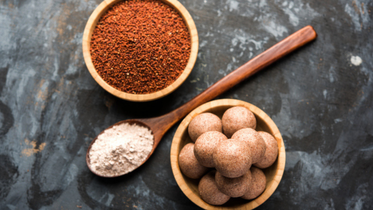
Few dishes are as honest and elemental as ragi mudde. A cornerstone of Karnataka’s food culture, these soft, steamed balls of cooked ragi flour are eaten by hand, usually alongside sambar, saaru, or spicy meat and vegetable curries. Ragi mudde digests slowly, keeps hunger at bay, and delivers lasting energy. It was the go-to meal for farmers before long hours in the fields, making it a true symbol of endurance and winter strength.
Ragi Roti
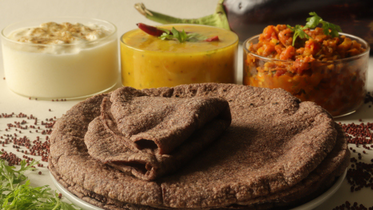
Ragi roti reflects the rustic wisdom of rural kitchens in Karnataka and parts of Telangana. The dough, mixed with chopped onions, green chillies, herbs, and sometimes grated vegetables, is hand-patted onto a hot tawa. There’s nothing refined or delicate about it—and that’s exactly why it works. Dense, earthy, and grounding, ragi roti keeps the body warm and full for hours, making it ideal for cold days.
Ragi Kali

In Tamil Nadu, ragi kali carries its own rhythm and ritual. Similar to ragi mudde in preparation, it is traditionally eaten with fiery fish curries or robust vegetable gravies. Instead of chewing, it is often swallowed in small portions, a practice believed to support digestion. Ragi kali has long been valued as a strength-building food, especially for children in their growing years and elders needing sustained nourishment.
Ragi Dosa
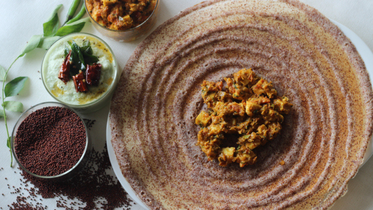
Ragi dosa brings a darker, earthier twist to the familiar dosa. Whether fermented or prepared instantly, it offers a subtle nutty flavour that pairs beautifully with coconut chutney or hearty vegetable gravies. In many households, ragi dosa quietly replaced white rice dosa as an everyday option—retaining comfort while delivering more fibre and minerals, particularly valuable during winter months.
Ragi Malt
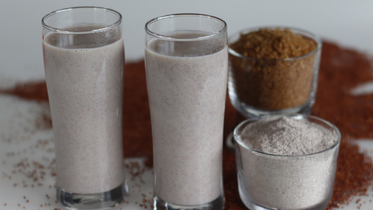
Ragi malt holds deep emotional value in many South Indian homes. Often introduced as one of the first solid foods for babies, it was carefully sprouted, processed, and cooked to ensure easy digestion and maximum nourishment. At the same time, elders relied on ragi malt as a gentle yet sustaining meal. Warm, wholesome, and soothing, it fits perfectly into winter diets that prioritise both strength and comfort.
Ragi Puttu
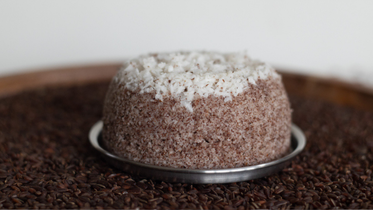
In parts of Kerala, ragi puttu emerged as a practical alternative to rice puttu, especially during periods of scarcity. Steamed with coconut and eaten with ripe bananas or kadala curry, it delivered satiety without excess. Though less commonly seen today, ragi puttu is a powerful reminder of how traditional food systems adapted intelligently, using local grains to stretch nutrition through challenging times.
Ragi Ambali
Ragi ambali—also known as ragi ganji or fermented ragi malt—is traditionally associated with summer, but its benefits extend year-round. Lightly sour and naturally fermented, it supported hydration and energy for agricultural workers. Even in winter, its fermentation aids gut health and nutrient absorption, making it a balanced option for those needing nourishment without heaviness.
Ragi Idli
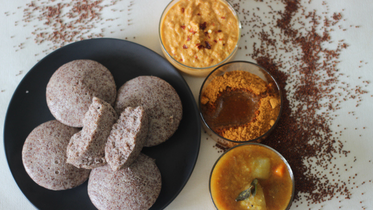
Ragi idli represents quiet culinary evolution. By replacing part or all of the rice with ragi, traditional kitchens preserved the softness and fermentation benefits of idli while enhancing its fibre and mineral profile. It’s a simple yet effective way of upgrading a beloved staple, especially during winters when digestion and sustained energy matter more.
These ragi dishes were never created to impress—they were created to sustain. Rooted in regional wisdom and seasonal needs, they continue to offer warmth, strength, and balance during traditional healthy winters. In a time when food trends change rapidly, these recipes remind us that real nourishment often comes from what has quietly endured for generations.