Pune: Neki Ka Kaam, Andekar Naam; Murder-Accused Bandu Andekar’s PMC Poll Nomination Filing Sparks Controversy
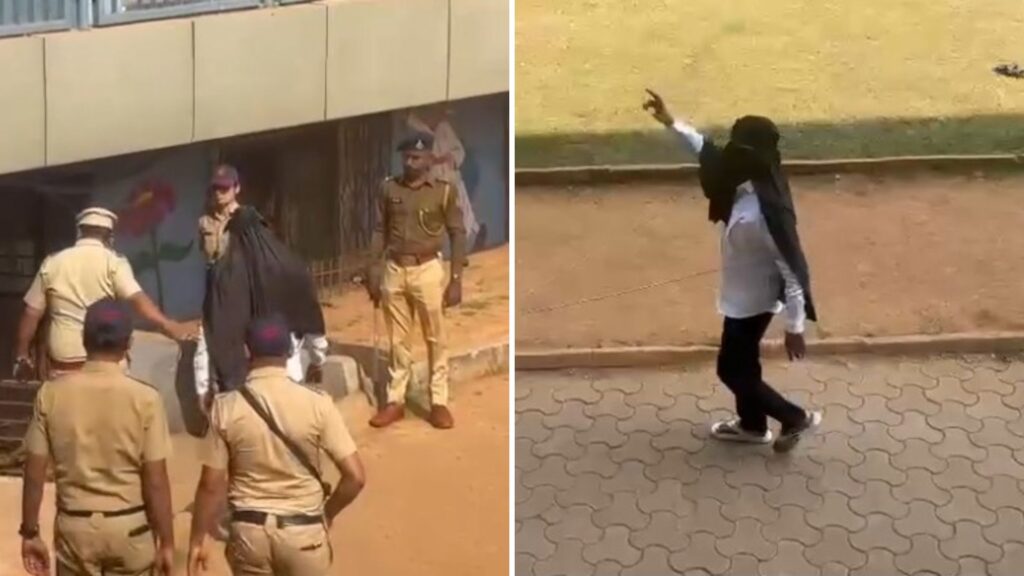
Pune: Neki Ka Kaam, Andekar Naam; Murder-Accused Bandu Andekar’s PMC Poll Nomination Filing Sparks Controversy Pune, December 27, 2025: Murder accused and alleged gangster Bandu, also known as Suryakant Ranoji Andekar, triggered a political and legal controversy on Saturday when he arrived at the Bhawani Peth ward office under police escort to file his nomination for the upcoming Pune Municipal Corporation (PMC) elections, scheduled across Maharashtra on January 15, 2026. Andekar, who is currently lodged in judicial custody, drew attention after he was heard shouting, “Neki ka kaam, Andekar ka naam,” moments before entering the ward office to complete the nomination process. The slogan, loosely translated as “A good deed, the name of Andekar,” sparked immediate outrage and debate, given his criminal background and ongoing trial. The visit was carried out following conditional permission granted by a special MCOCA court a day earlier. The court allowed Andekar, his sister-in-law Laxmi Andekar and daughter-in-law Sonali Andekar to submit their nomination papers, observing that contesting elections is a constitutional right. However, the court had clearly directed that the accused must not raise slogans, address supporters, or hold rallies during the escorted visit. Andekar’s public chant may now invite scrutiny over whether court conditions were violated. Bandu Andekar, along with his family members, is accused in the murder of 22-year-old Ayush Komkar, who was shot dead in Nana Peth on September 5, 2024. Ayush was Andekar’s grandson, and police have linked the killing to a long-standing family feud. Ayush’s father, Ganesh Komkar, is an accused in the earlier murder of former NCP corporator Vanraj Andekar, Bandu Andekar’s son. A total of 18 accused are currently in custody in the Komkar murder case. With nomination filings closing on December 30, Saturday’s incident has intensified discussions on the limits of democratic rights for undertrial accused and the ethical implications of their participation in electoral politics.
Pune, December 27, 2025: Murder accused and alleged gangster Bandu, also known as Suryakant Ranoji Andekar, triggered a political and legal controversy on Saturday when he arrived at the Bhawani Peth ward office under police escort to file his nomination for the upcoming Pune Municipal Corporation (PMC) elections, scheduled across Maharashtra on January 15, 2026.
Andekar, who is currently lodged in judicial custody, drew attention after he was heard shouting, “Neki ka kaam, Andekar ka naam,” moments before entering the ward office to complete the nomination process. The slogan, loosely translated as “A good deed, the name of Andekar,” sparked immediate outrage and debate, given his criminal background and ongoing trial.
The visit was carried out following conditional permission granted by a special MCOCA court a day earlier. The court allowed Andekar, his sister-in-law Laxmi Andekar and daughter-in-law Sonali Andekar to submit their nomination papers, observing that contesting elections is a constitutional right. However, the court had clearly directed that the accused must not raise slogans, address supporters, or hold rallies during the escorted visit. Andekar’s public chant may now invite scrutiny over whether court conditions were violated.

Bandu Andekar, along with his family members, is accused in the murder of 22-year-old Ayush Komkar, who was shot dead in Nana Peth on September 5, 2024. Ayush was Andekar’s grandson, and police have linked the killing to a long-standing family feud. Ayush’s father, Ganesh Komkar, is an accused in the earlier murder of former NCP corporator Vanraj Andekar, Bandu Andekar’s son. A total of 18 accused are currently in custody in the Komkar murder case.
With nomination filings closing on December 30, Saturday’s incident has intensified discussions on the limits of democratic rights for undertrial accused and the ethical implications of their participation in electoral politics.