Heart Emojis, “I love you” Messages to Teacher; Pune School Girl’s Obsessive Behaviour Triggers Alarm
Heart Emojis, “I love you” Messages to Teacher; Pune School Girl’s Obsessive Behaviour Triggers Alarm
Incident involving a minor student raises urgent questions on adolescent mental health, online exposure, and the need for structured counselling in schools
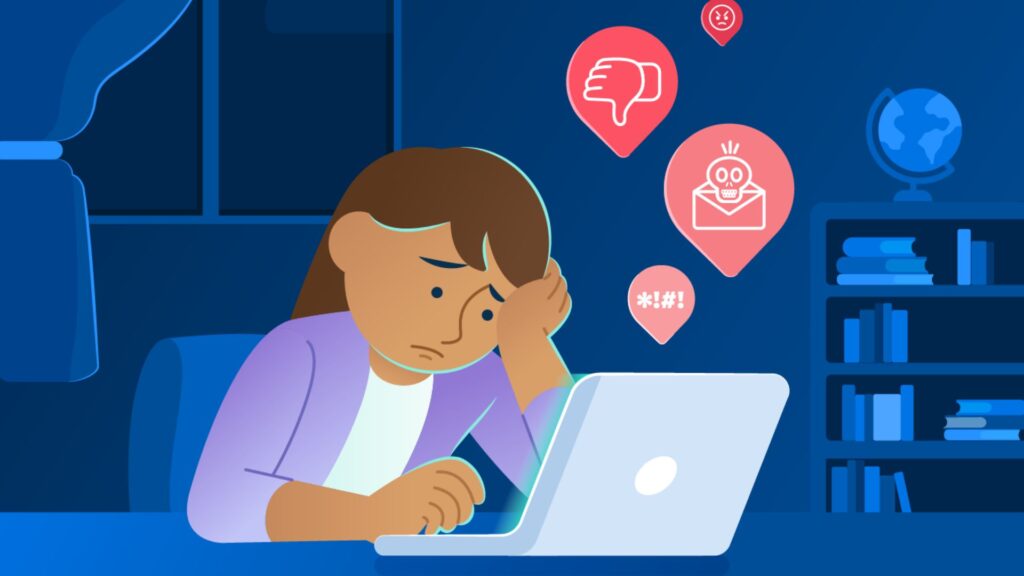
A disturbing incident at a reputed school in Pune has brought the spotlight back on adolescent mental health and the fragile boundaries that define teacher–student relationships. A minor girl studying in Class 9 allegedly sent repeated “I love you” messages to her teacher, carved the teacher’s name on her hand with a blade, and threatened suicide if her feelings were not accepted.
According to information available, the episode unfolded over several days after the teacher began receiving frequent personal messages from the student. These messages reportedly expressed emotional dependency, jealousy, and distress if the teacher interacted with others. Initially, the teacher chose to ignore the communication, hoping the behaviour would subside. However, the messages continued, escalating in intensity.
The situation turned serious when the student allegedly sent a photograph of her hand, showing the teacher’s name carved with a blade. She is also said to have threatened to jump from the school building if her feelings were rejected. Alarmed by the potential risk to the child’s safety, the teacher immediately informed the school administration.

Recognising the gravity of the matter, the school management acted swiftly. Instead of opting for immediate police action, the administration chose a psychological and child-sensitive approach. The student’s parents were informed, and professional counsellors were brought in to assess her mental and emotional state.
During counselling, experts reportedly observed that the behaviour stemmed from emotional confusion linked to adolescence. Counsellors indicated that hormonal changes during puberty, coupled with exposure to inappropriate online content, may have blurred the student’s understanding of attraction, affection, and healthy boundaries. The student is said to have admitted that she was unable to distinguish between emotional attraction and love.
Mental health professionals involved in the case emphasised that such incidents, while rare, underline a growing concern in urban school environments. Adolescents today are navigating complex emotional landscapes, often influenced by unrestricted internet access, social media, and a lack of structured emotional education. Without timely guidance, emotional distress can manifest in alarming ways.
Doctors and psychologists consulted in connection with the incident suggested that further evaluation may be required to rule out deeper psychological or behavioural concerns. They stressed that emotional instability, depression, family dynamics, or neurochemical imbalances can sometimes contribute to extreme reactions in adolescents.
As a precautionary step, the student has been temporarily advised not to attend regular classes. However, the school has ensured that her academic interests are protected by allowing her to appear for examinations. The focus, for now, remains on therapy, emotional regulation, and redirecting her energy towards studies, sports, and constructive activities.
The incident has sent ripples through Pune’s education community, prompting renewed discussions on the importance of in-school counselling systems, teacher training to handle sensitive situations, and active parental involvement. Experts argue that schools must go beyond academics to provide structured emotional support, especially during the vulnerable teenage years.
While a serious incident was narrowly averted due to timely intervention, it serves as a stark reminder that adolescent mental health cannot be treated as a peripheral issue. Clear communication, early counselling, and coordinated efforts between schools, parents, and professionals remain critical to preventing such crises.
Disclaimer: This report deals with sensitive issues involving minors and mental health. Details are presented responsibly to highlight the importance of counselling and preventive care, not to sensationalise the incident.