What to Teach Them: Essential Skills to Protect Children from Predatory Adults

What to Teach Them: Essential Skills to Protect Children from Predatory Adults
Parenting experts emphasize teaching resilience over rules to safeguard kids from manipulation
Every parent grapples with an uncomfortable truth: while you cannot control every adult your child encounters, you can equip them with internal defenses that provide lasting protection. According to parenting coaches, most children become vulnerable not due to oversensitivity, but because they lack fundamental skills to recognize manipulation, establish boundaries, and trust their intuition.
Core Protective Skills
Experts identify four critical competencies that shield children more effectively than any lecture, restriction, or punishment.

1. Create Fear-Free Communication
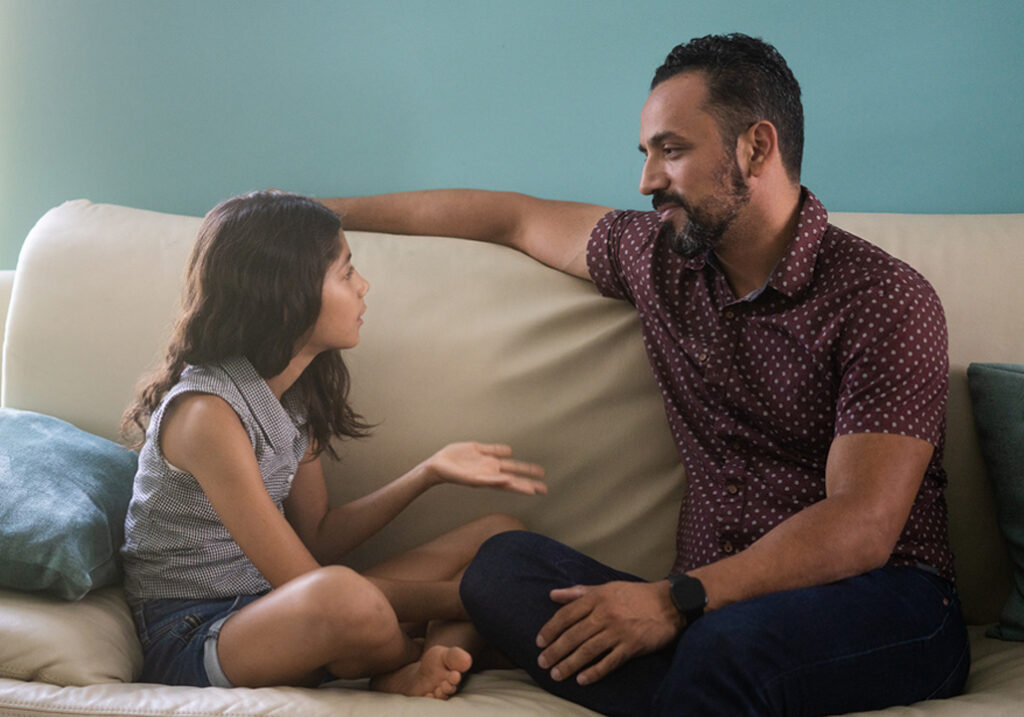
Establishing trust forms the foundation of child safety. Parents must cultivate an environment where children feel secure sharing everything without dreading consequences. When kids fear punishment, they conceal dangerous situations. Conversely, children who perceive their parents as unconditional safe spaces remain protected through transparency. Building this trust requires consistent reassurance that parents will support them regardless of circumstances.
2. Develop Emotional Vocabulary
Children equipped with language to identify and articulate their feelings gain powerful boundary-setting abilities. Those who can name emotions like discomfort, confusion, or anxiety can more effectively defend their personal limits. In contrast, children lacking emotional literacy become susceptible targets for manipulation, unable to communicate when something feels wrong.

3. Validate Gut Instincts
Many children experience uncomfortable feelings but struggle to vocalize them. Teaching kids to trust their discomfort proves essential. When something feels off, it typically is. A child who learns to honor their intuitive responses becomes significantly harder to manipulate, as they’ve developed an internal warning system that alerts them to potentially harmful situations.
4. Empower the Word “No”
Perhaps most critically, children must learn that refusal is permissible. If kids cannot say no to parents, they will struggle asserting boundaries with strangers, teachers, coaches, or peers. Practicing respectful disagreement at home builds the confidence necessary to reject inappropriate requests or uncomfortable situations outside the family sphere.

Beyond Avoidance
The ultimate goal isn’t raising children who withdraw from the world, but developing young people whose nervous systems instinctively recognize and respond to threats. Resilient children aren’t born with these capabilities, they’re systematically taught. By focusing on internal strength rather than external controls, parents prepare their children to navigate an unpredictable world with confidence and self-protection skills that last a lifetime.