From Pune through Lavhalwadi, This Maharashtra Road Feels Like Driving on Water
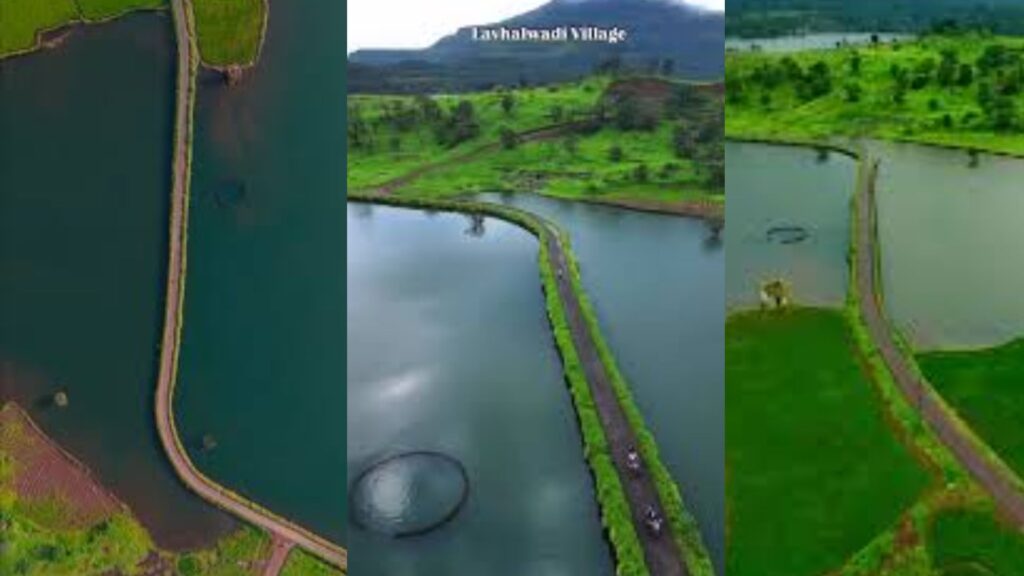
From Pune through Lavhalwadi, This Maharashtra Road Feels Like Driving on Water
At the quiet edge of Bhandardara’s backwaters, Lavhalwadi offers a rare mix of scenic drives, calm lake views and family-friendly escapes away from crowded hill stations
At the farthest edge of Arthur Lake’s backwaters near Bhandardara, a narrow stretch of road appears to slice straight through water before disappearing into the Sahyadri hills. This dramatic approach leads to Lavhalwadi, a small village in Ahmednagar district that many travellers unknowingly pass, without ever realising what they are missing.
Lavhalwadi sits at the tail end of the Bhandardara reservoir system, formed by the Wilson and Bhandardara dams. Unlike the busy dam viewpoints and commercial picnic zones nearby, the village remains quiet, green and largely untouched by mass tourism. For families and nature lovers seeking serenity without venturing too far off the map, Lavhalwadi offers a rare balance.
The landscape here changes with the seasons. During the monsoon and post-monsoon months, the hills turn lush and emerald, while Arthur Lake spreads out calmly on either side of the approach road. Mist hangs low in the mornings, and evenings bring soft reflections of the sky across the water, making even a short walk feel cinematic.

What makes Lavhalwadi especially distinctive is the famous “road between water”, a narrow causeway that cuts across the backwaters. When reservoir levels are low, two-wheelers can cross through shallow water, creating one of Maharashtra’s most striking driving visuals. Four-wheelers usually take an alternative route, but the experience remains equally scenic. Locals advise visitors to always check water levels before attempting the crossing, especially after heavy rainfall.
Despite its secluded feel, Lavhalwadi is strategically located near some of the region’s most popular outdoor attractions. Sandhan Valley, known for its deep rock gorge and adventure treks, lies barely a few kilometres away. Samrad village, a base for multiple monsoon trails, is close by, as is Ratangad Fort, an ancient hill fort offering panoramic summit views. Wilson Dam and the seasonal Umbrella Falls are also within easy driving distance, making Lavhalwadi an excellent base for slow exploration rather than rushed sightseeing.
Unlike crowded tourist hubs, the village atmosphere remains relaxed and family-friendly. Children have open spaces to explore, while senior citizens can enjoy peaceful lakeside views without steep climbs or long walks. Visitors often spend time near discreet stone bridges and quieter pockets of the backwaters, where picnic spots and gentle shoreline edges offer calm, uninterrupted moments.
Accommodation options are simple but welcoming. Travellers can find farm-style homestays and basic camping experiences hosted by local residents. Meals are typically home-cooked, featuring traditional Maharashtrian fare such as bhakri, pitla and seasonal vegetables, with fresh lake fish available when conditions permit. This simplicity is part of Lavhalwadi’s charm there are no loud markets or crowded cafés, only the sounds of wind, water and distant temple bells.
Reaching Lavhalwadi is straightforward. The village is around 165 kilometres from Mumbai via the Kasara–Igatpuri route, and roughly 175 kilometres from Pune through Sangamner. The drive itself becomes part of the experience, especially as the road narrows and the water begins to flank both sides.
The best time to visit is between September and January, when the weather is pleasant and ideal for families, picnics and photography. Monsoon months from June to September bring dramatic greenery and active waterfalls, while February to May offers clearer skies for trekking, though afternoons can be warm.
Lavhalwadi may not feature on popular travel itineraries, but that is precisely its appeal. For those willing to look beyond crowded viewpoints, this quiet village offers one of Maharashtra’s most beautiful approaches and a reminder that some of the best journeys are still hiding in plain sight.
Disclaimer: Travel conditions, water levels and road accessibility can change due to weather and local factors. Visitors are advised to check local guidance and safety updates before planning their trip.