Ghost Tapping Scam Alert: Bank Accounts Being Drained Without PIN Or OTP
Ghost Tapping Scam Alert: Bank Accounts Being Drained Without PIN Or OTP
Contactless payments are under threat as a new global fraud targets tap-to-pay users, especially travellers and people in crowded places.
A new and alarming digital scam called “Ghost Tapping” is spreading across several countries and putting millions of contactless payment users at risk. What makes this fraud extremely dangerous is that money can be deducted from your bank account without entering a PIN, without an OTP, and without even touching a payment machine in the usual way.
Tap-to-pay payments using NFC technology have become common through debit cards, credit cards, smartphones, and digital wallets. They are fast, convenient and widely trusted. But cyber experts now warn that scammers are exploiting this same convenience to steal money silently from unsuspecting users.
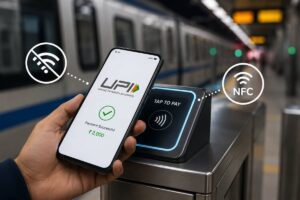
Ghost tapping works by misusing NFC (Near Field Communication) technology. Scammers carry portable NFC readers or modified smartphones that behave like payment machines. When they come close enough to a person whose phone or card has contactless payment enabled, they can trigger a transaction. In some cases, they pose as fake vendors and ask people to tap for a small amount. In other cases, they simply stand close to the victim in a crowded place and initiate a charge.

The victim does not need to insert a card, swipe it, or enter any code. A few seconds of proximity is enough. By the time the person realises something is wrong, the money is already gone.
This scam is being reported mainly in tourist-heavy regions and crowded public spaces. Airports, railway stations, metro stations, markets, festivals, international transit hubs and tourist attractions are the most vulnerable spots. Cybersecurity experts say travellers are particularly easy targets because they are often distracted, rushing between locations, or unfamiliar with local payment systems.
Another reason why ghost tapping is difficult to detect is that transactions usually involve small amounts. Victims may not immediately notice the deduction. Many only discover it later while checking their bank statements or app history.
Although contactless payments use encryption and are generally safer than card swiping, misuse becomes easier in crowded environments where people cannot monitor their surroundings closely. Experts stress that the technology itself is not unsafe, but careless usage creates risk.
There are simple precautions that can significantly reduce the danger. NFC should be switched off on smartphones when not in use. It should only be turned on at the moment of payment and switched off immediately after. This single habit can block most ghost tapping attempts.
Using RFID-blocking wallets or sleeves for debit and credit cards adds another layer of protection. These prevent unauthorized NFC readers from accessing card signals. Such wallets are inexpensive and highly effective.
Bank alerts must always be enabled. Instant transaction notifications help detect suspicious activity immediately. If any unknown charge appears, the bank should be informed without delay.
People should avoid tapping payments at unfamiliar stalls or machines that look suspicious. If a payment terminal feels unusual or rushed, it is safer to refuse and use another method.
It is also advisable to keep daily transaction limits low and activate spending caps for contactless payments wherever possible. This reduces potential losses even if fraud occurs.
Cybersecurity experts emphasize that awareness is more important than fear. Ghost tapping does not mean contactless payments should be abandoned. It simply means users must handle them responsibly, especially while travelling or visiting crowded locations.
As tap-to-pay becomes more popular, scammers are finding smarter ways to exploit human distraction rather than breaking systems directly. The ghost tapping scam is a reminder that convenience must always be balanced with caution.
Technology makes life easier, but safety still depends on human alertness.
Disclaimer: This article is for general awareness and information only. Readers are advised to consult their banks or financial institutions for official guidelines and protection measures related to digital payments and fraud prevention.